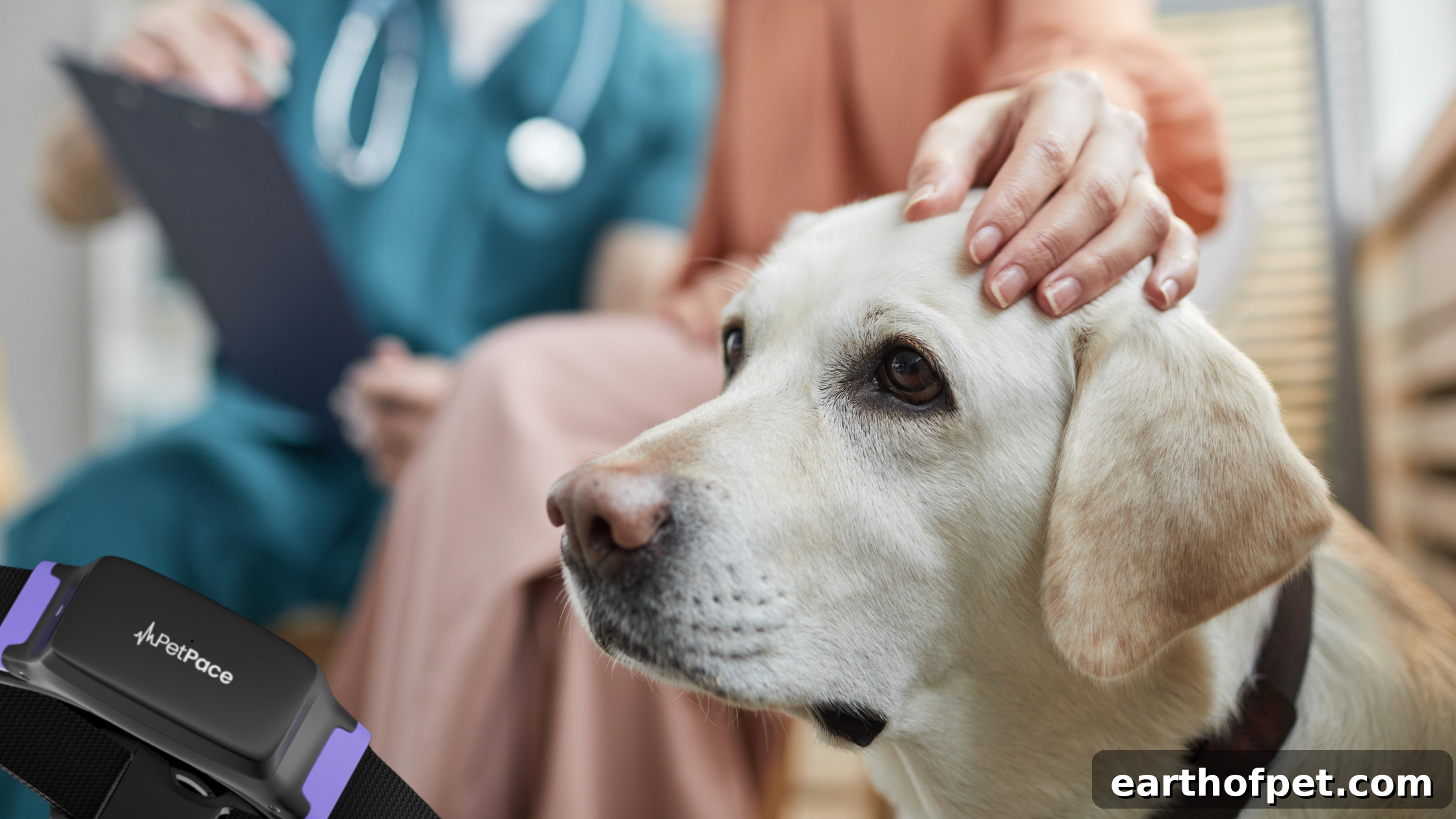
Our dogs fill our lives with companionship and joy, and caring for their health is one of the most important responsibilities of pet ownership. Dogs can develop a range of health problems, many of which can be managed or caught early with attentive care. Below we outline common canine health issues, practical steps you can take at home, and sensible advice on what to offer a dog that isn’t feeling well.
Common Health Problems in Dogs
- Digestive Issues:
Diarrhea, vomiting and upset stomachs are frequent in dogs. These signs can be caused by sudden changes in diet, eating inappropriate items, food sensitivities, infections or parasites. Short-term digestive upsets often resolve with supportive care, but persistent or severe symptoms require veterinary assessment.
- Skin Allergies and Irritations:
Skin problems—from itching and redness to rashes and hot spots—are commonly driven by environmental allergens, flea bites or food sensitivities. Early identification of the trigger and appropriate treatment, which may include topical care, allergen management and veterinary guidance, significantly improves comfort.
- Joint and Mobility Issues:
Arthritis and other degenerative joint diseases are common, particularly in older or large-breed dogs. Maintaining a healthy weight, providing low-impact exercise, using supportive bedding, and discussing joint supplements or prescription options with your veterinarian can help preserve mobility and quality of life.
- Dental Disease:
Periodontal disease, tartar buildup and tooth decay affect many dogs and can lead to pain and systemic health issues if untreated. Regular dental care—daily or frequent brushing where possible, dental chews designed to reduce plaque, and periodic professional cleanings—helps prevent oral disease.
- Ear Infections:
Dogs with floppy or hairy ear canals are particularly prone to infections. Routine ear checks, gentle cleaning when advised by your veterinarian, and prompt treatment of discoloration, odor, scratching or head shaking decrease the chance of chronic problems.
How can I treat my sick dog at home?
Minor illnesses can sometimes be managed at home, but veterinary guidance is essential whenever you are unsure or if symptoms are severe. The following supportive measures can help while you monitor your pet:
- Provide a Comfortable, Quiet Space:
Set up a warm, low-stress area where your dog can rest undisturbed. Limit strenuous activity and avoid sudden changes to their routine while they recover.
- Keep Your Dog Hydrated:
Offer fresh water frequently in small amounts. For animals reluctant to drink, cooling or slightly flavored water can encourage intake. If dehydration is suspected—dry gums, sunken eyes, reduced skin elasticity—contact your veterinarian right away.
- Offer a Bland, Easy-to-Digest Diet:
Short-term feeding of a simple diet, such as plain cooked white rice with boiled, skinless chicken, can soothe an upset stomach and make meals more attractive. Use bland diets only for brief periods and return to a balanced commercial diet once symptoms improve or as directed by a vet.
- Watch Closely and Record Symptoms:
Note changes in appetite, bowel movements, breathing, behavior, and energy levels. Keeping a brief log of symptoms and their progression helps your veterinarian make accurate recommendations during an exam or consultation.
- Follow Veterinary Instructions for Medications:
Give prescribed medications exactly as directed. Never give human medications or over-the-counter remedies intended for people without explicit veterinary approval, as many are toxic to dogs.
What can you give a dog that is not feeling well?
When a dog feels unwell, the goal is to provide gentle support and comfort. Appropriate options include:
- Bland Food:
Small portions of plain cooked rice and boiled lean chicken or plain canned pumpkin (not pie filling) may be recommended for short-term digestive upset. Avoid fatty, spicy or unfamiliar foods until your dog is fully recovered.
- Hydration Support:
Fresh water should always be available. In some cases, your veterinarian may advise electrolyte solutions formulated for pets. Avoid human sports drinks or unapproved supplements unless instructed.
- Comfort Measures:
Soft bedding, a familiar blanket or favorite toy can reduce stress. Gentle reassurance and a calm environment support recovery alongside physical care.
PetPace: Advancing Continuous Health Monitoring
Early detection makes a meaningful difference in pet care. Smart wearable devices developed for dogs can help track changes in vital signs and behavior so owners and veterinarians can respond sooner. PetPace is an example of a vet-developed smart collar designed to monitor several physiologic markers and activity patterns continuously.
Beyond basic location tracking, advanced collars that record temperature, pulse, respiratory rate, heart rate variability, activity and posture provide a broader picture of your dog’s health. Regular monitoring can reveal subtle shifts in condition that might otherwise go unnoticed, allowing for timely assessment and care.
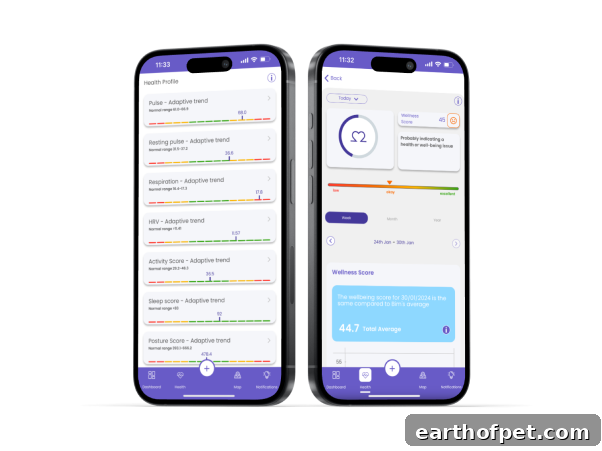
When health data is available from a reliable device, it can support remote consultations and help veterinarians make more informed decisions. Some systems also include indicators designed to highlight potential pain or distress, and integrated GPS features enhance safety.
Conclusion
Being attentive to your dog’s behavior, maintaining routine veterinary care, and using practical at-home measures for mild illness all contribute to better health outcomes. When in doubt—if symptoms are severe, sudden, persistent or your pet seems in pain—seek veterinary care promptly. Continuous monitoring tools, combined with professional guidance, can help keep your dog healthier and give you greater confidence in responding to their needs.