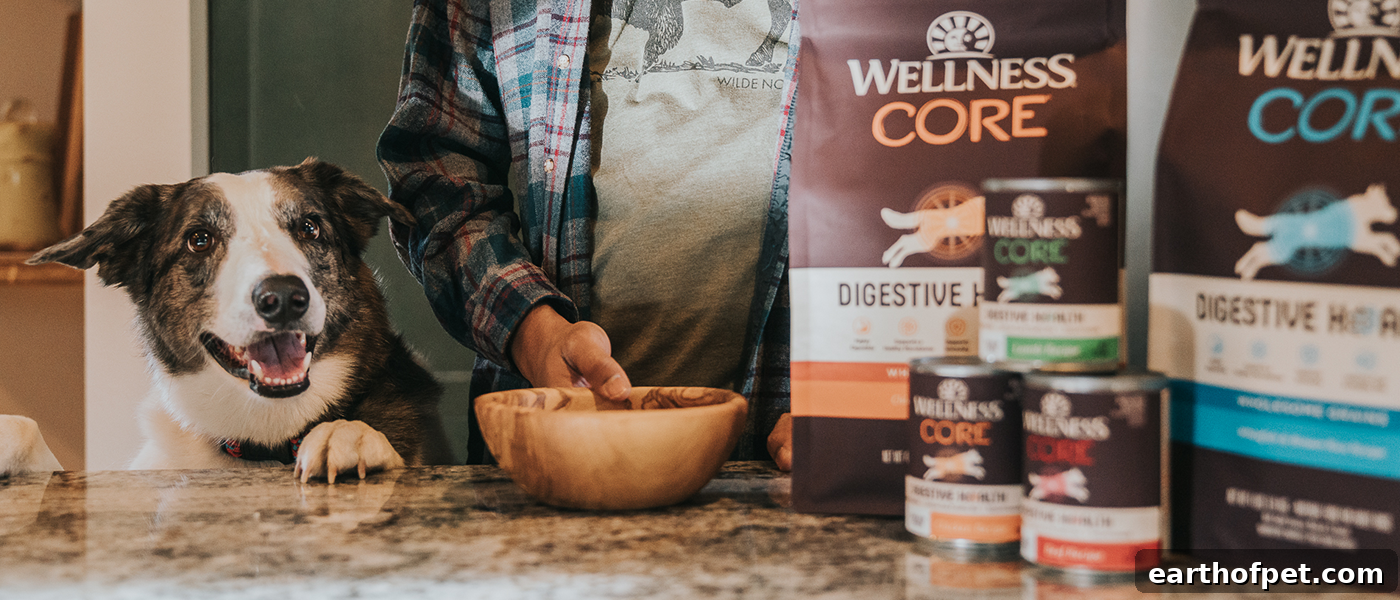
Dental health is a vital part of your pet’s overall wellbeing. Dogs use their mouths for eating, drinking, playing, and exploring, so maintaining healthy gums is essential to prevent pain, bad breath, and more serious health issues.
Below are three practical ways to support healthy dog gums, clear descriptions of what healthy versus unhealthy gums look like, and signs that indicate your dog may need a veterinary dental exam.
Three ways to support healthy dog gums
Like people, dogs benefit from a consistent oral care routine. The most effective approach combines regular professional dental cleanings, consistent toothbrushing, and daily dental chews or safe chew toys. Together these steps reduce plaque and tartar, soothe gums, and help you spot problems early.
1. Schedule regular professional dental cleanings
Frequency: once or twice a year
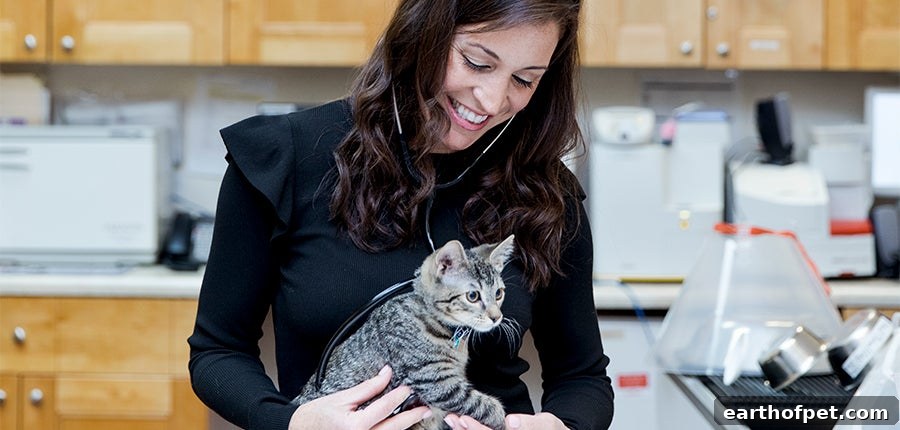
Routine professional cleanings allow a veterinarian or trained pet dental hygienist to remove tartar and plaque in areas you can’t reach at home and to identify early signs of dental disease. These visits often include a full oral exam and, when necessary, X-rays to check tooth roots and jawbone health.
During a professional cleaning, the team will typically assess for:
- Inflamed or receding gums
- Plaque and tartar build-up above and below the gum line
- Lumps, cuts, or raised spots inside the mouth
- Cracks, fractures, or other tooth damage
- Jaw and tooth-root health via dental X-rays
Some breeds are prone to dental problems and may need cleanings twice a year. For most dogs, however, an annual dental exam combined with home care is sufficient unless extractions or fillings are required. Although professional cleanings can be an investment, they are one of the best ways to protect your dog’s oral health and comfort.
2. Brush your dog’s teeth
Frequency: daily, but at least once a week
Plaque can begin forming on a dog’s teeth within 24 hours. Brushing daily helps prevent plaque from hardening into tartar and gives you a regular chance to inspect your pet’s mouth for debris, swelling, or injuries.
Establishing a familiar brushing routine can make the process easier and less stressful for you and your dog. While many dogs resist at first, most learn to tolerate brushing and some even enjoy the attention.
Essential supplies for brushing your dog’s teeth include:
- Dog-specific toothpaste. Human toothpaste can contain ingredients harmful to dogs, such as xylitol and fluoride. Use toothpaste specially formulated for dogs—flavors like peanut butter or beef often make brushing more appealing.
- Dog-friendly toothbrushes. Brushes designed for canine mouths have angled handles and soft bristles to reach all areas comfortably and safely.
If brushing feels challenging, try these steps:
- Build a routine. Spend time each day handling your dog’s muzzle, lips, and teeth so they become comfortable with the sensations.
- Familiarize your dog with the tools. Let them sniff and lick the toothpaste and toothbrush before you start so the items feel less threatening.
- Start slowly. Begin with finger brushes or dental wipes and gradually progress to a full toothbrush. Slow, positive steps help prevent fear or resistance.
3. Give your dog dental treats and toys
Frequency: daily
Dental chews, specialized chew toys, oral sprays, and water additives can reduce plaque and tartar between brushings. Chew toys also satisfy a dog’s natural need to gnaw, providing mental stimulation and helping to keep teeth clean.
If daily brushing is not feasible, a veterinarian-recommended dental chew can be a helpful supplement. Some dental chews are designed with grooves and textures that reach back teeth, scrape away plaque, and massage gums. Look for products accepted by reputable dental organizations as evidence of their effectiveness.
Healthy dog gums vs. unhealthy dog gums: what to look for
Recognizing the difference between healthy and unhealthy gums helps you decide when to consult your veterinarian. Regular checks make it easier to spot changes that indicate dental disease or other health problems.
Signs of healthy gums and teeth include both color and texture:
- Gum color: Most dogs should have pink gums, typically ranging between bubble-gum and salmon tones. Some breeds have naturally pigmented or darker gums; in those cases, watch for changes rather than relying on color alone.
- Gum texture: Healthy gums are smooth, moist, and fit snugly around each tooth without swelling, lumps, or rippling.
- Tooth appearance: Teeth should be clean and mostly white, without significant yellowing, brown spots, or visible plaque and tartar.
- Tooth integrity: Teeth should be solid and intact, without chips, cracks, or jagged edges.
Be concerned and see your vet if you notice:
- Lumps, cuts, raised areas, or bleeding in the mouth
- Gums that are overly pale, very bright red, swollen, or inflamed
- Dry, scaly, sticky, or unusually discolored gums
- Cracked, chipped, loose, or broken teeth
Because some pigmentation is normal in certain dogs, pay attention to your pet’s usual oral appearance and report any sudden changes to your veterinarian. Early action can prevent discomfort and more serious dental disease.
Conclusion
A consistent oral care routine benefits your dog’s comfort and overall health. Support healthy dog gums by scheduling regular professional dental cleanings, brushing your dog’s teeth frequently, and offering veterinarian-approved dental chews and safe chew toys. Regular checks at home help you spot issues early so your dog can enjoy a healthier mouth and a happier life.