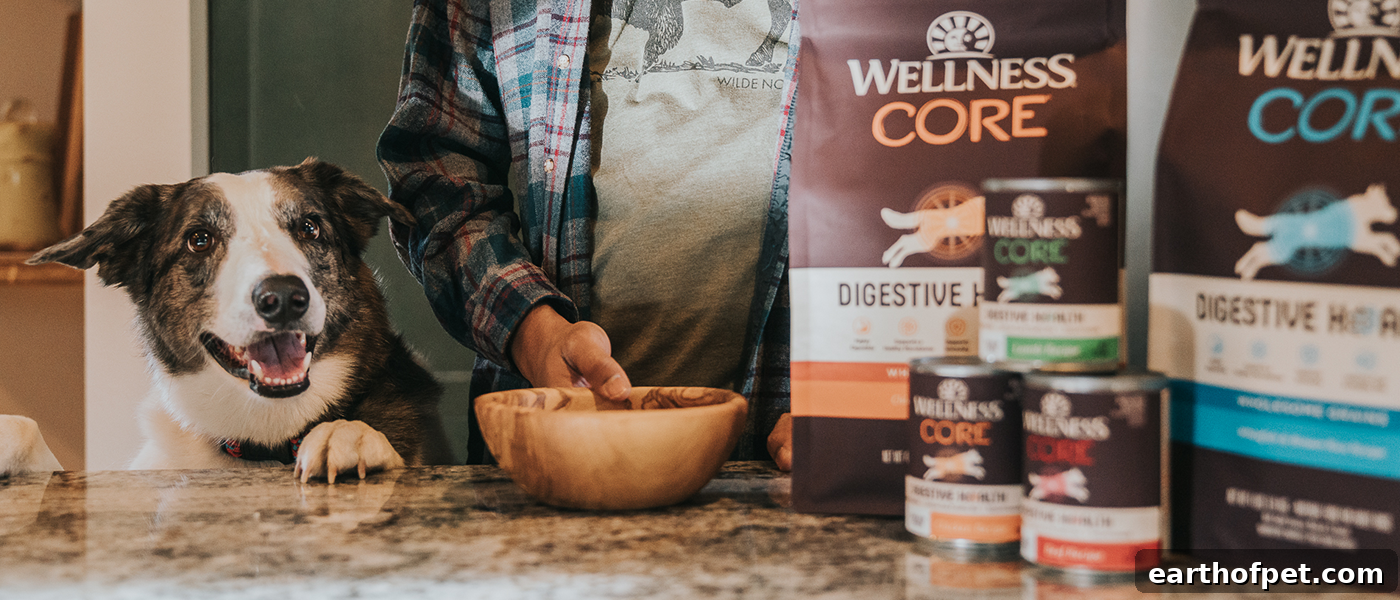
Itchy skin is a common sign that a dog may have a food allergy or a food sensitivity. Symptoms often include constant scratching, biting at a specific area, rubbing the rear end on the ground (“butt-scooting”), and persistent irritation. Choosing a dog food with a single animal protein and a limited list of ingredients can help identify the trigger and reduce ongoing skin problems.
Itchy Skin: Identifying the Allergy
Dogs can react to many things besides what they eat. Seasonal inhalants such as pollen, dust, and mold are frequent causes of skin irritation, especially during spring and summer. Parasites like fleas are another common trigger — just one flea bite can be enough to spark a severe allergic reaction in sensitive pets.
Itchiness and skin inflammation may also point to more serious underlying health issues. Always consult your veterinarian first to determine the cause and rule out infections, endocrine disorders, or other medical conditions. If a food allergy or sensitivity is suspected, your veterinarian will recommend a medical and dietary plan tailored to your dog’s needs.
Dog Food Allergy or Food Sensitivity?
Food-related immune reactions occur when the immune system mistakenly labels a protein as harmful and produces antibodies against it. This kind of inappropriate immune response is what veterinary professionals call a food allergy. In contrast, a food intolerance or sensitivity usually causes temporary digestive upset without engaging the immune system.
Allergic reactions can persist even after the offending ingredient is removed, because the immune system needs time to return to normal. A food sensitivity often produces more short-lived gastrointestinal symptoms. Either condition can appear at any age but commonly becomes noticeable after six months of age, with most affected dogs first showing symptoms after their first or second year.
Typical signs and symptoms of a food allergy or intolerance
- Persistent itching, especially around the face and muzzle, causing frequent pawing at the snout.
- Recurrent ear problems such as ear-scratching, head shaking, and ear infections.
- Hot spots on the feet or between the toes.
- Redness or swelling around the anal area.
- Digestive issues including vomiting, diarrhea, bloating, nausea, or decreased appetite.
Team Up With Your Veterinarian
If you notice these signs or any other unusual symptoms, contact your veterinarian. They understand your dog’s health history and can help determine whether the symptoms point to a food allergy, a sensitivity, or an environmental cause. Your veterinarian may recommend diagnostic tests such as skin examinations, allergy testing, stool checks, or blood work to narrow down the cause.
Treatment often involves a combination of medical therapy and dietary management. Short-term medications such as antihistamines or anti-inflammatories can help control symptoms while you and your veterinarian identify the trigger. If a food-related cause is suspected, a carefully planned elimination or food trial will be the next step to identify the offending protein.
How to Find the Culprit Protein
A food trial is the most reliable method to identify a dietary trigger. The goal is to feed a novel protein that your dog has not had for at least the past six months. For example, if your dog currently eats chicken, remove chicken from the diet during the trial. During this period you should eliminate all sources of the suspected ingredient — that includes treats, flavored dental products, and any human food your dog might get.
Food trials require patience and strict adherence to the prescribed diet for several weeks, often eight to twelve weeks, to see clear improvement. If symptoms resolve on the trial diet, a controlled challenge with the original ingredient under veterinary supervision may confirm the diagnosis.
Identifying the Best Dog Food Protein Options for Itchy Skin
To reduce the risk of reactions and simplify diagnosis, consider diets with one identifiable animal protein and a limited ingredient list. These formulas make it easier to pinpoint problematic ingredients and are often useful for dogs with food-related skin issues.
Highly digestible diets enriched with probiotics, digestive enzymes, and prebiotic fibers can support gut health while addressing food sensitivities. When selecting a commercial diet, look for clear ingredient labeling and a single named protein source. Work with your veterinarian to choose the most appropriate formula for your dog’s age, breed, and medical condition.
- Wellness CORE Digestive Health Chicken & Brown Rice (example of a single-protein, digestible formula)
- Wellness CORE Digestive Health Whitefish & Brown Rice (alternative novel protein option)
- Wellness CORE Digestive Health Small Breed (formulated for smaller dogs with digestive support)
- Wellness CORE Digestive Health Age Advantage (for senior dogs with digestive and nutritional needs)
Working closely with your veterinarian and using a structured food trial are the most effective ways to determine whether your dog’s itchy skin is food-related. Selecting a limited-ingredient diet with a single, novel protein and supporting digestive health during the process improves the chances of a successful outcome and helps restore comfort to your pet.