Help! My dog has an ear infection.
Does your heart sink when your dog starts shaking their head or scratching at an ear?
If so, you’re not alone. Those simple signs often point to an ear infection in dogs. While the words sound small, the discomfort for your pet and the veterinary bill for you can be significant.
This article explains common causes of dog ear infections, the symptoms to look for, what you can safely do at home, and practical steps to prevent future problems.
What causes Dog Ear Infections?
Knowing the cause helps you prevent the effect.
Understanding why an ear infection develops makes it easier to prevent or reduce recurrence. Common causes include:
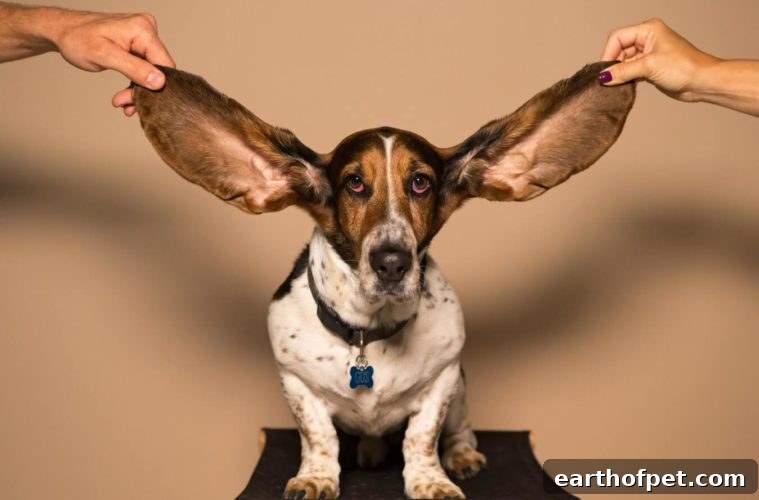
- Floppy or heavy ears: Breeds like spaniels and some retrievers have long, hairy ear flaps that limit air flow. The resulting warm, humid environment encourages bacterial or yeast growth. Keep the inner surface of the ear flap trimmed and, when possible, flip the ear back to improve ventilation.
- Foreign bodies: Grass seeds and small plant awns can enter the ear during walks through tall grass. Once lodged, they irritate the canal and often require veterinary removal. Check the ear flaps after outdoor activity and remove visible debris.
- Yeast overgrowth: Yeast naturally lives on a dog’s skin, but a damp, poorly ventilated ear can allow yeast to multiply and cause an infection. Regular, appropriate ear cleaning and improving air circulation reduce risk.
- Allergies: Food or environmental allergies can weaken the skin’s defenses and lead to repeated ear infections. Some breeds, such as Labradors, are prone to allergic skin disease that presents with recurrent otitis. Discuss diet trials and allergy control with your veterinarian.
- Parasites: Ear mites are highly irritating and can provoke inflammation and secondary infection. Routine parasite prevention and regular ear checks help catch infestations early.
- Swimming and moisture: Water trapped in the ear canal softens the skin and can promote bacterial growth. Dry ears thoroughly after swimming and consider ear-drying solutions when appropriate.
- Underlying skin disorders: Conditions that increase oil and debris on the skin can encourage infection. Dietary fatty acids and consistent ear hygiene often help manage these issues.
Dog Ear Infection Symptoms
Early recognition of symptoms leads to earlier treatment and better outcomes. Left untreated, an external ear infection can progress deeper into the ear and, in severe cases, affect the middle or inner ear where treatment becomes more complex.
Common signs that a dog may have an ear infection include:
- Repeated head shaking, rubbing the ear, or scooting across the floor
- An unpleasant or strong odor from the ear
- Pain when the ear or head is touched
- Redness, swelling, or a narrowed opening at the ear canal
- Thick, brown, yellow, or blackish discharge
- One ear appearing different from the other
- A head tilt, loss of balance, or unusual walking behavior
- Reduced appetite, restlessness, or lethargy
If you notice any of these signs, arrange a veterinary check. Prompt assessment prevents escalation and identifies the underlying cause.
How to Treat a Dog’s Ear Infection at Home
Basic home care can support recovery but is not a substitute for veterinary assessment. Keeping the ear canal clean with a veterinarian-recommended ear-cleaning solution reduces debris and the environment that pathogens thrive in.
However, if the ear is painful, there is notable discharge, bleeding, or your dog shows a head tilt or loss of balance, seek veterinary care immediately. A full examination, including otoscopic inspection of the ear canal, is often needed to identify foreign bodies, deeper infection, or other causes.
Never try to probe the ear canal with cotton swabs or sharp objects. Also, avoid using over-the-counter medications or home remedies without veterinary guidance, as these can worsen the problem. If your dog is in pain, the vet may provide pain relief or anti-inflammatory medication to make a proper examination possible.
In short: clean gently with approved products, but see your veterinarian for diagnosis and targeted treatment.
Preventing Ear Infections
Consistent care and early detection are the best strategies to prevent ear infections in dogs. Practical prevention tips include:
- Weekly sniff test: Smell your dog’s ears regularly. An unpleasant odor is an early warning sign.
- Appropriate cleaning: Use only vet-approved ear cleaners. For dogs prone to infections, weekly or as-directed cleaning helps remove wax, debris, and moisture.
- Aerate floppy ears: Tie long ears back occasionally and trim excess hair from the inner flap to improve airflow.
- Manage allergies: If your dog is chronically itchy or licking, investigate and treat allergic skin disease to reduce recurring ear problems.
- Dry after swimming: Use a gentle ear-drying product after water exposure to prevent moisture buildup.
- Check for foreign bodies: Inspect ear flaps after walks in long grass and remove visible seeds or debris.
How PetPace Prevents Dog Ear Infection
A PetPace collar and similar monitoring devices can help detect early signs of discomfort or changes in behavior that may signal a developing health issue, including ear problems. Continuous tracking of activity, sleep patterns, temperature, and other vital signs can reveal unusual nighttime restlessness, reduced appetite, or fever that often accompany painful conditions like ear infections.
By highlighting subtle changes sooner, monitoring tools give owners an early alert to seek veterinary attention before an infection becomes severe. Early intervention improves treatment success and helps prevent chronic or recurring ear disease.
Understanding the causes, recognizing symptoms early, and using consistent preventive measures will reduce the chance your dog suffers repeated ear infections. When in doubt, consult your veterinarian—early diagnosis and targeted treatment are the best way to keep your dog comfortable and healthy.