Detecting dental disease in dogs early is essential to preventing progression and protecting your pet’s overall wellbeing. Less than half (44%) of Gen Z and Millennial pet parents say they could list the signs of periodontal disease to their veterinarian, even though symptoms like discoloration, broken or loose teeth, very foul breath, reduced appetite, and inflamed gums are often visible at home. Because oral health affects the rest of the body and the quality of life you share, incorporating daily dental care—such as tooth brushing or veterinarian-recommended dental chews—can help preserve your dog’s smile and support longer, healthier lives together.
Bad Breath (Halitosis)
Persistent bad breath is one of the most obvious and common signs of dental problems in dogs. A foul odor typically results from bacterial buildup in the mouth and is often a sign of plaque, tartar, or underlying infection. Occasional bad breath can be normal, but a chronic, strong smell should prompt a closer look at your dog’s oral health.
Excessive Drooling
Drooling that is heavier than usual or that represents a change from your dog’s normal behavior can signal oral discomfort. Excessive saliva production may accompany pain, swollen gums, or an oral infection and should not be ignored.
Difficulty Eating or Reluctance to Eat
If your dog hesitates to eat, drops food while chewing, or shows a preference for soft food over dry kibble, dental pain may be the cause. Oral discomfort can reduce appetite, lead to weight loss, and cause nutritional problems if left untreated. Observing your pet while they eat can reveal subtle changes that indicate a problem.
Pawing or Rubbing the Mouth
Frequent pawing at the mouth, rubbing the face on furniture, or persistent face shaking are common behavioral signs of oral discomfort. These behaviors often indicate tooth pain, gum irritation, or foreign objects lodged in the mouth and should prompt an oral inspection or veterinary visit.
Red, Swollen, or Bleeding Gums
Healthy gums are typically pink and firm. Redness, swelling, tenderness, or bleeding—especially during play or chewing—can indicate gingivitis or periodontal disease caused by plaque bacteria irritating the gum tissue. Early intervention can often reverse gingivitis before it advances into more severe periodontal disease.
Visible Plaque and Tartar
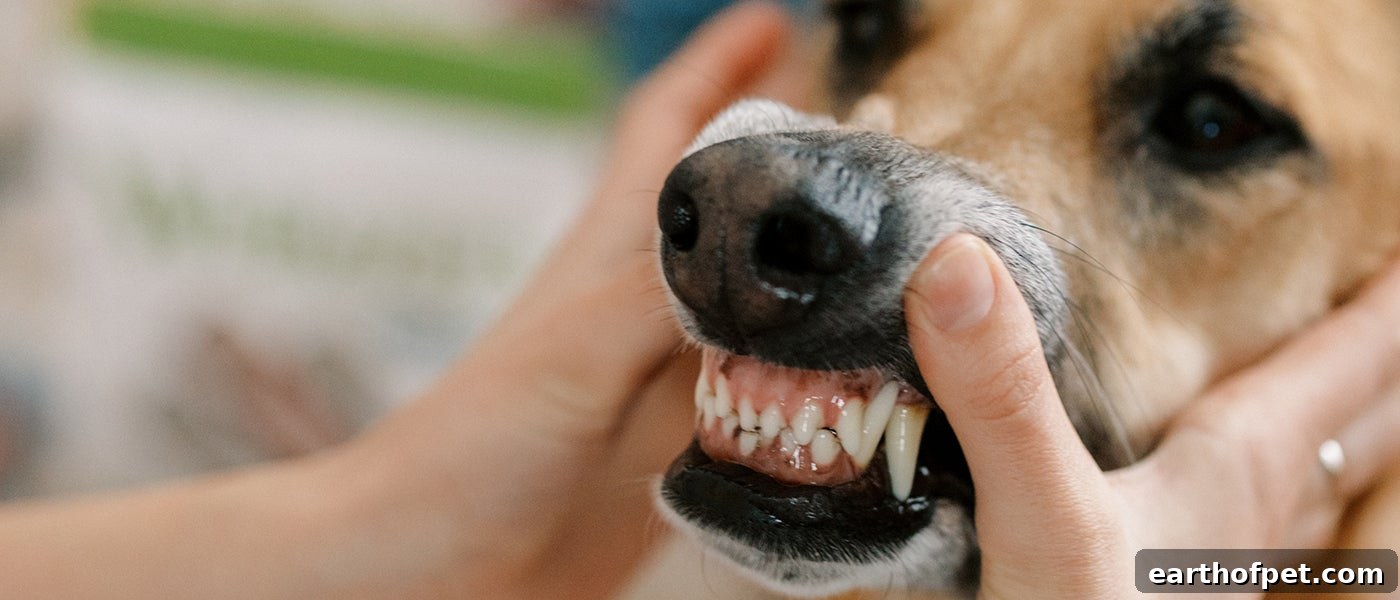
Yellow or brown buildup on the teeth is tartar, and a sticky film is plaque—both signs of inadequate dental hygiene. Periodontal disease generally begins with plaque and tartar accumulation. Over time, this can damage the structures that support the teeth, including the periodontal ligament and bone, leading to pain and tooth loss.
Loose or Missing Teeth
Loose or missing teeth are clear indicators of advanced dental disease. As periodontal disease progresses, it can erode the tissues and bone that anchor teeth, causing mobility or tooth loss and often producing significant pain for the dog.
Facial Swelling or Abscesses
Infections at the root of a tooth can form abscesses—painful pockets of pus that may cause noticeable swelling on the face. These infections can allow bacteria to enter the bloodstream, potentially affecting organs such as the heart, liver, and kidneys, which is why dental infections should be treated promptly.
Behavioral Changes
Dental pain often shows up as changes in behavior: increased irritability, withdrawal, decreased activity, or vocalizing (whining or whimpering). Dogs that once enjoyed play or interaction may become reluctant if they are experiencing ongoing oral discomfort.
Prevention and Next Steps
Regular at-home dental care is a key part of overall health. Daily tooth brushing is the gold standard for maintaining healthy gums and teeth; however, brushing a few times a week is still beneficial compared with no brushing at all. There are also veterinarian-approved dental chews and treats designed to reduce plaque and tartar when used consistently. Products that carry the Veterinary Oral Health Council (VOHC) seal have met testing standards showing dental effectiveness and can be a helpful complement to home care.
If you notice any of the signs above, schedule a veterinary exam promptly. Some dogs do not display obvious symptoms until dental disease is advanced, so regular professional dental checkups are important. Your veterinarian can perform a comprehensive oral examination, including dental X-rays and a professional cleaning under anesthesia if needed, to accurately assess oral health and recommend the appropriate treatment to relieve pain and prevent further complications.