Much like humans, pets—especially dogs—can quickly become dehydrated during warm weather or sudden heatwaves. Dehydration is the excessive loss of body water and can range from a mild, easily treated condition to a severe, life-threatening emergency. Watching for early signs and acting promptly can prevent complications and keep your dog healthy through hot seasons.
In this article we explain common symptoms of dehydration in dogs, its typical causes, how to test for it at home, and practical steps you can take to rehydrate and protect your pet. Follow these tips to reduce the risk of dehydration and know when to contact a veterinarian.
WHAT ARE THE SYMPTOMS OF DEHYDRATION TO WATCH FOR?
Water makes up about 60% of a dog’s body weight, so maintaining hydration is essential—particularly in warm, humid weather. Mild dehydration (around 5% fluid loss or less) can be hard to detect, but as fluid loss increases beyond 5% more obvious signs appear. Watch for these external and behavioral symptoms:
External symptoms of dehydration include:
- Lethargy or marked tiredness
- Weakness and reduced activity
- Dry mouth, nose, or gums
- Sunken eyes
- Loss of skin elasticity
- Collapse or fainting
- Increased heart rate
- Weak or rapid pulse
- Heavy panting
Behavioral symptoms include:
- Loss of appetite
- Low mood or apparent depression
A simple at-home check is the skin tent test: gently lift the skin over the neck or shoulder and release it. If the skin stays elevated or snaps back slowly instead of immediately returning to normal, your dog is likely dehydrated and needs fluids. If you notice several advanced signs—such as collapse, very weak pulse, or severe lethargy—seek veterinary care immediately, as severe dehydration often requires professional medical treatment.
WHAT CAUSES DEHYDRATION?
Warm weather is a common trigger, but dehydration can result from many conditions. Vomiting and diarrhea quickly accelerate fluid loss and are frequent causes. Other factors that increase dehydration risk include:
- Not drinking enough water throughout the day
- High heat combined with humidity
- Insufficient shade or shelter when outdoors
- Significant bleeding from injury
- Medical issues that increase urination (for example certain kidney conditions or diabetes)
WHAT CAN YOU DO IF YOU THINK YOUR DOG IS SUFFERING FROM DEHYDRATION?
If you suspect your dog is dehydrated, many supportive measures can help at home for mild cases, but when in doubt—or if symptoms worsen—contact your veterinarian. Below are practical steps you can take safely at home and signs that require urgent professional care.
At-home care tips:
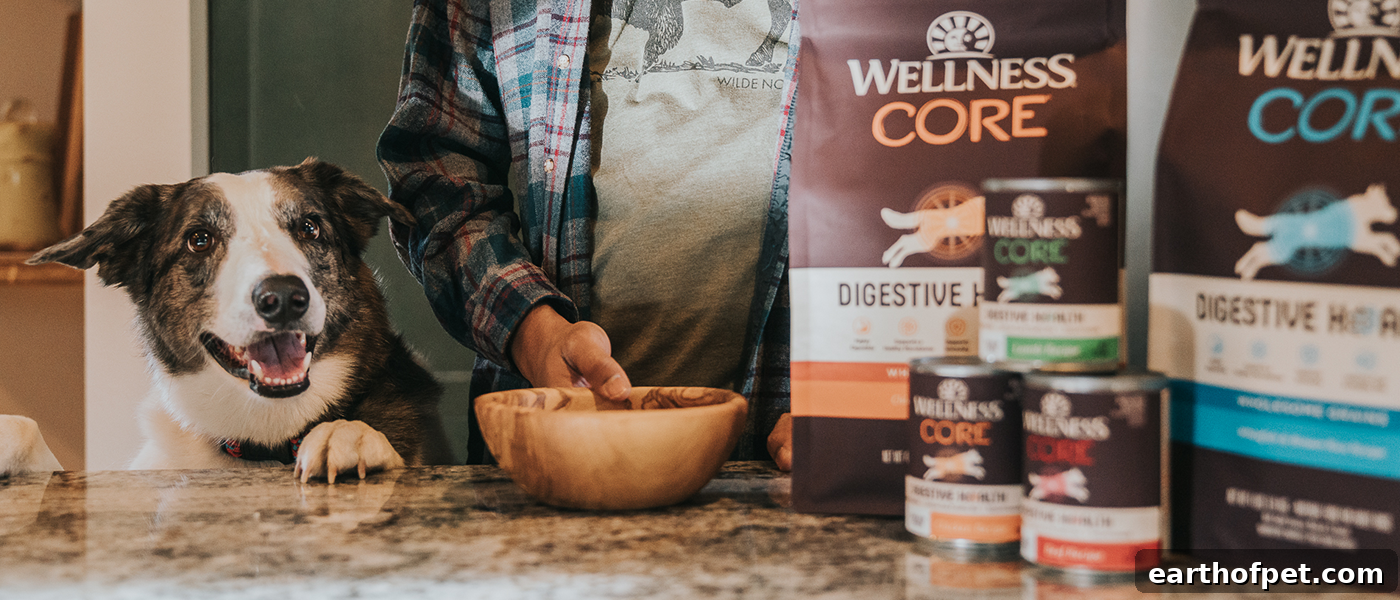
- Encourage drinking: Fresh, cool water should be available constantly. If your dog is reluctant to drink, try offering water cooled from boiled chicken (cooled to a safe temperature) or adding ice cubes to the bowl. Some dogs respond well to the extra moisture in canned or wet food—these wet options can contain up to 80% moisture and help increase daily fluid intake.
- Cool the environment: Move your dog to a shaded, ventilated, or air-conditioned area. Reducing body temperature can make them feel more comfortable and reduce additional fluid loss through panting.
- Offer fluids slowly: If your dog is severely dehydrated, rapid forced drinking can cause complications. For serious cases or if your pet appears very weak or collapsed, take them to a veterinarian immediately—intravenous or subcutaneous fluids may be required.
PROACTIVE HYDRATION SUPPORT:
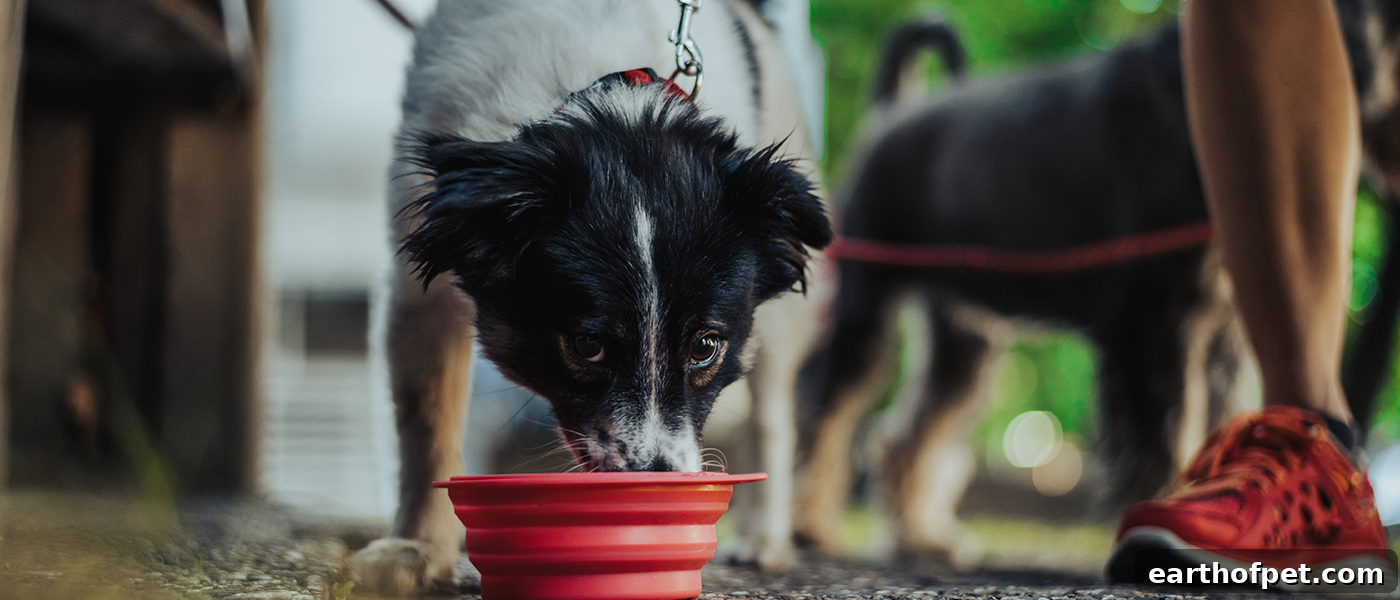
Taking proactive steps before heat becomes a problem helps prevent dehydration. Consider the following easy routines to keep your dog well hydrated year-round:
- Provide multiple water stations: Place extra bowls around the house and yard so water is always accessible. Adding a few ice cubes can both chill the water and encourage drinking.
- Feed wet food regularly: Integrating wet or canned food into meals increases moisture intake and is especially helpful for dogs that drink little water.
- Bring water on walks: Even short outings can cause fluid loss. Carry a collapsible bowl and a bottle of water to offer regular sips during exercise or travel.
- Offer hydrating treats: Fresh slices of watermelon, apple (without seeds), and cucumber are safe, low-calorie snacks that contain water and can boost hydration when given in moderation.
By recognizing early signs, addressing underlying causes, and offering consistent access to fluids and cooling measures, you can significantly reduce your dog’s risk of dehydration. When symptoms appear severe or you are unsure of the best course of action, contact your veterinarian for prompt evaluation and treatment.