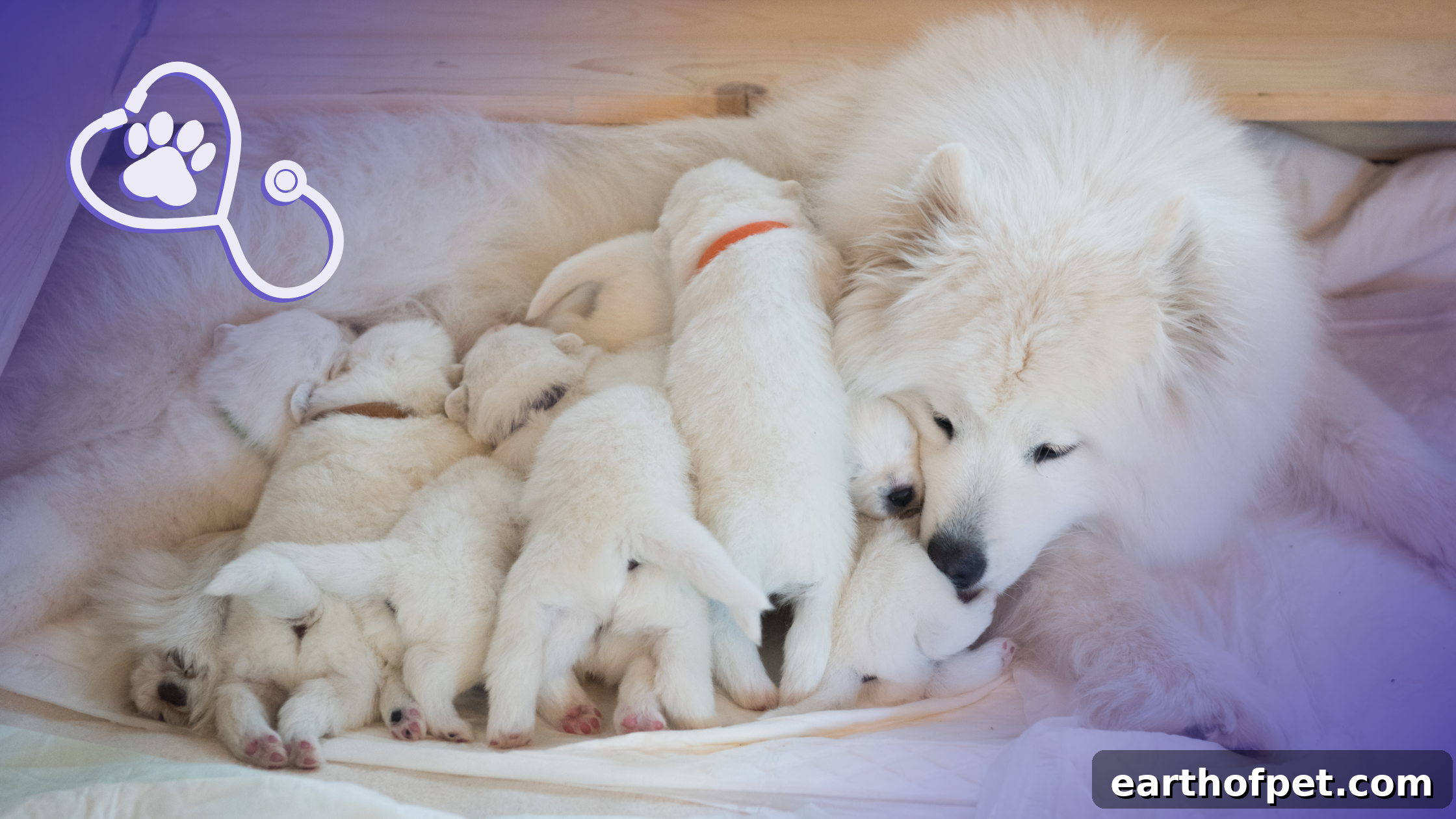
The world of dog breeding can be deeply rewarding, but it carries significant responsibility. Prioritizing the health and welfare of breeding dogs is essential for a successful and ethical breeding program. Health testing before breeding reduces the risk of passing hereditary conditions to future generations and helps breeders make informed, humane choices.

Health testing for dogs before breeding is a cornerstone of responsible breeding. These assessments clarify a dog’s genetic status, detect joint and eye disorders, screen for heart disease, and confirm overall fitness for reproduction. By relying on appropriate screening, breeders reduce the likelihood of producing puppies affected by inherited conditions and support the long-term health of the breed.
What testing is needed for breeding dogs?
Comprehensive testing is recommended prior to breeding. The exact tests vary by breed, age, and individual health history, but common and widely recommended evaluations include:
- Genetic screening: Genetic tests identify carriers of breed-specific hereditary diseases. Knowing whether a dog carries recessive mutations helps breeders plan matings that avoid producing affected offspring and preserves genetic diversity while reducing disease incidence.
- Hip and elbow dysplasia evaluation: Hip and elbow dysplasia are common in many medium to large breeds. Radiographic evaluations and certified scoring systems help determine joint health. Selecting dogs with healthy hips and elbows minimizes the risk of producing puppies with painful mobility problems.
- Eye exams: Ophthalmologic examinations detect conditions like progressive retinal atrophy (PRA), cataracts, and other inherited eye disorders. Regular eye screening by a veterinary ophthalmologist helps ensure breeders do not inadvertently perpetuate vision-related conditions.
- Cardiac screening: Many breeds are predisposed to heart disease. Auscultation, echocardiography, and other cardiac assessments can reveal structural or functional abnormalities. Screening helps ensure breeding dogs have a healthy cardiovascular system and reduces risk to offspring.
In addition to these primary tests, routine blood work, parasite control, and reproductive exams are important parts of the pre-breeding workup. The goal is to produce healthy, well-adjusted puppies while supporting the long-term welfare of the breeding animals.
Should I DNA test my dog before breeding?

Yes. DNA testing has become an essential tool in modern breeding programs. It provides clear information about genetic markers linked to inherited diseases and can confirm parentage and breed composition. For breeds with known genetic predispositions, DNA testing allows breeders to avoid matings that would produce affected pups and helps maintain healthier bloodlines over time.
When used alongside clinical evaluations and other health screenings, DNA testing contributes to a holistic approach to breeding. It is particularly valuable for identifying carriers of recessive conditions, planning responsible matings, and documenting a dog’s genetic status for future breeding decisions.
What is a dog health check?
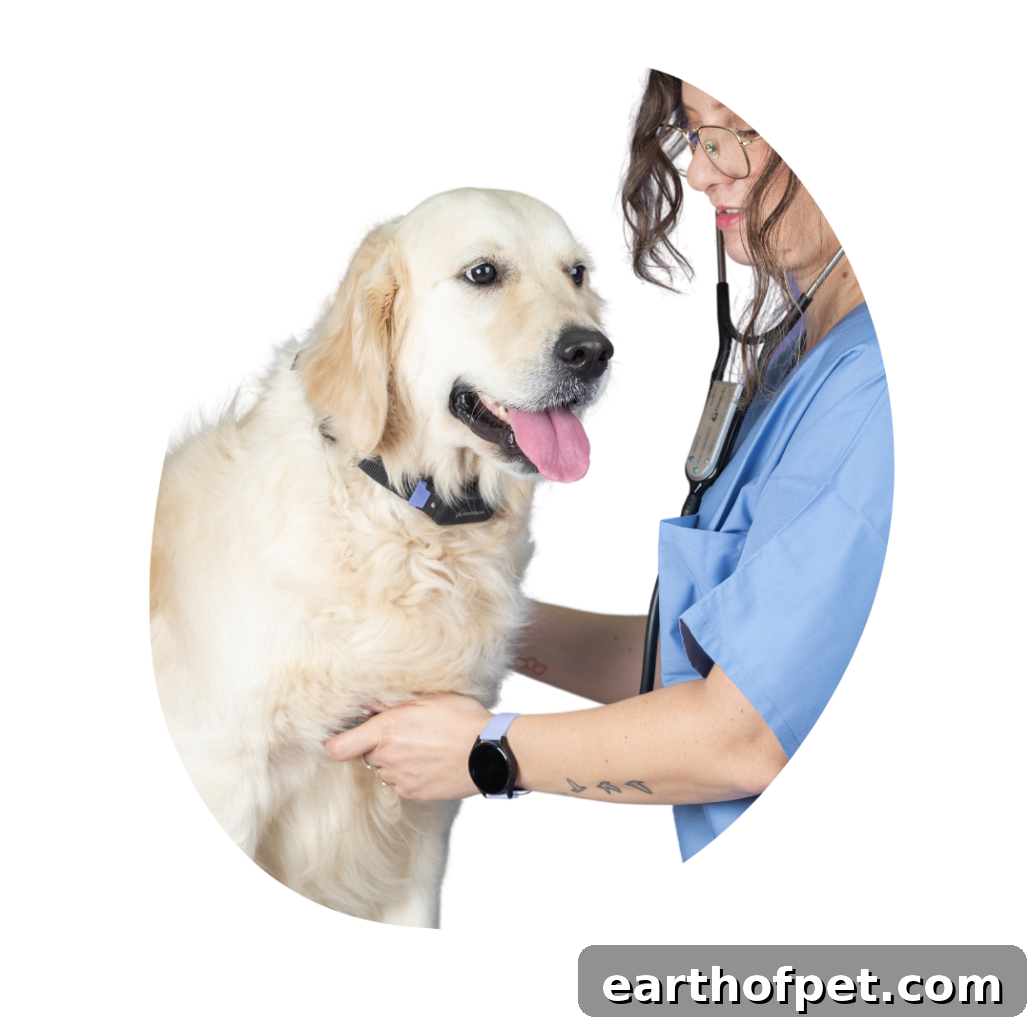
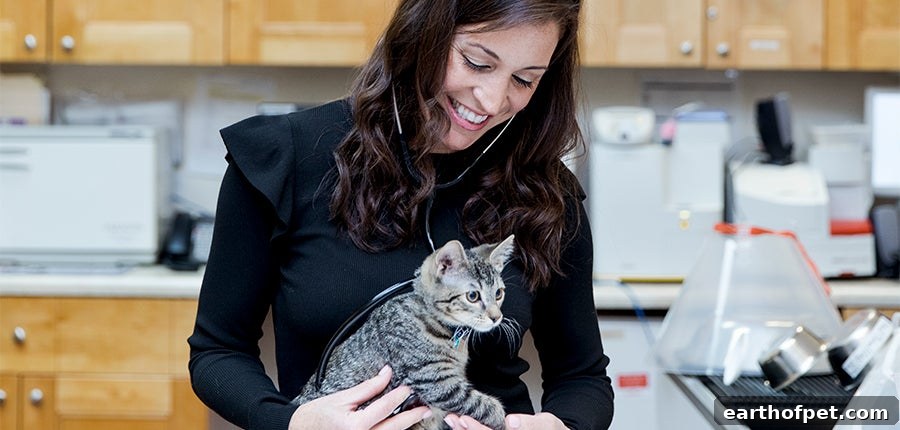
A dog health check is a comprehensive veterinary assessment of a dog’s overall condition. It typically includes a physical examination, weight and body condition evaluation, dental inspection, and may include blood tests, urinalysis, and imaging when indicated. For breeding candidates, a health check often incorporates specific reproductive and genetic screenings.
Veterinarians use health checks to identify underlying medical issues that could affect breeding, pregnancy, or the health of offspring. Regular, thorough veterinary care ensures that breeding dogs are physically and medically fit and able to provide the best possible start for their litters.
PetPace for Breeders & Pregnant Dogs
New monitoring technologies are emerging to support breeders and pregnant dogs with continuous health data. One example is an advanced monitoring system that uses algorithms to track vital signs and detect changes during pregnancy. These systems can offer real-time insights into a dam’s condition, notify caregivers of potential complications, and assist with timing and preparation for labor.
When used responsibly and in consultation with a veterinarian, continuous monitoring devices can complement traditional veterinary care by providing early warning signs of distress, tracking trends in body temperature and activity, and improving preparedness for delivery. Technology should augment—but not replace—professional veterinary assessment and hands-on care during pregnancy and whelping.
Conclusion
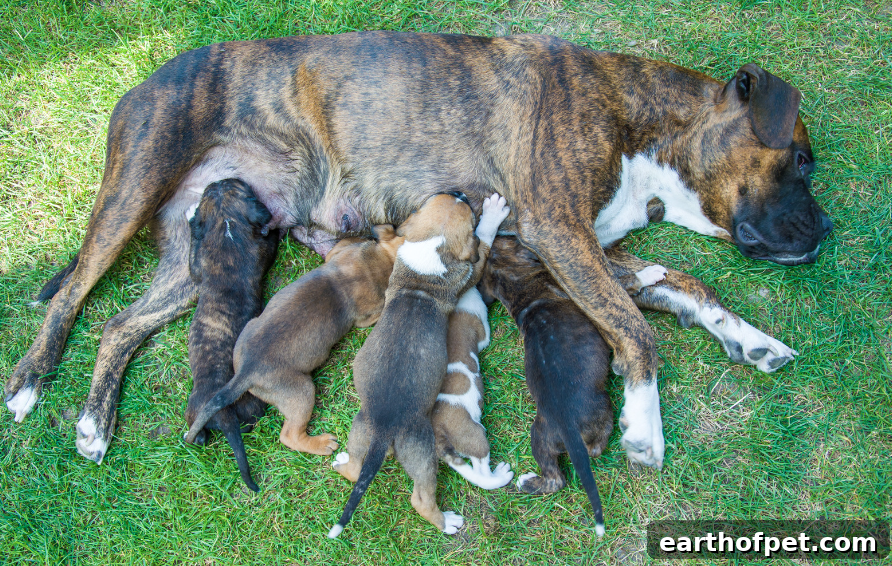
Health testing for dogs before breeding is essential for ethical, responsible breeding. A combination of genetic screening, joint evaluations, eye and cardiac exams, and comprehensive veterinary health checks gives breeders the information they need to reduce the risk of hereditary disease and support the welfare of both breeding dogs and their puppies.
Implementing a structured health-testing protocol, using DNA testing where appropriate, and integrating clinical assessments create better outcomes for the breed. Emerging monitoring tools can provide useful supplemental data during pregnancy, but they should be paired with expert veterinary care. Ultimately, careful testing and thoughtful breeding decisions lead to healthier litters and stronger, more resilient breeds over time.