If you’ve begun to notice signs of stress or anxiety in your dog, you’re not alone. Many pet owners find that casual observation isn’t enough to fully understand what their dog is experiencing. Subtle behavior changes, inconsistent symptoms, or episodes that happen when you’re away can make it hard to piece together a clear picture of your pet’s emotional state.
As awareness of canine mental health increases, more owners are looking for ways to track dog anxiety, monitor stress patterns, and support overall wellbeing. Learning how anxiety develops and how it shows up physically as well as behaviorally is an important first step toward more informed care.
Why Behavioral Observation Sometimes Isn’t Enough
Dogs communicate stress through their behavior, but those signals are not always straightforward. Panting, pacing, clinginess, withdrawal, or restlessness may indicate anxiety, but they can also be signs of excitement, environmental change, physical discomfort, or simply normal personality traits.
Situations such as house parties, holiday gatherings, loud celebrations, or an unexpected influx of guests can be particularly stressful for some dogs. Noise, unfamiliar people, disrupted routines, and overstimulation can trigger anxious responses in pets that are normally calm.
Even attentive owners can struggle with:
- Anxiety episodes that occur when they are not home
- Subtle signs that vary from day to day
- Difficulty recognizing long-term patterns
- Uncertainty about whether interventions are actually helping
Because anxiety often develops gradually, early warning signs can be easy to miss until symptoms become more obvious. In addition, some stress-related behaviors can be mistaken for stubbornness, hyperactivity, or aggression, which complicates the task of identifying the true cause.
The Physical Side of Dog Anxiety
Stress is not purely emotional; it has measurable physiological effects. When dogs experience anxiety, their bodies often show changes before behavior escalates. Paying attention to these physical signals can help differentiate temporary stress from ongoing anxiety that may need additional support.
Physiological signs that may accompany anxiety include:
- Changes in heart rate trends
- Shifts in breathing rate or effort
- Altered sleep quality or increased restlessness
- Fluctuations in activity levels
- Slower recovery after exertion
These internal signals aren’t always visible to the naked eye, but tracking them over time can provide valuable context and reveal patterns that single observations miss.
How Health Monitoring Tools Fit Into Anxiety Awareness
With growing interest in pet health technology, some owners explore wearable monitoring tools such as smart collars. These devices are designed to complement behavioral observation by continuously collecting data on activity, sleep, and physiological trends.
People typically use monitoring tools to:
- Better understand what triggers anxiety
- Track progress during training or environmental changes
- Provide clearer information to veterinarians
- Feel more informed when away from their dog
For some owners, the motivation is curiosity; for others, it’s reducing uncertainty and gaining a clearer picture of their dog’s daily experience. Monitoring devices can add objective insight, but they work best when paired with thoughtful interpretation and context.
Not All Smart Dog Collars Serve the Same Purpose
Dog wearables differ widely in focus and capability. Some specialize in GPS tracking and location safety, while others offer basic activity monitoring or owner-managed behavior logs. A smaller group of devices aims to provide broader health insight, capturing physiological patterns that can relate to stress, comfort, and overall wellness.
Understanding these differences helps owners choose tools that align with their goals, whether those goals are safety, health monitoring, or a combination of both.
Anxiety, Physical Comfort, and Hidden Pain
Anxiety and physical comfort are closely connected. Dogs experiencing chronic stress may develop muscle tension, fatigue, or general discomfort. Conversely, undetected pain or underlying medical issues can sometimes present as anxiety-like behavior.
Because dogs instinctively mask vulnerability, small changes in sleep, posture, movement, or activity levels may indicate more than emotional stress alone. Observing trends across days and weeks—not just isolated incidents—gives a fuller picture of your dog’s wellbeing and helps determine whether a veterinary evaluation is needed.
Questions to Consider Before Using Monitoring Technology
Before investing in monitoring devices, reflect on what you hope to learn and how you’ll use the information. Helpful questions include:
- What specific concerns do I want to better understand?
- Do anxiety episodes happen mainly when I’m home, when I’m away, or both?
- Would objective health data help my veterinarian make better recommendations?
- Am I most interested in location safety, health monitoring, or both?
- How comfortable am I incorporating ongoing data into my pet care routine?
There’s no single right answer; the best approach depends on your dog’s needs, your comfort level with technology, and how you intend to act on the information you receive.
Supporting Dogs With Anxiety Requires Multiple Approaches
Technology can provide valuable insight, but it should complement—not replace—foundational care strategies such as:
- Consistent daily routines
- Regular physical exercise and mental enrichment
- Behavioral training and practical environmental adjustments
- Veterinary consultation when concerns arise
- Calm, attentive caregiving at home
When combined with these basics, monitoring tools can add perspective and help you evaluate the effectiveness of interventions over time.
Moving From Guesswork Toward Understanding
For owners seeking to better understand dog anxiety, learning about available monitoring options can be a natural next step. Tools that provide ongoing insight into stress, sleep, activity, and potential discomfort may reveal patterns that are not obvious through observation alone.
Most pet parents aren’t seeking data for its own sake; they want reassurance, clarity, and the confidence to respond thoughtfully to their dog’s needs.
The PetPace Solution
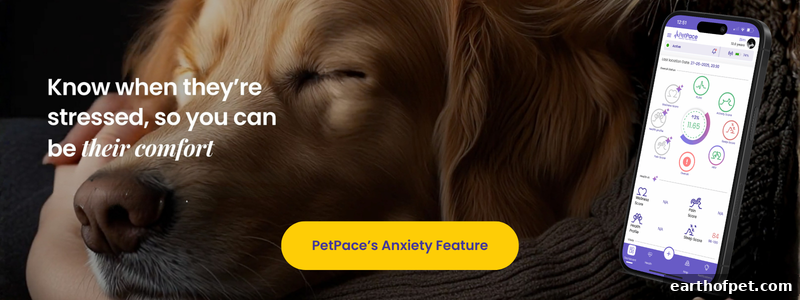
PetPace measures stress using biometric data, including heart rate variability (HRV), which is a clinically recognized indicator of stress in both animals and humans. By combining behavioral and physiological information, these systems aim to make stress detection more accessible to pet owners so they can take timely, informed action when their dog shows signs of anxiety.