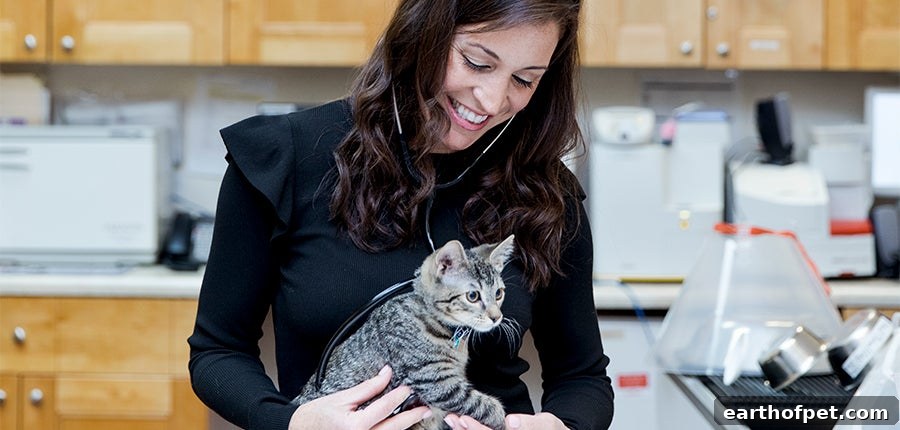
Like people, dogs and cats can catch respiratory infections that resemble the common cold. Dogs may develop illnesses such as canine influenza or tracheobronchitis (commonly called kennel cough), which often causes a persistent, harsh cough that can sound like a whoop. Cats frequently experience upper respiratory infections caused by agents like feline herpesvirus (FHV) and feline calicivirus (FCV), both of which produce symptoms similar to a human cold and can spread easily between animals in close contact.

Pet Disease Management and Monitoring Technology
Modern pet care increasingly relies on technology to monitor health and detect problems early. Devices such as GPS activity trackers, biometric collars, and smart health monitors can track changes in activity levels, heart rate, respiratory rate, and location. When used alongside regular veterinary care, these tools help owners spot subtle declines in wellbeing—reduced activity, changes to sleep patterns, or abnormal vital signs—before they become emergencies.
Typical signs of canine influenza and other canine respiratory infections include coughing, sneezing, runny or congested nose, watery eyes, lethargy, and reduced appetite. Kennel cough often presents primarily as a dry, hacking cough and is commonly spread in places where dogs gather, such as kennels, shelters, training facilities, and dog parks.
In cats, FHV commonly causes sneezing, nasal and ocular discharge, congestion, and lethargy. Feline calicivirus can produce similar signs as well as oral ulcers that make eating uncomfortable, along with eye discharge and nasal symptoms. Both are transmitted through direct contact with infected secretions or contaminated surfaces and can spread quickly in multi-cat environments.
Your Pet’s Silent Needs: Monitoring Their Health
Pets cannot tell us when they feel unwell, so proactive observation and monitoring are essential. Integrating health-tracking technologies—such as smart collars that monitor vitals and activity—into your routine can provide continuous data that may reveal early signs of illness. For example, a sudden drop in activity or appetite, increased respiratory rate, or changes in sleep patterns are signals to check your pet more closely or consult a veterinarian.

Some products combine location tracking with health monitoring in a single device. For instance, PetPace Health 2.0 offers GPS tracking alongside biometric measurements, which can help owners and veterinarians keep a closer eye on vital signs and activity trends. When selecting devices, choose reputable makers and confirm compatibility with veterinary care so recorded data can support diagnostics and treatment decisions.
Basic at-home care for mild respiratory illness focuses on comfort and supportive measures: ensure your pet has a warm, quiet place to rest, keep fresh water available to prevent dehydration, and offer palatable, nutrient-dense food to encourage eating. Using a humidifier or placing your dog or cat in a steamy bathroom for short periods can help loosen nasal and airway mucus. Keep the environment clean, reduce stress, and limit exposure to other animals while your pet recovers.
Hygiene and prevention are also important. Regular disinfection of bowls, bedding, and litter boxes, along with minimizing contact between sick and healthy animals, helps reduce spread. Vaccination can reduce the risk or severity of certain respiratory diseases; vaccines are available for some forms of canine influenza, bordetella (a common cause of kennel cough), and for feline respiratory pathogens such as FHV and FCV. Discuss an appropriate vaccination and prevention plan with your veterinarian based on your pet’s lifestyle and local disease risks.
Know when to seek veterinary attention: if your pet shows difficulty breathing, bluish gums or tongue, high fever, persistent vomiting or diarrhea, refusal to eat for more than a day, severe lethargy, or symptoms that rapidly worsen, contact your veterinarian right away. A professional exam can determine whether supportive care, medications, or diagnostics are needed and help rule out more serious conditions.
In short, caring for a pet with a respiratory infection involves attentive monitoring, supportive home care, and veterinary guidance when symptoms are severe or persistent. Combining good daily observation with modern monitoring tools and preventive measures will help keep your pet comfortable and improve early detection and treatment of respiratory illnesses.