Clean Eating for Dogs: What It Means and How to Choose the Best Food
The clean eating movement, centered on whole, minimally processed foods and identifiable ingredients, has become a popular approach for people seeking better health and more energy. That same philosophy can be adapted for pets. Clean eating for dogs emphasizes nutritious, balanced recipes made from high-quality animal proteins, wholesome carbohydrates, and natural fats, while avoiding artificial additives and unnecessary fillers.
Adopting a clean eating approach for your dog doesn’t mean replacing veterinarian guidance or ignoring your dog’s specific dietary needs. Instead, it means prioritizing foods that are simple, transparent, and formulated to support long-term health. Many pet owners report improvements in coat condition, digestion, energy levels, and overall wellbeing when they switch to cleaner diets tailored to their dog’s life stage and activity level.
Core Principles of Clean Eating for Dogs
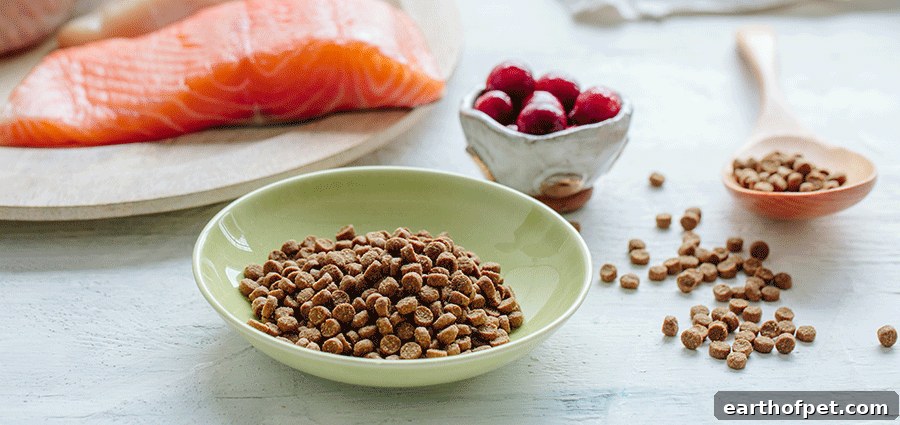
- Feed whole-food ingredients: Choose recipes that highlight real meat, vegetables, fruits, and healthy fats rather than synthetic additives or obscure fillers.
- Limit processing and artificial ingredients: Avoid foods with long ingredient lists that include artificial colors, flavors, preservatives, or unnamed “meat” by-products.
- Focus on balanced nutrition: Ensure the diet meets your dog’s nutritional requirements for protein, fat, vitamins, and minerals appropriate to age, size, and activity.
- Manage lifestyle factors: Clean eating pairs well with regular exercise, consistent sleep routines, and routine veterinary care to support overall health.
Is Clean Eating Right for Every Dog?
Clean eating can be adapted for most dogs, but it should be tailored to individual needs. Dogs with special medical conditions, allergies, or specific dietary restrictions should follow guidance from a veterinarian or a veterinary nutritionist. For many dogs, however, switching to a cleaner diet—one that avoids low-quality proteins, heavily processed grains, and long, unexplained ingredient lists—can help reduce digestive upset, improve skin and coat health, and support steady energy levels.
Always make dietary changes gradually to avoid gastrointestinal upset, and monitor your dog for any signs of intolerance or adverse reaction. If your dog has chronic issues, seek veterinary advice before making significant diet changes.
How to Choose a “Clean” Dog Food
When evaluating dog food, look beyond marketing claims and read the ingredient list carefully. The following points will help you identify clean, well-formulated options:
- Limited ingredient formulas: Foods with a concise list of thoughtfully chosen ingredients can simplify digestion and make it easier to identify potential allergens.
- Meat-first recipes: A high-quality animal protein listed as the first ingredient supports digestibility and provides essential amino acids for muscle, immune, and overall health.
- Recognizable, whole-food carbohydrates: Ingredients such as peas, chickpeas, lentils, and whole vegetables offer fiber and nutrients that are preferable to heavily processed starches like tapioca or isolated starches.
- Transparent sourcing and standards: Look for companies that disclose ingredient sources and manufacturing standards; many clean recipes use non-GMO plant ingredients and responsibly sourced proteins.
- No unnecessary fillers or artificial additives: Check labels to ensure the product excludes artificial colors, flavors, and preservatives, as well as vague fillers used to bulk up the formula.
Also consider your dog’s life stage—puppy, adult, or senior—as well as activity level and any specific health needs when selecting a product. Some clean diets are formulated for general maintenance, while others address weight management, sensitive stomachs, or limited ingredient needs.
Putting It into Practice
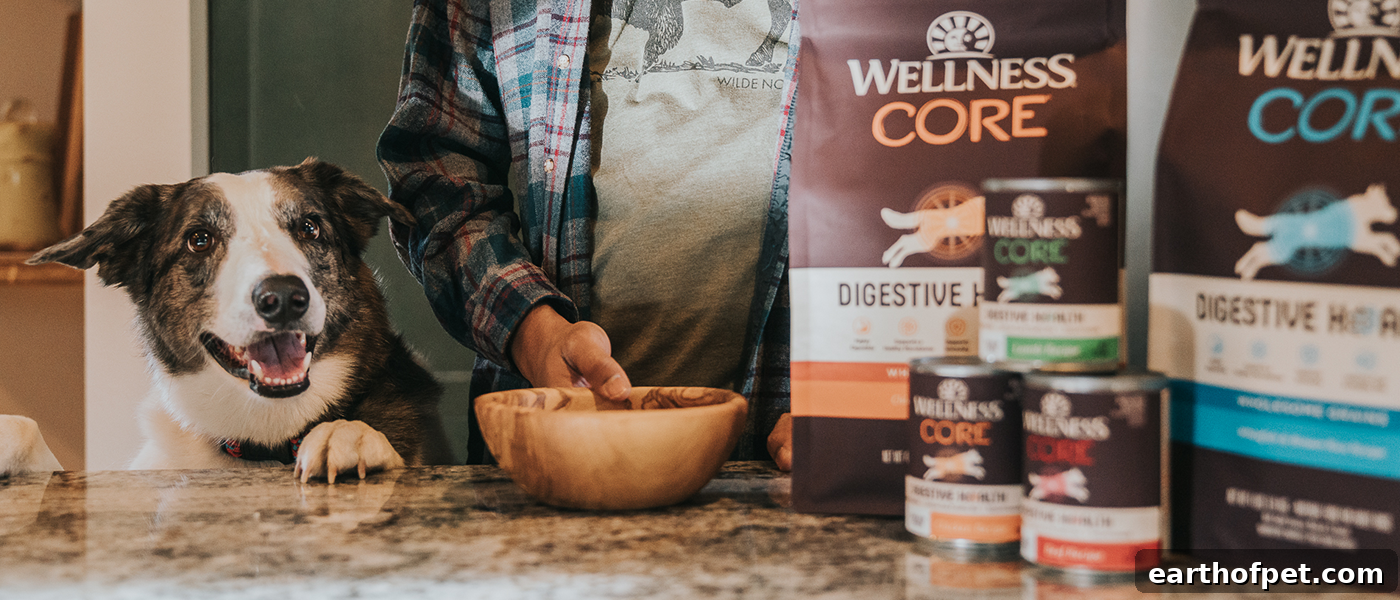
Switching to a clean dog food is a practical way to give your pet a diet that mirrors the simplicity and quality you aim for in your own meals. Start by researching brands that emphasize whole ingredients and clear sourcing, then transition gradually over several days by mixing increasing amounts of the new food with the old. Monitor weight, stool quality, skin and coat condition, and energy levels, and schedule regular checkups with your veterinarian to ensure the diet supports your dog’s health goals.
Choosing whole-food, high-protein, limited-ingredient recipes helps your dog thrive on a clean diet that supports digestion, skin and coat health, and long-term vitality—allowing them to enjoy a happier, more active life by your side.