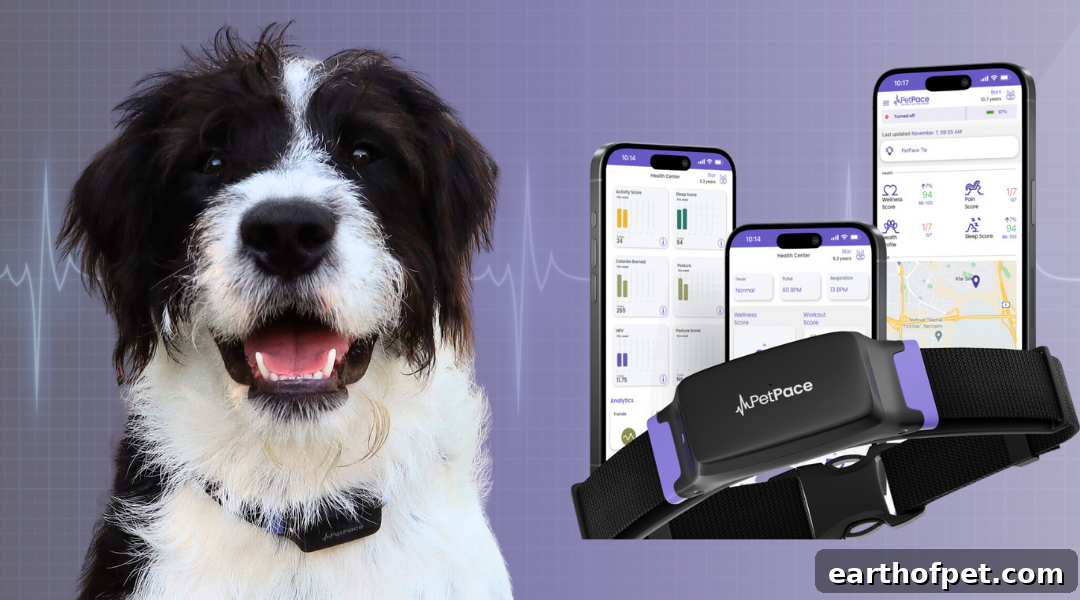
In today’s rapidly advancing pet-care landscape, keeping a close eye on your dog’s health has become both easier and more important. Modern tools for monitoring canine vital signs give owners timely, actionable information about heart rate, respiration, temperature, activity and overall wellbeing. This article explains practical ways to check your dog’s vitals at home, describes wearable heart monitor collars and other monitoring tools, and outlines what to look for when choosing a system for proactive pet health monitoring.
Whether you’re concerned about a chronic condition, managing recovery after surgery, or simply aiming to detect early signs of illness, a combination of simple at-home checks and smart monitoring devices can make a real difference in your dog’s care.
How Can I Check My Dog’s Vitals at Home?
Regularly checking your dog’s vital signs helps you spot subtle changes before they become serious. Start with basic observations: note appetite, energy level, sleep patterns, breathing effort, and bathroom habits. Combine these daily checks with occasional hands-on assessments and the use of available monitoring tools.
Simple at-home checks include:
- Listening to breathing at rest to detect rapid or labored respirations.
- Counting heartbeats or pulses during calm periods to estimate heart rate.
- Feeling gums for color and hydration (gums should be pink and moist).
- Observing temperature behavior—shivering, lethargy, or excessive panting can indicate a temperature issue.
In addition to these basic checks, many owners choose to use digital systems that provide continuous data. For guidance on setting up a home monitoring routine, see the ultimate guide to home pet monitoring.
What is a Heart Monitor Collar for Dogs?
A heart monitor collar is a wearable device designed to measure and record cardiac and other physiological metrics continuously. Unlike simple activity trackers, these collars are engineered to capture reliable heart rate data, respiratory rate, body temperature and movement patterns. They deliver trend information and alerts that can help you and your veterinarian identify changes that merit attention.
When evaluating a heart monitor collar for dogs, look for consistent measurement accuracy, comfortable non-invasive design, long battery life, clear data displays or app integration, and the ability to share data with your veterinary team. A robust system supports early detection and helps guide timely veterinary consultations.
How Can I Check My Dog’s Temperature?
Traditionally, rectal thermometers have been used to measure a dog’s temperature accurately, but they can be stressful for both the animal and the owner. Non-invasive temperature sensors incorporated into wearable collars now allow for continuous monitoring without repeated handling. Continuous temperature tracking highlights trends—fever onset, fluctuations related to activity, or hypothermia risk—that single spot checks can miss.
If you suspect your dog has a fever or low body temperature, contact your veterinarian promptly. Use wearables as a supplementary tool to provide context and trend data, not as a replacement for professional veterinary assessment when concerns arise.
Tools for Monitoring Dog’s Health
- Digital Dog Health Monitoring:
Digital monitoring platforms collect and present vital signs in real time. They can alert you to deviations from your dog’s normal ranges and compile historical data that supports medical decision-making. These systems are especially valuable for dogs with chronic illnesses or those recovering from procedures.
- Wearable Vitals Tracker for Dogs:
Wearable trackers are designed for comfort and continuous use. The best models minimize irritation and remain secure during normal activity while providing frequent or continuous data sampling. Integration with smartphone apps makes it easier to review trends, receive notifications, and export reports for veterinary review.
- Dog Vitals Monitor in the United States/Europe:
Select a device and support service that match local availability and veterinary practices. Many systems are sold and supported regionally, so consider warranty, customer service, and compatibility with your veterinarian’s telemedicine tools when choosing a monitor.
PetPace Vital Signs Tracking Collar
One example of a comprehensive wearable is the PetPace collar, which tracks heart rate, respiratory rate, temperature and activity continuously. Devices like this are intended to provide owners and veterinarians with actionable data for early symptom detection and ongoing health management. Features commonly highlighted in advanced collars include non-invasive sensors, trend reporting, alerts for abnormal values, and tools to facilitate remote communication with your veterinary team. If you are considering a specific product, review its specifications and consult your veterinarian to confirm it meets your dog’s medical and lifestyle needs.
Conclusion
Monitoring your dog’s vital signs no longer requires invasive procedures or repeated veterinary visits for baseline checks. By combining routine at-home observations with modern digital monitors and wearable collars, you can take a proactive role in your dog’s health care. Choose a device that fits your pet’s size and temperament, provides accurate and continuous data, and supports easy sharing with your veterinarian. Early detection and timely intervention lead to better outcomes and a more secure, healthier life for your canine companion.