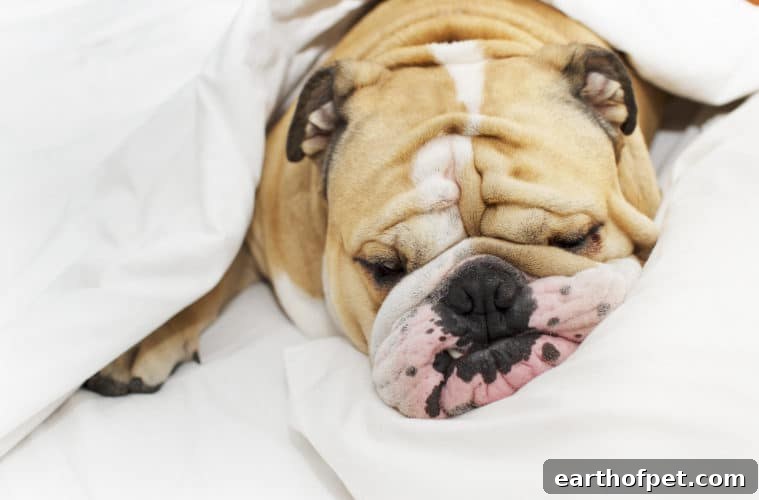
Hypothyroidism in dogs is often mistaken for normal aging, but it is a treatable medical condition and many dogs regain energy and quality of life with appropriate care. If your dog is gaining weight despite a stable diet, shedding more than usual, or seems constantly lethargic, consider that an underactive thyroid (hypothyroidism) could be the cause.
What is Hypothyroidism in Dogs?
The thyroid gland is a small, butterfly-shaped organ in the neck that produces hormones controlling metabolism and cellular activity. Think of thyroid hormone as the body’s metabolic accelerator: when levels are too low, the whole system slows down. Insufficient thyroid hormone can produce a wide range of subtle signs—weight gain, reduced stamina, changes to the skin and coat, and other symptoms that may be mistaken for aging.
What Causes Hypothyroidism in Dogs?
The most common cause—responsible for about 95% of cases—is an autoimmune process in which the dog’s immune system mistakenly attacks and damages thyroid tissue. Symptoms typically appear after a large portion of thyroid tissue (roughly three-quarters) has been destroyed and hormone production falls. The exact trigger for this immune response is not fully understood, but hypothyroidism occurs more frequently in certain breeds, including:
- Dobermans
- Old English Sheepdogs
- Miniature Schnauzers
- Golden Retrievers
- Boxers
- Cavalier King Charles Spaniels
What are the Symptoms of Hypothyroidism in Dogs?
Because hypothyroidism produces subtle and varied signs, it is often confused with natural aging. Reduced thyroid hormone slows metabolism and commonly leads to:
- Lethargy and decreased activity
- Weight gain without increased food intake
- Sensitivity to cold
- Constipation or slower digestive transit
Skin and coat changes are particularly common and can be a clear indicator of thyroid dysfunction. Watch for:
- Symmetrical hair thinning or hair loss on both sides of the body
- Excessive shedding
- Coat that fails to regrow after trimming
- Dull, brittle fur
- Recurring or chronic skin infections
- Greasy or scaly skin
How to Treat Hypothyroidism in Dogs
Treatment is straightforward and usually very effective. A combination of veterinary-prescribed thyroid hormone replacement, dietary adjustments, and careful monitoring will often restore energy and improve skin and coat health. Early diagnosis and consistent follow-up are key to a successful outcome.
Treatment and Monitoring
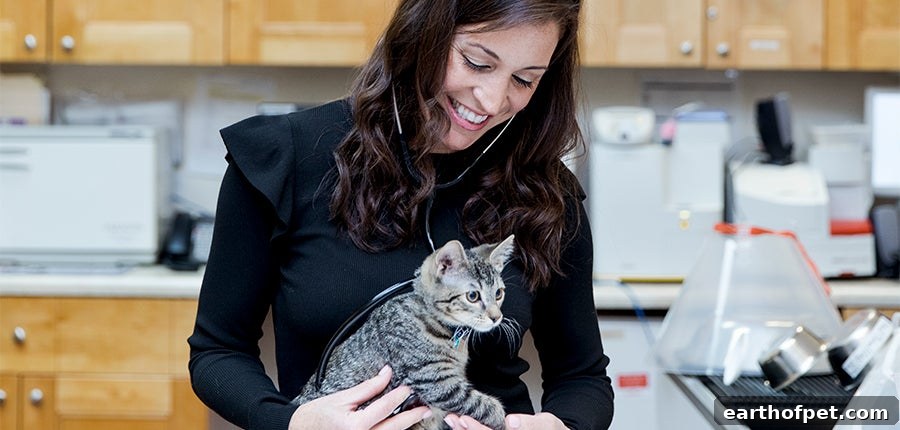
Treatment typically involves daily oral thyroid hormone replacement prescribed by your veterinarian. Improvement in energy and behavior is often seen within a few weeks, while coat and skin recovery can take several months. Because both under- and over-treatment carry risks, regular veterinary checkups and blood tests are essential to ensure the dose is appropriate for your dog.
Excessive dosing can overstimulate the metabolism, causing signs such as restlessness, rapid heart rate, and diarrhea. Monitoring also includes observing changes in activity and heart rate at home. Devices that track activity can be useful for spotting trends and alerting you and your veterinarian to when dosage adjustments may be needed.
Diet and Hypothyroidism
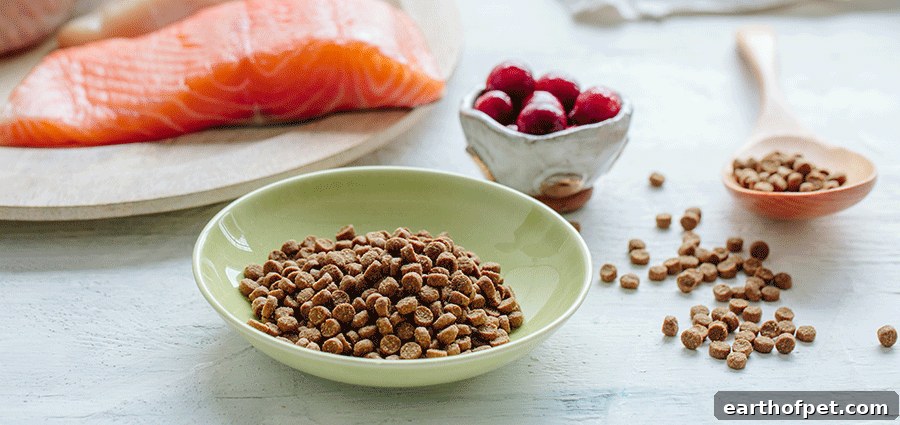
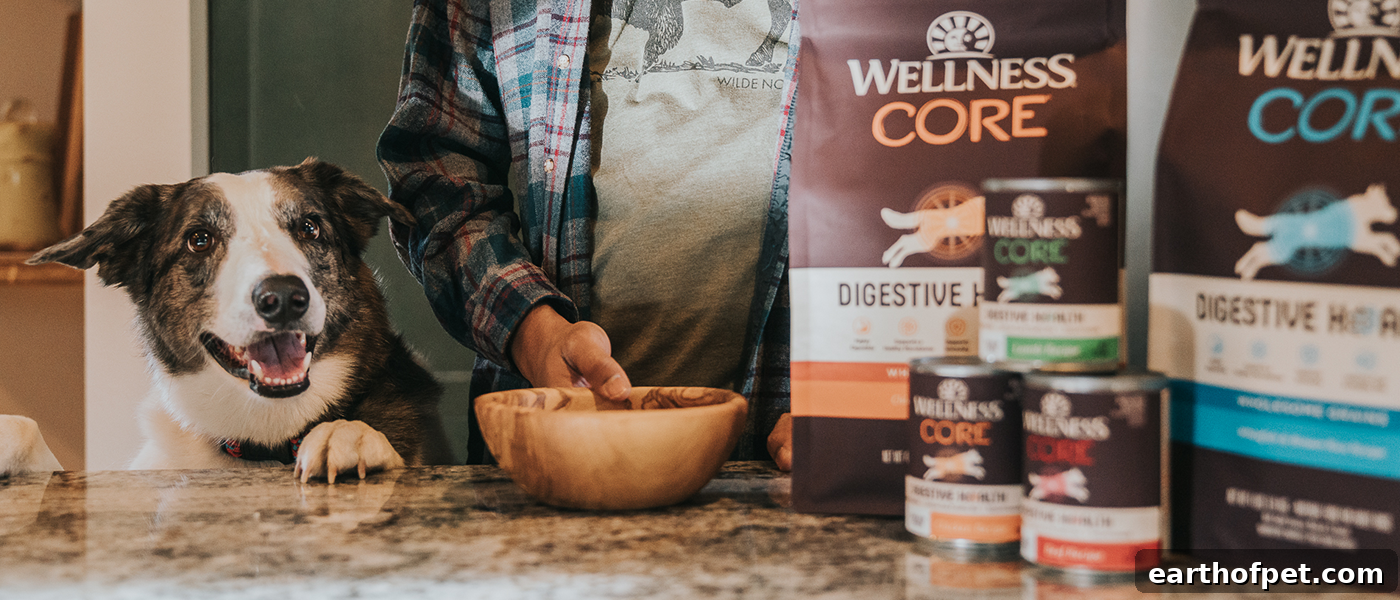
Diet can support treatment and improve general well-being. Dogs with hypothyroidism commonly gain weight, so a balanced, lower-calorie food with higher fiber can help manage weight while easing constipation. Choose high-quality dog foods without artificial additives, and discuss supplements with your veterinarian before adding them. Foods containing natural sources of iodine, such as certain sea vegetables, can provide nutrients that support thyroid function, but any dietary change should be made under veterinary guidance to avoid interfering with treatment.
The Hypothyroid Dog’s Behavior
Once thyroid levels are corrected, most dogs return to normal activity and behavior. During dose adjustment, however, they may still tire easily or be more sensitive to cold. Keeping a baseline of your dog’s normal activity can help you recognize meaningful changes later, and can guide conversations with your veterinarian about treatment adjustments.
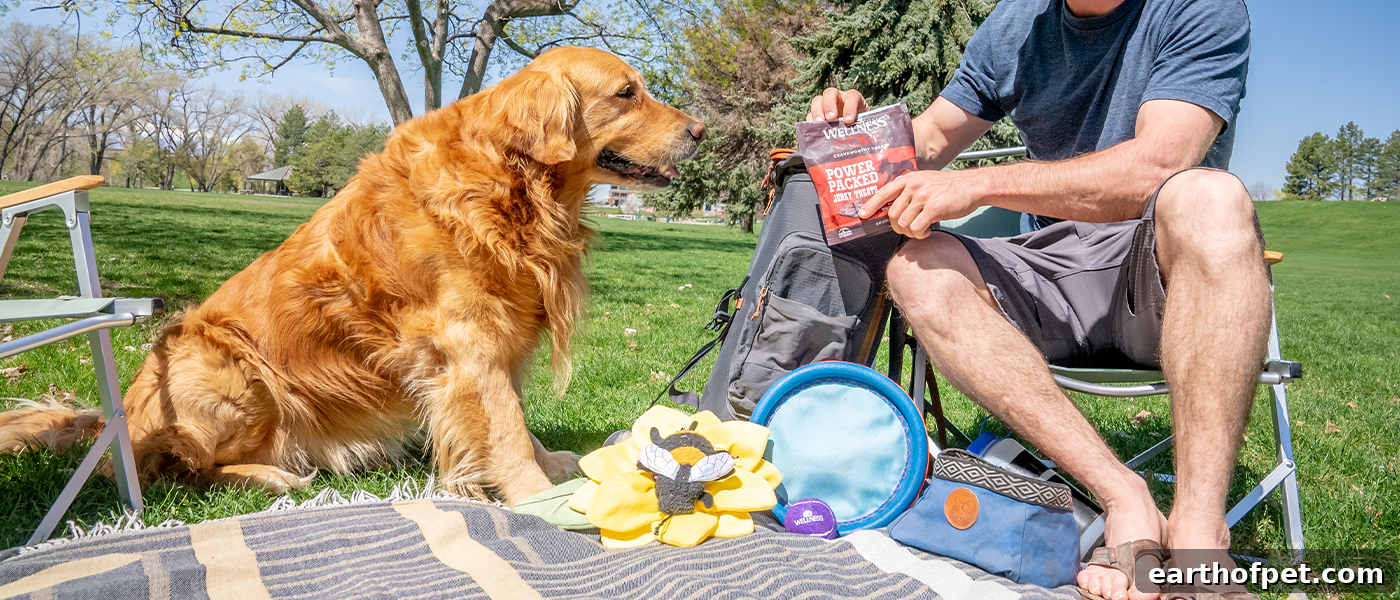
Golden Retrievers are among breeds prone to hypothyroidism, but with correct diagnosis and treatment they can lead full, active lives.
Home Remedies and Supportive Care
While medication prescribed by a veterinarian is the cornerstone of treatment, supportive measures can help your dog cope with stress and bolster overall health. Some complementary approaches suggested by holistic veterinarians include stress-relief remedies and immune-supporting supplements. Common supportive options that some owners use—always after consulting the vet—include:
- Appropriate immune-support supplements (under veterinary guidance)
- Probiotics to support digestion
- Omega-3 and omega-6 fatty acids for skin and coat health
- Antioxidant vitamins where recommended by your veterinarian
Hypothyroidism is a common condition that can mimic the signs of aging. If your dog shows unexplained weight gain, lethargy, or skin and coat problems, schedule a veterinary exam and thyroid testing. With the right diagnosis and treatment plan, many dogs recover energy, improve their coat, and return to the activities they enjoy.