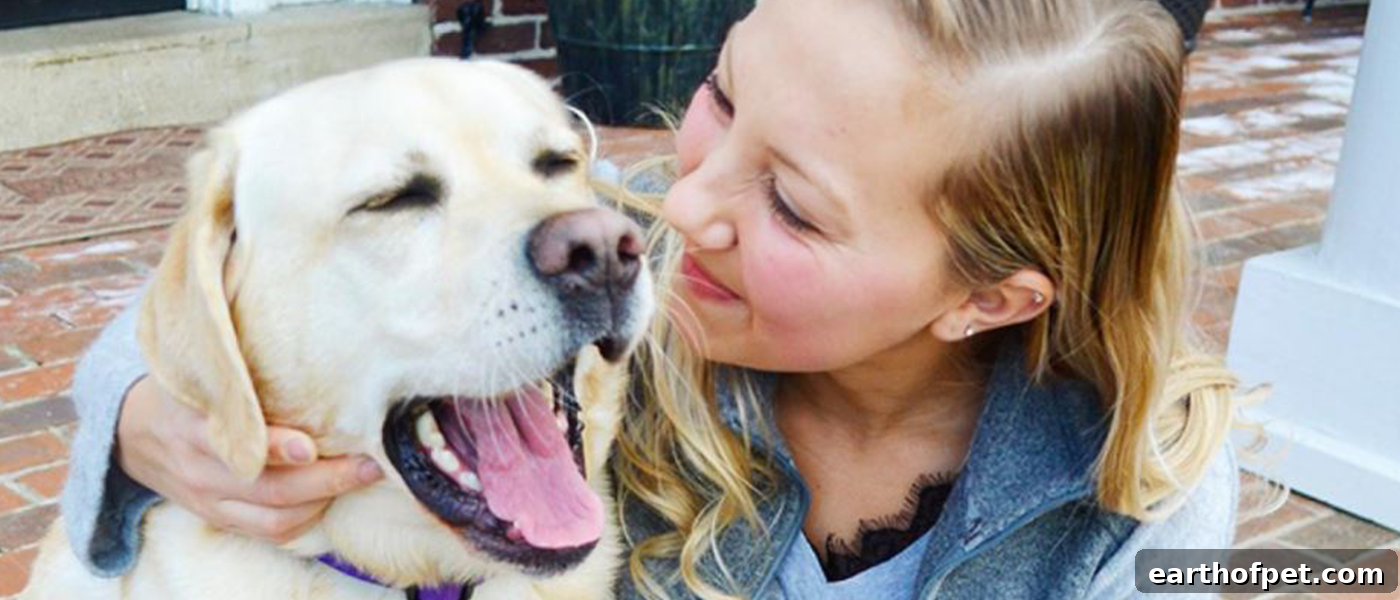
Causes of Bad Dog Breath
When your affectionate dog leans in for a face lick, a pleasant moment can quickly be interrupted by an unpleasant odor. Bad dog breath — or canine halitosis — is a common issue that many pet owners notice when their dog yawns, pants, or showers them with kisses. Understanding the typical causes of foul breath can help you take practical steps to improve your dog’s oral health and overall well-being.
1. THEIR YAWN NEARLY KNOCKS YOU UNCONSCIOUS
That powerful yawn that spreads an intense smell usually points to bacteria multiplying in the mouth. Saliva, food particles and trapped debris create an environment where bacteria thrive and produce unpleasant odors. While a sleepy dog is endearing, persistent strong-smelling yawns are a sign their mouth needs attention.
2. THEIR MORNING BREATH LASTS ALL DAY
Unlike people who brush their teeth regularly, many dogs don’t have a daily oral care routine. Morning breath can linger if plaque and tartar are present, or if the dog’s diet and habits continuously expose the mouth to odor-causing substances. Establishing consistent dental care can reduce all-day bad breath.
3. THEIR BREATH MIGHT SMELL LIKE EVERYTHING THEIR MOUTHS AND NOSES HAVE TOUCHED
Dogs explore the world with their mouths and noses, which means they often come into contact with smelly items: shoes, trash, carcasses, or other animals. Chewing, licking, and scavenging can transfer odors and bacteria into the mouth. Combined with normal bacterial activity, these encounters can contribute to strong, unpleasant breath.
4. THEY LIVE WITH YOU AND YOU CAN’T ESCAPE THE FUNK
Since your dog shares your living space, persistent bad breath can feel inescapable. Close contact like cuddling, sleeping on the bed, or face-to-face greetings increases your exposure to whatever is causing the odor. If the smell is constant, it may be coming from an ongoing oral health issue that needs to be addressed rather than a one-time incident.
5. THEY LOVE TO GIVE KISSES
Most dogs show affection by licking. While those kisses are heartwarming, they also bring you up close to whatever scent is coming from your dog’s mouth. If you notice your dog’s breath is frequently offensive, consider limiting face licking until you improve their oral hygiene, and reward greeting behavior that keeps your face out of the direct line of breath.
6. BAD BREATH CAN INDICATE DENTAL DISEASE
One of the most common and serious causes of persistent halitosis in dogs is dental disease. Plaque and tartar build-up lead to gingivitis and periodontal disease, which create pockets where bacteria flourish. Oral infections, loose or broken teeth, and abscesses also produce strong odors. Dental problems can affect a dog’s comfort and health beyond the mouth, so they warrant timely attention.
Maintaining your dog’s oral health reduces the risk of bad breath and more serious complications. Daily toothbrushing with a pet-safe toothpaste is the most effective at-home practice, but many owners find it challenging to establish. If brushing is difficult, regular dental chews formulated to help reduce plaque, or toys designed to clean teeth, can be useful supplements. For puppies, look for chews and products designed for young mouths and appropriate chewing strength.
Even with at-home care, professional veterinary dental checkups are important. A veterinarian can evaluate for periodontal disease, perform cleanings under safe conditions when needed, and identify other causes of halitosis such as oral infections, foreign objects stuck in the mouth, or systemic issues like gastrointestinal or kidney conditions. If bad breath appears suddenly, is very strong, or is accompanied by drooling, difficulty eating, swelling, or behavioral changes, schedule a vet visit promptly.
Simple routine steps make a big difference: introduce toothbrushing slowly and positively, choose veterinarian-recommended dental products, and provide appropriate chew toys. Consistency is key — plaque can begin forming quickly, so regular maintenance helps prevent buildup and keeps your dog’s breath fresher. With attentive care and periodic professional evaluations, you can reduce bad dog breath and help your dog stay healthy and comfortable.