
Patient Condition and History
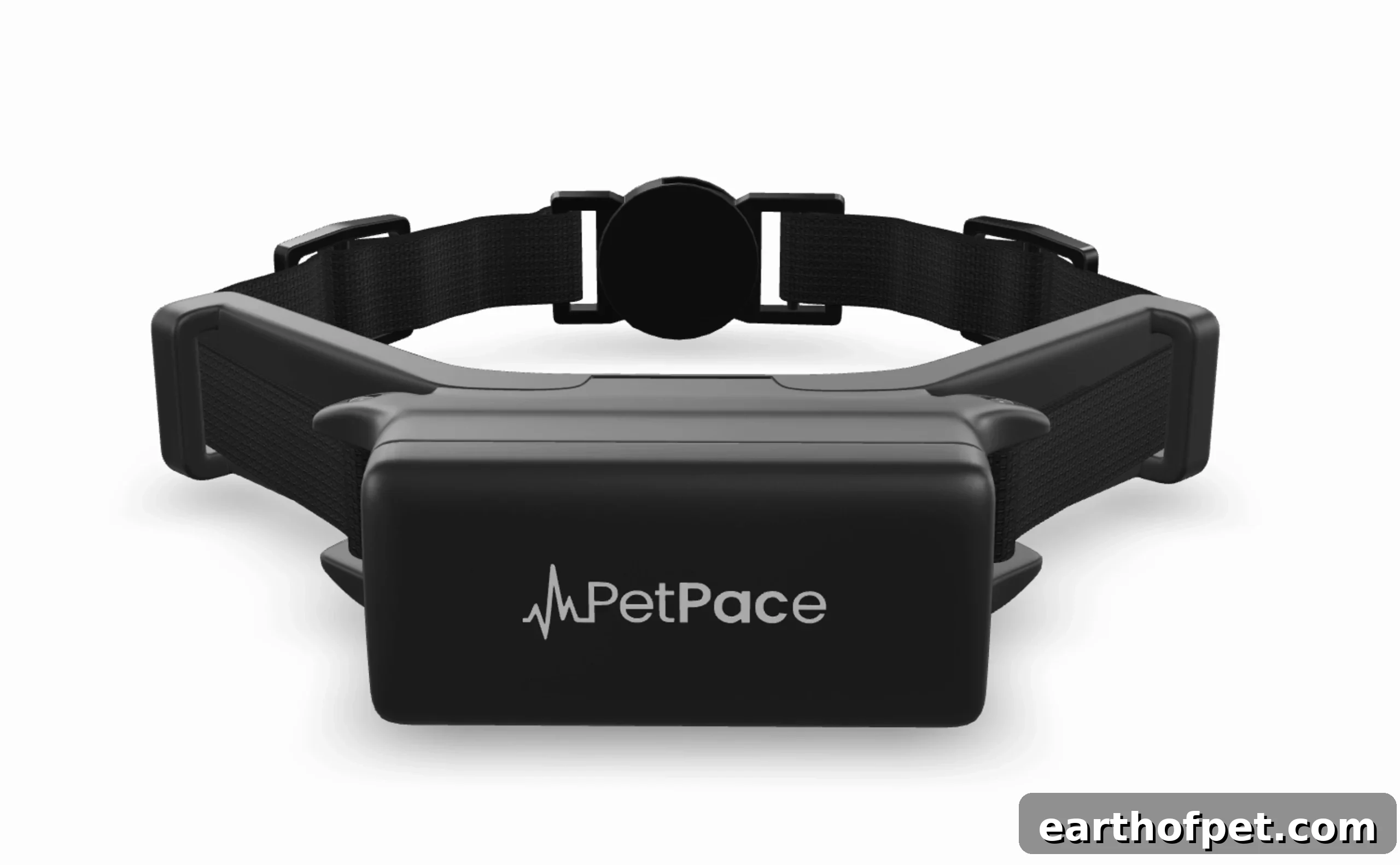
Mya is a 14-year-old spayed female domestic shorthair cat, weighing 13 lb, who lives exclusively indoors and had no previously known medical issues. Her owner, Carol Pipher—a veterinary technician at Southern Tier Veterinary Associates in Vestal, NY—began routine remote monitoring by fitting Mya with a PetPace collar to screen her daily health and activity.
Monitoring Data and Medical Exam
Data from the PetPace collar flagged concerning values that prompted further evaluation. Heart rate measurements were notably high (average 182 bpm; maximum 231 bpm; minimum 130 bpm) and heart rate variability was low (VVTI 8.2). Because these trends suggested a potential health problem, Carol brought Mya to the veterinary hospital for a full examination.
On physical exam Mya appeared clinically stable with no obvious abnormalities. However, bloodwork revealed a markedly elevated thyroid hormone level (T4 = 12.4 µg/dL; reference range 0.8–4.7 µg/dL) and a mild increase in red blood cell count (RBC = 11.6 ×10^6/µL; reference range 7.12–11.4 ×10^6/µL), both findings commonly associated with hyperthyroidism in cats. No other laboratory or clinical signs indicated additional disease at that time.
Mya was started on a course of oral medications to control thyroid hormone production. Three months after beginning treatment, a 24-hour follow-up recording with the PetPace collar documented clear improvement across monitored parameters: average heart rate dropped by roughly 20% (average 141 bpm; max 208 bpm; min 103 bpm) and VVTI increased to 9.3, a 13% improvement in heart rate variability. Clinically, Mya responded well to medical therapy and did not develop further complications.
Elevated pulse indexes in a cat with occult hyperthyroidism
Significant decreases in pulse indexes following medical treatment for hyperthyroidism
Discussion
Hyperthyroidism is a common endocrine disorder in older cats caused by excessive production of thyroid hormones from the thyroid gland in the neck. Thyroid hormones influence metabolism, cardiovascular function, and many other physiological systems, so the disease can produce a wide variety of signs and affect multiple organs. Because clinical symptoms such as weight loss, increased appetite, restlessness, or cardiovascular changes develop gradually, hyperthyroidism is often not recognized until it is well established. Early detection is important because timely treatment reduces the risk of progressive organ damage and improves long-term outcomes.
In this case, continuous monitoring with the PetPace smart collar provided objective physiologic data that alerted the owner to a developing problem before significant clinical deterioration occurred. The abnormal heart rate and low heart rate variability detected by the collar led to veterinary testing and a diagnosis of hyperthyroidism at an earlier stage than might otherwise have occurred. Once treated with appropriate oral medication, Mya’s hormone levels and monitored cardiovascular parameters improved substantially, illustrating how early recognition and management can benefit an affected pet.
Remote health monitoring that tracks trends in vital signs and activity can be particularly helpful for identifying subtle, non-specific changes over time. Many chronic conditions progress slowly and initially produce only mild or inconsistent signs that can be missed during routine home observation. Analytics and trend alerts from wearable monitoring devices can prompt veterinary evaluation when data deviate from an individual animal’s typical baseline, enabling earlier intervention.
Conclusions
The PetPace collar provided early, actionable indications of a change in Mya’s health status and prompted timely veterinary assessment. In this instance the device helped identify occult hyperthyroidism, supported diagnosis with objective physiologic data, and documented improvement following medical therapy. For pet owners and veterinary clinics, smart collars and similar monitoring tools can enhance routine screening, support early detection of chronic diseases such as feline hyperthyroidism, and encourage prompt veterinary follow-up that may improve patient outcomes.
Dr. Cari Bowlin, Medical Director at Southern Tier Veterinary Associates, commented that the collar data was the reason they performed a thorough exam on a cat that otherwise appeared healthy, enabling a timely diagnosis of a serious disease and reinforcing confidence in the monitoring technology. Dr. Asaf Dagan, DVM, Diplomate ABVP and PetPace Chief Veterinarian, added that integrating remote monitoring into periodic screening—such as annual wellness assessments—can be invaluable for early disease detection and, as demonstrated in this case, can make a measurable difference in pet health.