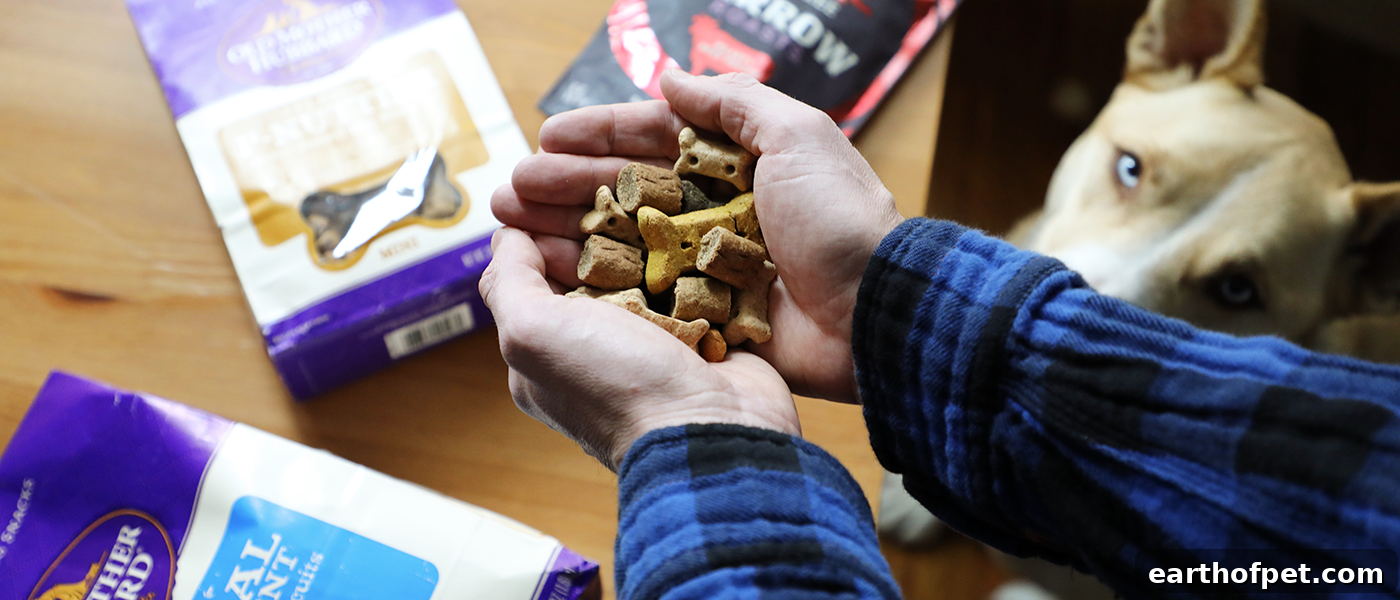
Dog biscuits are hard, crunchy treats available in many flavors and varieties. They function as snacks or dietary supplements for dogs, offering rewards during training, extra calories, or simply a tasty way to show affection. As with human snacks, dog biscuits vary widely in quality and nutritional value.
Dog owners should know which ingredients make the healthiest biscuits, how to store them to maintain freshness, and which types suit different life stages and dietary needs.
What Makes a Great Dog Biscuit?
A great dog biscuit balances taste and nutrition. Dogs enjoy flavors and textures just like people do, but treats should not be loaded with artificial additives or low-quality ingredients that can harm health or cause weight gain.
High-quality biscuits are made from premium ingredients similar to those in complete dog foods. Look for clear ingredient lists and avoid products that rely on fillers or controversial additives.
Avoid dog biscuits that list:
- Artificial sweeteners (especially xylitol)
- Rendered or unspecified fats
- Corn or wheat gluten as primary fillers
- Propylene glycol
- BHA, BHT, or ethoxyquin
- Artificial food dyes
- Meat meals, unspecified animal by-products, or vague sourcing
Prefer ingredients that include:
- High-quality proteins and complete amino acids
- Vitamins, minerals, and fiber
- Whole-food additions like pumpkin, apples, carrots, or sweet potato
- Oat or whole-grain flours (unless you need a grain-free option)
These ingredients support overall health while keeping treats flavorful and enjoyable.
How to Choose Healthy and Tasty Dog Biscuits
Ingredient quality should be the primary consideration when choosing biscuits. Some low-quality treats have been linked with health risks, so prioritize brands with transparent sourcing and limited artificial additives.
Taste matters too—use your dog’s regular meals as a guide. If your dog prefers savory, meaty flavors, choose meat-focused biscuits. If your dog enjoys sweeter, fruit-and-nut profiles, look for treats with natural fruit or peanut butter. Read labels for protein sources and avoid products that hide ingredients behind vague terms.
Best All-Around Dog Biscuits
All-purpose biscuits that combine wholesome ingredients with appealing flavors make good everyday rewards. Look for options made with real peanut butter, molasses, or added fruits and vegetables. Many classic oven-baked biscuits offer a satisfying crunch and come in multiple sizes to accommodate small and large dogs.
For dogs that prefer a variety of tastes, assortments that include original, chicken, and cheddar flavors can provide variety without sacrificing ingredient quality. Choose formulas that list whole grains, eggs, and real produce on their ingredient panels.
High-protein choices:
For dogs that benefit from higher protein, consider grain-free or meat-forward biscuits that list real meat or marrow as primary ingredients. These treats are especially popular for working dogs or pets that thrive on protein-rich snacks.
Best Biscuits for Senior Dogs
Seniors may need softer textures and added joint support. Look for treats formulated with joint-supporting nutrients like glucosamine and chondroitin alongside easy-to-chew textures. Treats that combine palatable flavors with functional ingredients can help maintain mobility while keeping older dogs engaged and rewarded.
Best Biscuits for Dogs with Sensitive Gums
Puppies and senior dogs or pets with dental sensitivity often do better with softer treats. Soft-baked or moist biscuit varieties offer the same flavors with a gentler texture. Many brands offer “soft & tasty” lines in beef, sweet potato, or other dog-friendly flavors that are easier on gums while still providing a satisfying treat experience.
Storage and Freshness
Proper storage preserves flavor and prevents spoilage. Once opened, most biscuits stay fresh for about two weeks under conservative estimates, though some packaged treats last longer depending on preservatives and packaging.
Keep biscuits in an airtight container to protect them from moisture and pests. For maximum longevity, store the sealed container in the refrigerator—this is particularly helpful for soft or preservative-free treats. Always check treats by smell and appearance before offering them to your dog; discard anything that smells off or shows mold.
Premium ingredients demand proper storage. Never feed spoiled biscuits to your dog—freshness matters for both taste and nutrition.
Choosing the right dog biscuit means balancing ingredient quality, flavor preferences, and your pet’s specific needs—age, dental health, and activity level. With careful selection and proper storage, biscuits can be a healthy, enjoyable addition to your dog’s routine. Celebrate your canine companion by finding treats that are both delicious and nutritious.