Cats are masters at finding the warmest sunbeams for an afternoon nap, keeping your feet cozy at night, and giving you that perfectly timed, expressive glance. As indoor cats age, they often become less active, but cats of every age need regular movement. According to PetMD, cats should get at least 15 minutes of focused activity each day to support their physical and mental well-being.
Why is Exercise Important for Cats?
Daily exercise reduces the risk of obesity and related health issues such as cardiovascular strain and muscle loss. Regular activity also supports healthy joints, digestion, and metabolic function. Beyond the physical benefits, exercise plays a major role in mental health: it lowers the chance of boredom and stress-related behaviors, helps prevent feline depression, and provides constructive outlets for natural instincts like stalking and pouncing. For indoor cats in particular, structured play and enrichment are essential to replace the variety and stimulation they would naturally get outdoors.
What is Considered Exercise for Cats?
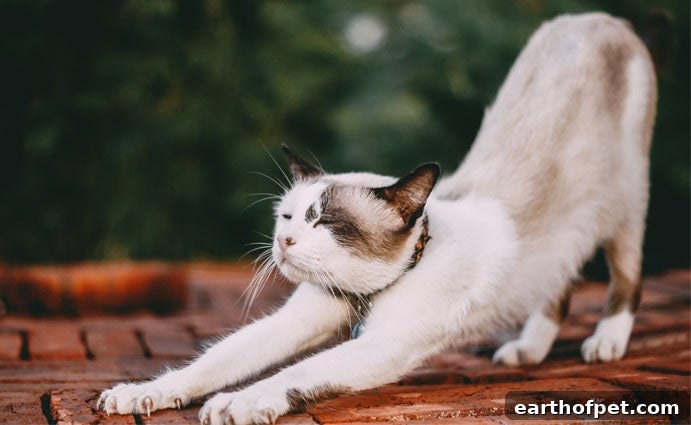
Exercise for cats means activities that raise their heart rate and get them moving beyond everyday small motions, like walking from the bed to the couch. Play sessions that encourage running, jumping, chasing, and climbing qualify as exercise. Interactive toys, laser pointers used responsibly, wand toys, and short sprint-and-rest sessions all contribute. Ideally, cats should engage in multiple short bursts of activity throughout the day rather than one long session—this mimics natural hunting patterns and is less stressful on joints, especially for older cats.
For busy households where owners work long hours or travel frequently, ensuring adequate daily activity can be a challenge. That’s why many cat owners look for enrichment tools that allow cats to exercise independently when human companions aren’t available.
Have You Heard About Cat Exercise Wheels?
If you’re exploring self-directed exercise options for your cat, you may have come across the cat exercise wheel. Sometimes compared to a hamster wheel, the cat exercise wheel is built specifically for feline size, balance, and gait. Well-designed cat wheels give indoor cats a reliable way to burn energy, maintain muscle tone, and relieve stress even when their owners aren’t home.
What is a Cat Exercise Wheel?
A cat exercise wheel is a large, circular running surface mounted on a supportive frame. Typical wheels have a wide tread—often around 10 inches or more—so cats can run comfortably without fear of slipping. The running surface is usually covered with a soft, non-slip material such as foam or rubber to protect paws and claws and to provide traction. Many wheels are elevated on a stable base to prevent tipping and to keep movement smooth and quiet in the home environment.
How Does the Cat Exercise Wheel Work?
Using a cat wheel is intuitive: a cat steps onto the tread and begins to walk or run, which causes the wheel to turn. Owners often introduce the wheel with treats, toys, or short guided sessions to help the cat become familiar and confident. As the cat increases its pace, the wheel responds by rolling more quickly, encouraging continued movement. Some cats use the wheel sporadically throughout the day, while others enjoy structured workouts that easily add up to or exceed the recommended minimum of 15 minutes of activity per day.
Introducing a wheel should be gradual. Start with short, positive sessions, reward progress, and avoid forcing a cat to use the wheel. Watch for signs of stress or discomfort and consult your veterinarian if you have concerns about a senior cat, a cat with mobility issues, or any unusual behavior during exercise.
Cat exercise wheels aren’t the only option—vertical spaces like cat trees, puzzle feeders that promote movement, interactive wand play, and short supervised walks on a harness can all contribute to a well-rounded activity plan. Whatever method you choose, aim for consistent, daily opportunities for play and movement to support both physical health and emotional enrichment.
Alongside exercise, nutrition matters. A balanced diet of high-quality ingredients supports energy levels, muscle maintenance, and overall health. Combine thoughtful feeding practices with regular activity to help your cat live a longer, happier life.