Why Do Cats Sleep So Much
Content originally published on BestLifeOnline.com.
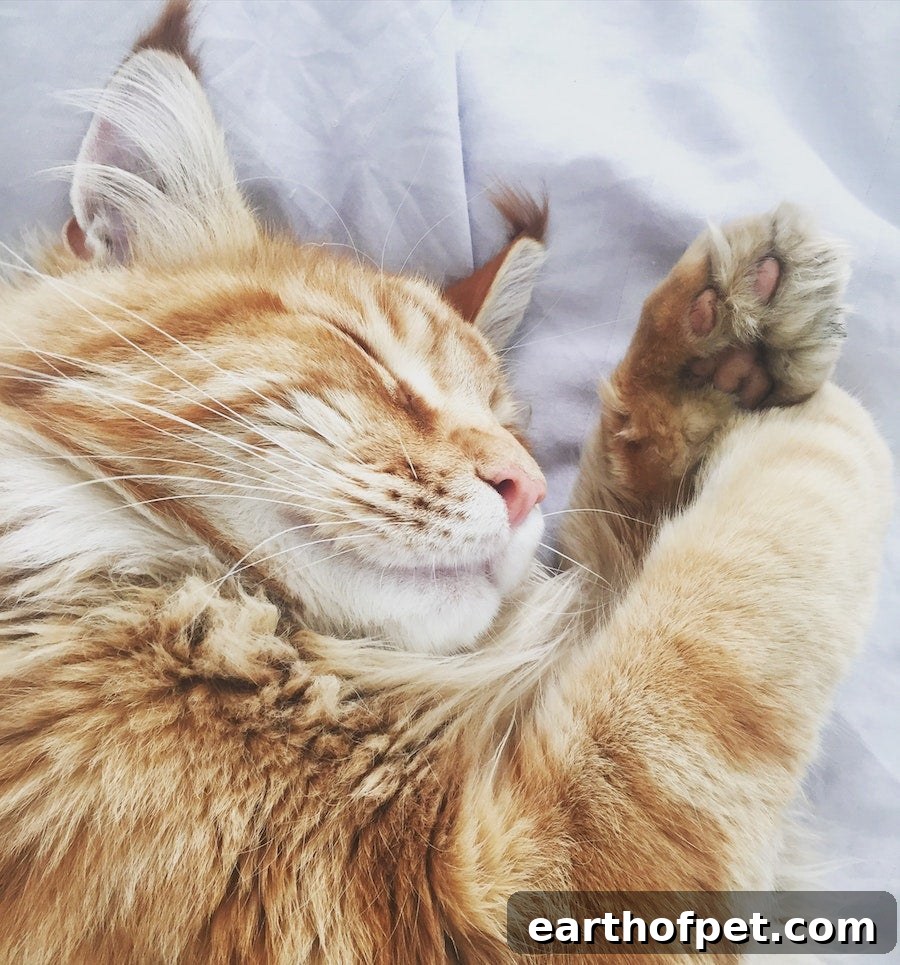
If there were a Nap Olympics, cats would be the undisputed champions. House cats typically sleep around 15 hours a day, and some can rest as much as 20 hours within a 24-hour period. That large amount of sleep often prompts owners to ask: why do cats sleep so much? Understanding a cat’s sleep habits means looking at their biology, instincts, and daily environment.
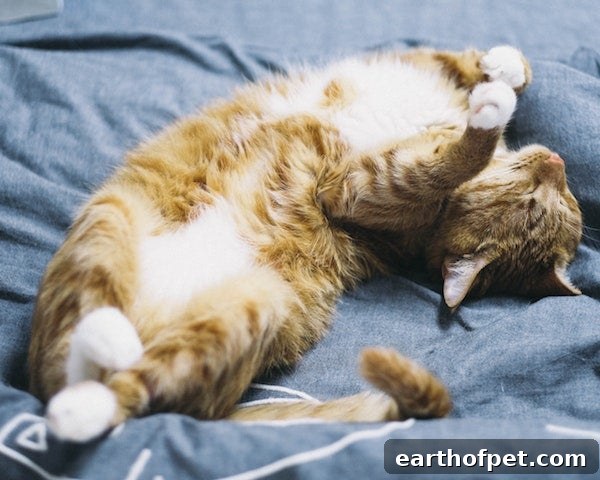
Why Your Cat Is Sleeping So Much According To Science
A key reason for prolonged sleep lies in the cat’s ancestry and natural rhythms. Domestic cats are crepuscular animals, which means they are most active during twilight hours—dawn and dusk. This pattern mirrors that of many wild felines and evolved because it aligns with the activity patterns of their prey. Conserving energy through frequent rest allows cats to perform short, intense bursts of activity when hunting or playing.
Cats also cycle through different sleep stages. Much of what looks like sleep to us is actually a light, alert doze during which a cat can wake quickly. They do enter deeper sleep phases, including REM (rapid eye movement), when dreaming and restorative processes occur. These varied sleep stages support muscle recovery and cognitive processing—important for both hunting and social behaviors.
What About Indoor Cats?
Indoor cats sleep a lot for many of the same reasons as outdoor cats. Although they don’t need to hunt for survival, their instincts remain. Indoor cats will channel hunting energy into play and exploration. Many owners notice activity spikes at night because cats retain their twilight activity tendencies and may be most interested in stalking toys or roaming the home when people are asleep.
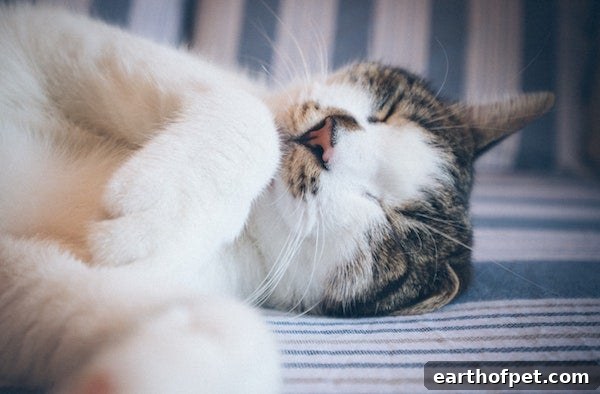
Indoor routines, feeding schedules, and interaction with people influence a cat’s daily rhythm. Cats may nap repeatedly throughout the day but remain ready to spring into action. They are particularly adept at falling asleep quickly after physical or mental stimulation, which helps explain why a playful session can be followed by a long, contented nap.
Fluctuating Cat Sleep Schedules
Sleep needs change over a cat’s life. Kittens and senior cats tend to sleep the most. Kittens use sleep to support rapid growth and brain development, while older cats rely on longer rest for recovery and comfort. Adult cats in their prime usually average around 12 to 16 hours, though individual variation is normal.
Cats also adapt their sleep patterns to household life. Many will shift their schedule to make time for affection, play, or feeding. Social bonding and predictable routines can encourage cats to be more active during certain parts of the day and rest during others. While the instinct to hunt is powerful, a well-loved cat often prioritizes interaction and comfort over solitary pursuits.
Not all extended sleep is cause for concern. However, sudden or dramatic shifts in sleeping habits, excessive lethargy, or changes in appetite and behavior can sometimes signal health issues. If you notice abrupt differences in your cat’s energy level or sleep that seem out of character, it is sensible to consult a veterinarian for a checkup.
In short, cats sleep a lot because their biology is tuned to conserve energy for short, intense activity, their sleep includes light periods of alert rest, and life stage and environment shape how much rest they need. Observing your cat’s routine and responding to changes will help keep them healthy, comfortable, and engaged.
*Wellness has rights to republish this content. Original story: BestLifeOnline.com.