As the calendar turns and the holiday buzz fades, January offers a natural moment to reset. Whether you enjoyed a quiet night in or celebrated with friends, the start of a new year provides a fresh opportunity to set meaningful goals. This year, consider resolutions that include both you and your pet—small, realistic changes that boost wellbeing for your whole household.
Making shared wellness goals strengthens the bond between you and your animal companion while improving health, mood, and daily routine. Below are practical, pet-friendly resolutions to help you both thrive in the year ahead.
1. Get Active Together
Physical activity is one of the most popular New Year’s resolutions, and including your pet makes it easier to stay consistent. Exercising with your pet supports cardiovascular health, weight management, and mental stimulation for both of you.
For dogs: Increase daily walk time or add a weekly hike. Vary your routes to provide new sights and smells, or try gentle running or interval walks if your dog’s fitness and vet clearance allow. Joining a local dog-walking group or signing up for canine agility or training classes can add socialization and structure.
For cats: Cats often prefer short bursts of activity. Schedule multiple short play sessions using interactive toys like feather wands, laser pointers, or puzzle feeders to encourage pouncing and sprinting. Creating vertical space with cat trees and perches also helps maintain mobility.
2. Improve Nutrition for Both of You
After holiday indulgences, a renewed focus on nutrition can benefit everyone in your home. Aim for balanced, whole-food choices for yourself and nutritionally appropriate meals for your pet.
For you: Emphasize fruits, vegetables, lean proteins, whole grains, and plenty of water. Simple habits—meal planning, batch cooking, or trying a weekly plant-forward recipe—can make healthy eating more sustainable. Moderation, not perfection, is the key to long-term success.
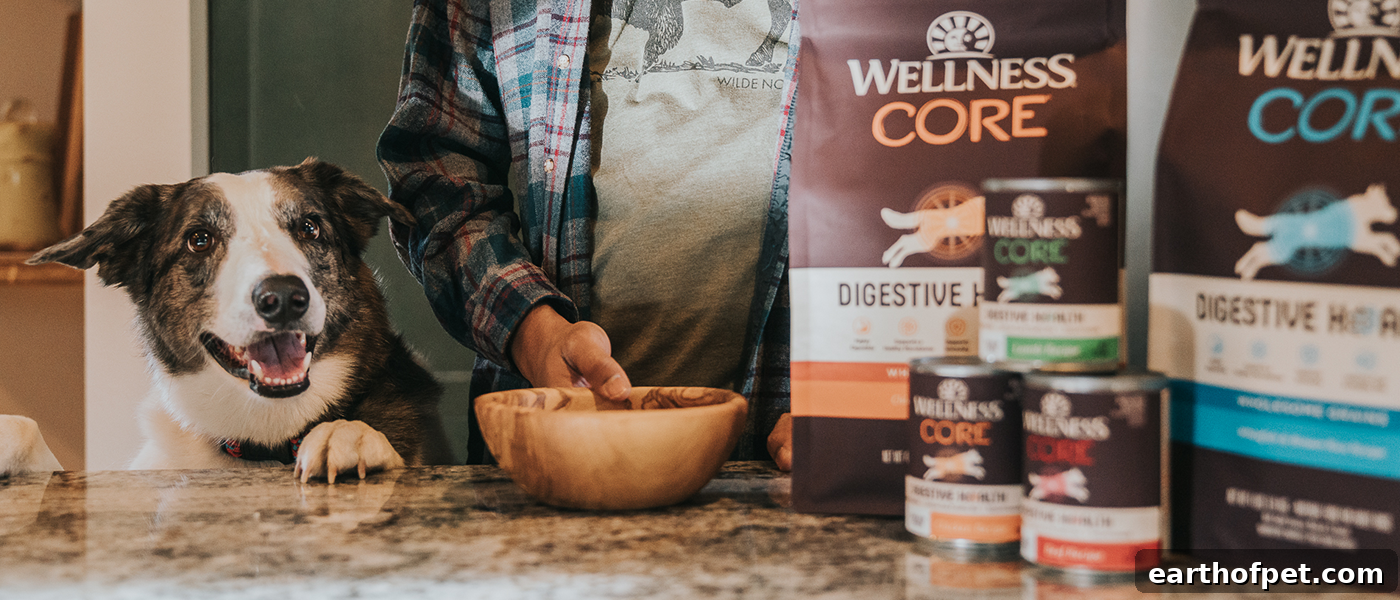
For your pet: Review your pet’s current food and feeding routine. Choose high-quality food appropriate for your pet’s life stage, breed, and activity level, and consult your veterinarian if you’re unsure about ingredients or portion sizes. For treats, opt for portion-controlled, pet-safe options and consider preparing simple homemade treats using vetted recipes. If your cat or dog is picky, experiment with different textures and formats while keeping nutrition front of mind.
3. Support Mental Health for You and Your Pet
Mental wellbeing matters for people and pets alike. Incorporating daily stress-reduction practices and enrichment activities helps both of you feel calmer and more connected.
For you: Try brief daily practices such as meditation, deep breathing, or gentle stretching. Even five to ten minutes each day can reduce stress and improve focus. Journaling or a short morning gratitude routine can also orient your day positively.
For your dog: Dogs respond strongly to routine and emotional cues. Consistent schedules, calming environments, and enrichment—like interactive toys or scent-based games—can reduce anxiety. For dogs with significant stress or separation anxiety, discuss behavior strategies and possible supportive products with your veterinarian or a qualified trainer.
For your cat: Cats thrive on predictable routines. Keep feeding and playtimes regular, provide hiding spots and elevated resting areas, and offer puzzle feeders or new textures to explore. If your cat shows signs of persistent stress, seek guidance from your vet, who may recommend environmental adjustments or specialized support.
4. Prioritize Preventive Veterinary Care
Routine veterinary visits are essential for early detection and prevention of health problems. Make scheduling check-ups and staying current on vaccinations and parasite prevention a priority.
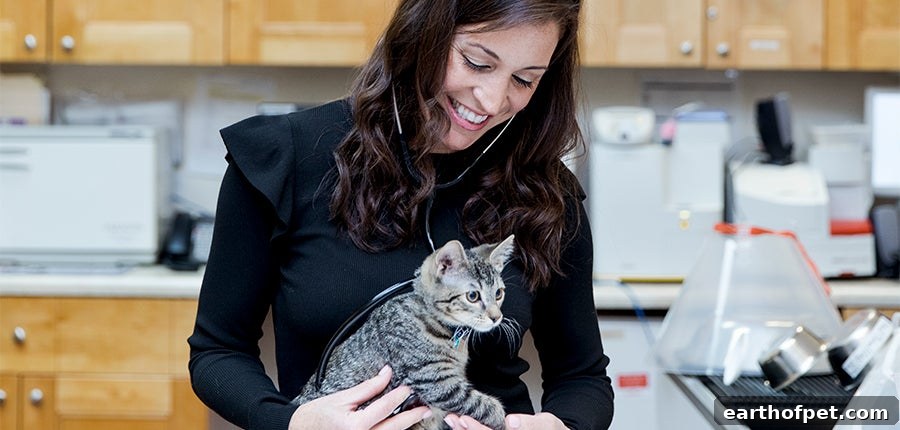
For your pet: Book annual or biannual wellness exams based on your pet’s age and health needs. Monitor weight, coat condition, energy level, and eating habits, and contact your vet if you notice changes. Include dental care in your pet’s routine—regular cleanings, dental chews approved by your veterinarian, and at-home dental hygiene where appropriate can all contribute to oral health.
For you: Keep up with your own preventive care too. Regular physical exams, dental visits, and recommended screenings help catch issues early and keep you healthy so you can care for your pet long term.
5. Declutter and Organize Pet Spaces
A tidy home reduces stress and makes daily care tasks easier. Use the new year as a chance to organize pet supplies and create welcoming, functional spaces for your animal companion.
For your pet: Sort through toys, leashes, grooming tools, and bedding. Discard worn or broken items, wash bedding, and replace damaged gear. Assemble a basic pet first-aid kit and keep important documents—vaccination records, microchip information, and vet contacts—in an easily accessible folder.
For you: Adopting a streamlined approach to possessions helps mental clarity. Decluttering common areas creates more space to play with your pet and reduces hazards like loose cords or small objects that curious animals might investigate.
6. Practice Mindful, Present Time Together
One of the simplest resolutions is to be more present. Quality time without distractions deepens your bond and improves wellbeing for both of you.
For you: Turn off screens during dedicated pet time. Focus on mindful interactions—savor a quiet cuddle, engage fully in training or play, or take a walk without multitasking. These small habit changes can boost your mood and reduce stress.
For your pet: Pets respond to your attention and presence. Regular, undivided moments—whether gentle petting, extended play, or relaxed companionship—help meet their emotional needs and reinforce trust.
Conclusion: A Year of Shared Wellbeing
Setting resolutions that include your pet creates shared goals that benefit both health and happiness. Focus on attainable, consistent habits: more movement, better nutrition, mental enrichment, preventive care, organization, and presence. These changes strengthen your relationship, support long-term health, and make daily life more joyful for everyone involved. Grab a leash or a favorite toy and make this year one of connection, health, and shared wellbeing.