A new year often brings a closer look at daily routines, including what we serve our dogs. What fuels their energy, supports muscle, and sustains long-term health? For most dogs, the answer comes back to protein.
Protein is not a passing trend or marketing term — it is a nutritional cornerstone that supports movement, vitality, and overall wellbeing. Selecting high protein dog food aligns with a dog’s biology and helps ensure they have the amino acids needed for growth, repair, and immune function.
Whether you care for a growing puppy, an athletic adult, or a senior companion, understanding protein and choosing quality sources makes feeding simpler and more effective.
Why Protein Is Essential in Dog Food
Dogs evolved as primarily carnivorous animals, and their bodies are built to use animal-based proteins efficiently. Protein supports nearly every vital function, including:
- Muscle growth, repair, and maintenance
- Sustained energy and stamina
- Immune system function
- Healthy skin and a glossy coat
- Recovery after exercise or activity
High-quality dog foods prioritize named animal proteins to deliver a complete mix of amino acids. When diets rely too heavily on fillers or carbohydrates, dogs may meet calorie needs yet lack the essential building blocks for strength and resilience.
Do Dogs Need High Protein Dog Food?
For many dogs, higher protein levels are beneficial. Active dogs, working breeds, and sporting dogs tend to perform best on diets formulated with increased protein. Puppies require elevated protein for rapid growth, brain development, and immune support. Many seniors also benefit from higher protein to help preserve lean mass and mobility as they age.
The key is balance and protein quality: appropriate protein levels paired with digestible ingredients and the right caloric density for your dog’s life stage and activity level.
Benefits of High Protein Dog Food
Choosing a high protein diet can lead to noticeable improvements in your dog’s condition and daily life.
- Lean muscle and strength: Protein helps maintain and rebuild muscle mass in large breeds, athletes, and older dogs.
- Steady energy levels: Compared with carb-heavy meals, protein-rich diets provide more consistent energy that supports longer activity without the highs and lows of simple sugars.
- Healthy weight management: Protein supports both weight gain and weight loss goals. For underweight dogs, higher-protein, higher-calorie formulas help rebuild condition. For dogs losing weight, a high-protein, lower-calorie approach helps preserve muscle while reducing fat.
- Skin, coat, and immunity: Amino acids from quality proteins support skin health, a shiny coat, and robust immune responses across life stages.
These benefits depend on selecting balanced formulas with named, digestible protein sources and the right calorie profile for your dog.
How Much Protein Should a Dog Have Daily?
Protein requirements vary by age, activity, and health:
- AAFCO minimums: adult maintenance diets should contain at least 18% protein on a dry matter basis.
- Puppies: typically require higher levels—often 22–25% protein or more on a dry matter basis—to support rapid growth.
- Active and working dogs: often benefit from protein levels above maintenance to support performance and recovery.
- Seniors: many older dogs benefit from increased, high-quality protein to slow muscle loss, provided the proteins are easily digestible.
Consider both protein percentage and overall calorie density: a calorie-dense, protein-rich formula can meet energy needs without excessive portion sizes. These percentage figures represent minimums; optimal levels may be higher based on lifestyle and energy demands.
High Protein Puppy Food: Fueling Growth the Right Way
Puppies grow quickly and need nutrition that supports healthy development. High-protein puppy food helps build strong bones and muscles, supports brain and vision development, and supports a developing immune system. Large-breed puppies often need formulas tailored to their growth rate and joint health, while smaller or energetic breeds may require higher calorie and higher protein blends to sustain rapid activity.
When extra calories are needed, choose puppy formulas that combine elevated protein with appropriate fat and micronutrients rather than simply increasing volume of low-quality ingredients.
Protein-First Nutrition Made Simple
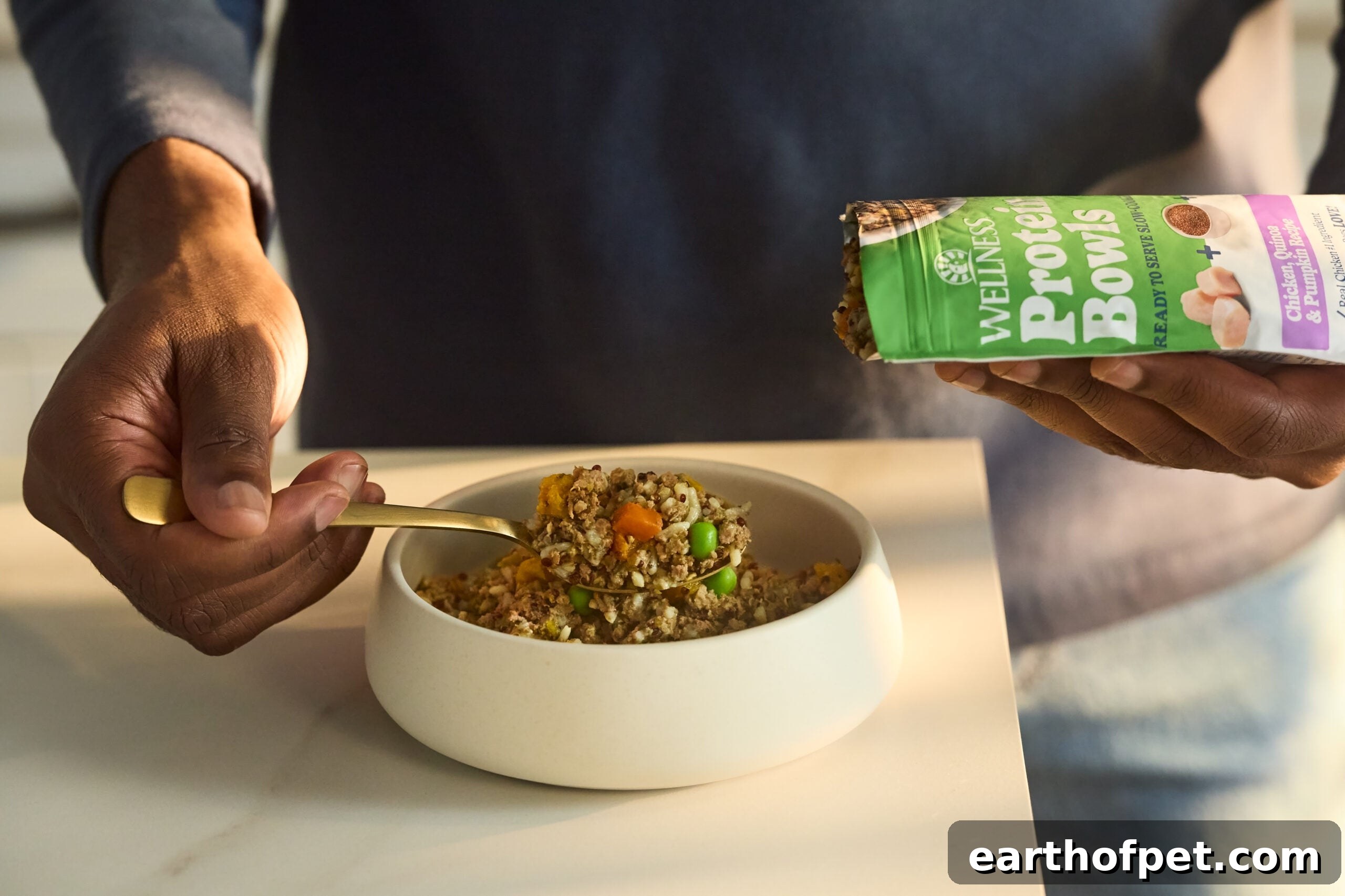
Understanding nutrition is important, but consistency at mealtime matters most. Brands and recipes that focus on animal proteins, clear ingredient lists, and balanced formulations make feeding straightforward. Fresh or wet protein bowls can complement dry kibble to boost palatability, hydration, and variety while preserving high-protein benefits.
Combining dry high-protein kibble with high-protein wet food occasionally can improve texture, aroma, and enjoyment—especially for picky eaters or dogs with dental or hydration needs.
Dry vs. Wet High Protein Dog Food
Both formats have advantages:
- Dry high-protein dog food: convenient, easy to portion, and often beneficial for dental abrasion.
- Wet or canned high-protein food: provides moisture, stronger aroma, and enhanced palatability.
- Mixing formats offers variety and can improve hydration and meal satisfaction.
Choosing the Best Protein Source for Dogs
Prioritize clearly named animal proteins such as chicken, turkey, beef, lamb, or fish. These sources supply essential amino acids. Avoid vague ingredient listings that obscure the true protein source. Look for formulas with transparent ingredient panels and balanced nutrient profiles tailored to your dog’s life stage.
Do Senior Dogs Need More Protein?
Many senior dogs benefit from increased high-quality protein to counteract age-related muscle loss. The goal for older pets is to maintain muscle, support mobility, and preserve overall function while ensuring digestibility and appropriate calorie control. Consult your veterinarian to tailor the right protein level for a senior dog’s health conditions and activity.
A New Year’s Resolution Worth Keeping
Choosing a protein-first diet for your dog is a practical, science-based way to support strength, steady energy, healthy skin and coat, and long-term vitality. Focus on high-quality, named protein sources, appropriate calorie density, and formulas matched to life stage and activity. With balanced, protein-focused feeding, you’ll help your dog enjoy stronger muscles, more energy, and many happy, healthy years ahead.