Many dog owners resist crate or kennel training because they worry confinement is cruel. When introduced and used correctly, however, crate training offers clear benefits for both dogs and their owners. A properly sized crate becomes a secure, predictable space that satisfies a dog’s natural den instincts. Used as part of a consistent management plan, a crate is also a practical tool for house training, reducing destructive behavior, and teaching a dog to settle and relax when you cannot supervise them directly. Like any tool, crates can be misused, so the key is gradual, positive training and reasonable limits on confinement.
What Are The Benefits Of Crate Training?
Crate training delivers advantages for household management and for a dog’s emotional wellbeing. Below are common benefits that many owners notice when they introduce a crate thoughtfully and consistently.
- House training support: A properly sized crate encourages a dog’s instinct not to soil the place where it sleeps. This natural tendency can make bladder and bowel control easier to teach, reducing accidents in the home while you work on a reliable house-training routine.
- Management and safety: When you cannot supervise your dog—while cooking, working, or running errands—a crate prevents access to hazards and limits opportunities for chewing or destructive behavior. This makes it a useful management tool for short, supervised periods.
- Promotes calm behavior: Regular, positive crate use helps dogs accept and even enjoy periods of quiet time alone. Over time, many dogs learn that the crate is a place to rest and decompress, which reduces anxiety and excitable behavior when you need them to relax.
Choosing The Right Crate
Selecting the right crate depends on your dog’s size, age, temperament, and how you plan to use the crate. The most common types are wire, plastic, and fabric crates, each with their strengths.
- Fabric crates: Lightweight and portable, fabric crates work well for supervised travel or short-term indoor use. They are less suitable for long-term unsupervised confinement, especially for dogs that chew or become anxious.
- Plastic and wire crates: These options are typically more durable. Plastic crates—often used for travel and veterinary visits—offer privacy and wind protection. Wire crates provide ventilation, visibility, and can be easier to clean. Both are good choices for regular in-home use when steady confinement is required.
Size matters. A crate should be large enough for your dog to stand up, turn around, and lie down comfortably. If a crate is too big, a dog may use one end as a bathroom, which undermines house training. Many owners find crates with removable dividers helpful, as they allow you to adjust the usable space as a puppy grows into an adult.
Make The Crate A Happy Place
Introduce your dog to the crate gradually and positively. Forcing a dog into a crate or using it as punishment will create negative associations and make training harder. Follow gentle, consistent steps so the crate becomes a preferred resting place:
- Start with the door open and encourage exploration by placing treats, toys, or a favorite blanket inside. Let the dog enter and exit freely at first.
- Feed meals in the crate or give special chews or toys only when the dog is inside, so the crate becomes linked with good things.
- Shortly after the dog is comfortable entering, begin closing the door for brief periods while you remain nearby. Gradually increase the time closed, always releasing the dog before it becomes anxious.
- Avoid using the crate as punishment. The crate should be a predictable, safe space, not a consequence for bad behavior.
The Crate Can Become A Safe Haven For Your Dog
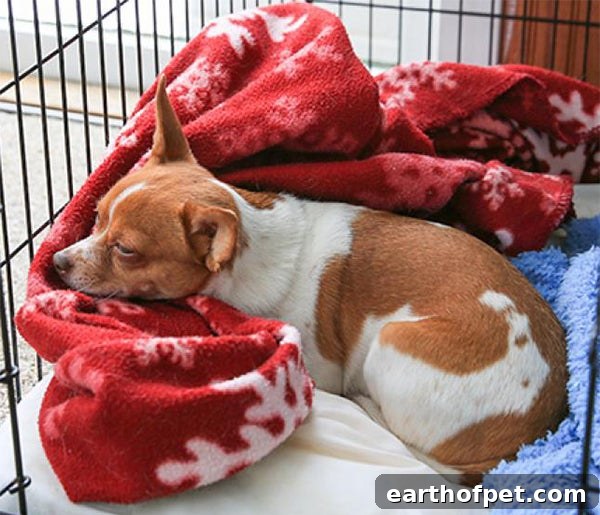
When a dog learns to associate the crate with comfort and positive experiences, the crate becomes a personal retreat—much like a bedroom for a child. This private space is useful when a dog is tired, stressed, or needs a break from household activity. Because dogs are descended from den-dwelling ancestors, many adapt readily to crate life when the environment is made inviting: include a soft bed or blanket, familiar toys, and place the crate in a calm area of the home.
Consistency and patience are essential. Allow your dog to progress at its own pace, keep crating sessions positive and appropriately timed, and use a comfortable bed or blanket to encourage relaxation. With steady practice, crate training can improve house training, reduce unwanted behaviors, and give your dog a dependable place to rest. Try introducing a crate thoughtfully today—you and your dog may soon wonder how you managed without it.