
Ensuring the health of your dog requires more than occasional attention — it means scheduling regular veterinary check-ups just as we do for ourselves. So how often should you take your dog to the vet? The answer depends on several factors, including age, health status, breed, and size. Below we outline recommended schedules for different life stages and explain the key reasons routine visits matter.
Decisions about visit frequency should be based on your dog’s individual needs. Regular preventative care — vaccinations, parasite control, dental checks, nutrition counseling, and appropriate exercise — is the foundation of a long, healthy life for your pet.
Determining the Right Frequency for Vet Visits
Puppies need more frequent visits than adult dogs. Likewise, senior dogs and pets with chronic health issues often require closer monitoring. You should also arrange an immediate vet visit whenever you notice worrying signs such as sudden appetite changes, weight loss, persistent vomiting or diarrhea, lethargy, difficulty breathing, limping, or significant behavioral changes.
Why Regular Veterinary Check-ups Matter
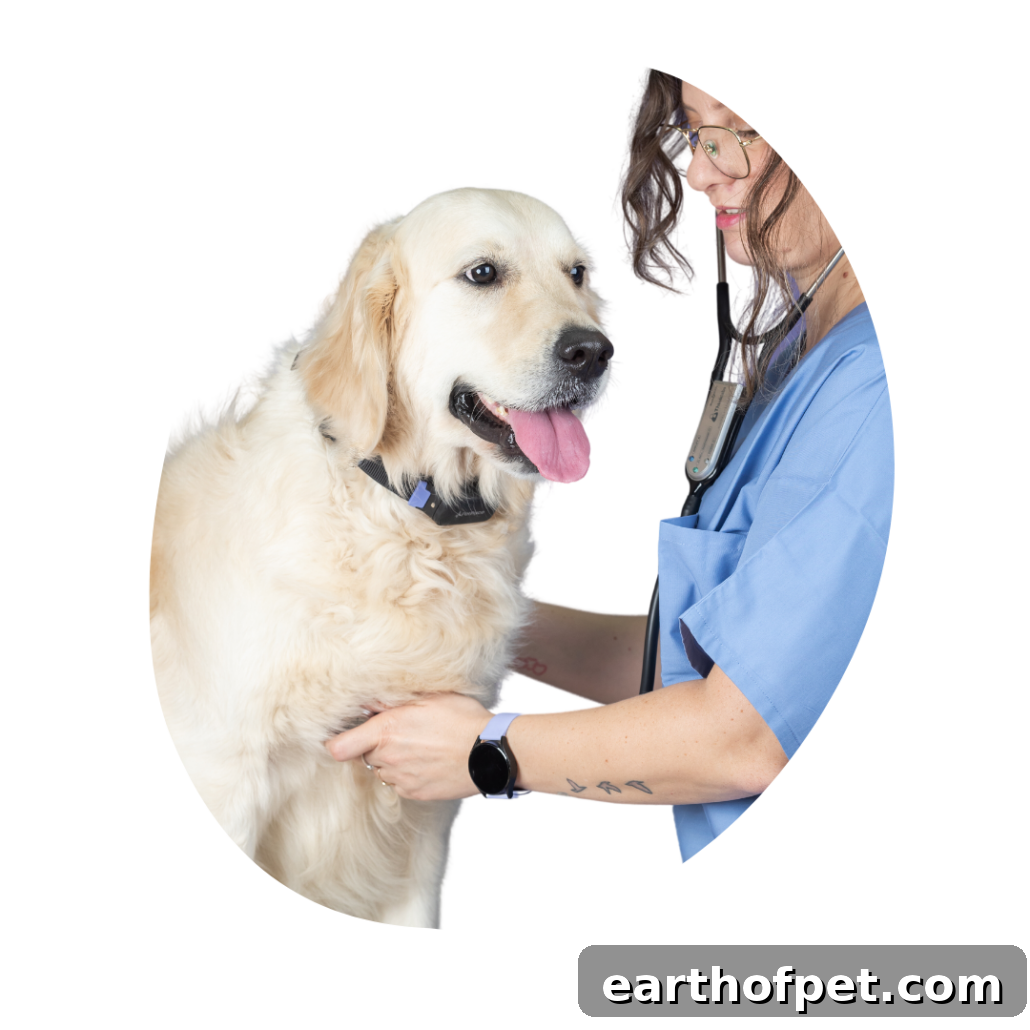
Routine veterinary visits are essential for detecting problems early, preventing disease, and keeping your dog in peak condition. Regular exams give your veterinarian the opportunity to assess your dog’s overall health and to recommend vaccinations, parasite protection, dental care, and lifestyle adjustments. The main benefits include:
- Early detection and prevention: Many illnesses present subtle signs before becoming serious. Regular physical exams and screening tests help catch problems when they’re most treatable.
- Vaccinations: Staying up to date with vaccinations protects your dog against contagious and potentially life-threatening diseases.
- Parasite control: Regular visits allow for tailored flea, tick, and worm prevention appropriate to your region and your dog’s lifestyle.
- Dental health: Oral disease affects overall health. Routine dental checks and cleanings help prevent pain and systemic complications.
- Nutritional and exercise advice: Veterinarians advise on diet and activity to maintain optimal weight, support growth in puppies, and manage age-related or medical conditions.
These preventive measures reduce the likelihood of costly or painful problems later on and help your dog enjoy a better quality of life.
Factors That Influence How Often You Should Visit
The ideal vet schedule varies by dog. Here are the primary factors to consider when planning check-ups.
Age
- Puppies: Puppies require frequent visits for vaccinations, deworming, and growth monitoring. A typical schedule is every 3–4 weeks until about 16 weeks of age, followed by a wellness visit at one year.
- Adult dogs: Healthy adult dogs generally benefit from at least one comprehensive annual wellness exam, including a physical exam, vaccine updates, and preventive care discussions.
- Senior dogs: Pets over seven years (or earlier for large breeds) should see the vet every six months. More frequent checks help monitor age-related conditions and manage chronic disease.
Always seek immediate veterinary attention if your dog shows signs of illness at any age.
Breed and Size
Breed and size influence which health problems are more likely and how often screening is recommended. Common considerations include:
- Small breeds (e.g., Chihuahua, Dachshund): often prone to dental disease, patellar luxation, and obesity-related issues.
- Medium breeds (e.g., Beagle, Bulldog): may face allergies, orthopedic issues, and breed-specific cancers.
- Large breeds (e.g., Labrador Retriever, German Shepherd): more prone to hip and elbow dysplasia, bloat (gastric dilatation-volvulus), and certain heart conditions.
- Giant breeds (e.g., Great Dane, Saint Bernard): higher risk for joint disorders, bloat, and some cancers; often need earlier and more frequent monitoring.
Knowing breed-specific risks helps you and your veterinarian prioritize appropriate screenings and preventive measures.
Owner Observations Versus Objective Data
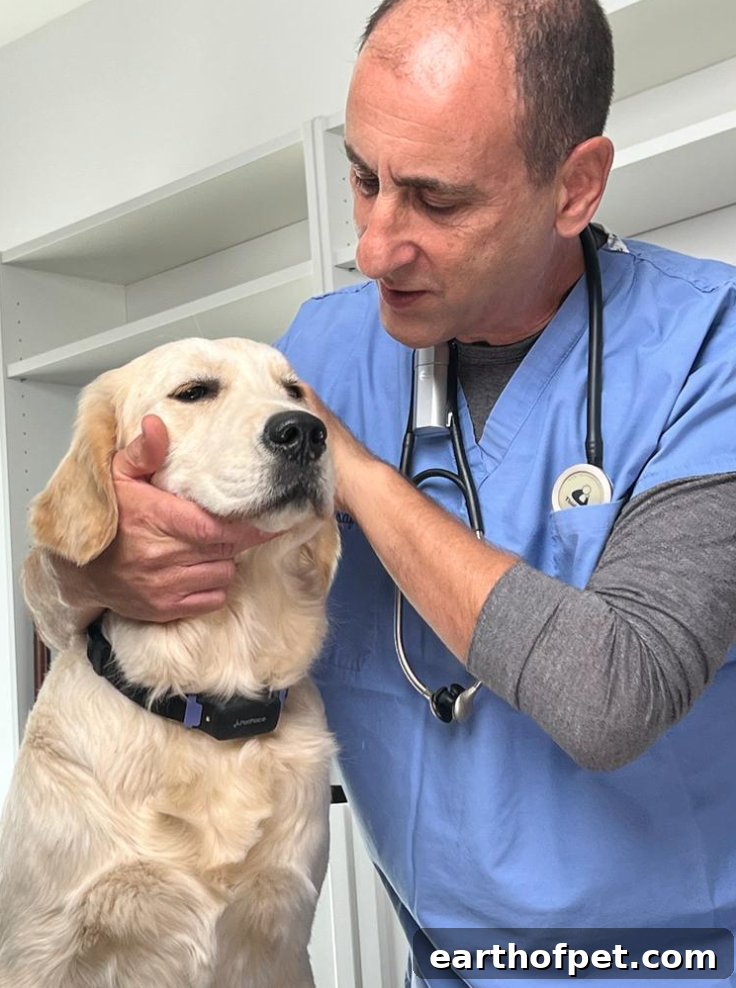
Owners provide essential information about their dog’s behavior and daily routine, but pets often behave differently at the clinic. Gaps between home observations and clinic exams can make it harder to form a complete health picture. Continuous monitoring tools can complement owner reports by offering objective data on activity, sleep, and vital signs that may help veterinarians catch subtle changes earlier.
Advances in Home Monitoring: PetPace Health 2.0
Innovations in pet health monitoring, such as PetPace Health 2.0, are designed to give owners and veterinarians a clearer, ongoing view of a dog’s well-being. PetPace provides noninvasive, real-time insights into vitals and behavior that can highlight trends between clinic visits. While such technology does not replace regular veterinary care, it can enhance preventive strategies and support better-informed conversations with your vet.
In summary, the best schedule for vet visits depends on your dog’s life stage, breed, size, and health status. Puppies need frequent attention, healthy adults typically require annual wellness checks, and senior or medically complex dogs often need exams every six months. Combine regular vet care with attentive home observation and, if appropriate, continuous monitoring tools to keep your dog healthy and thriving.