First Time Kitten Owner
Bringing a new kitten into your home is an exciting milestone. Their playful energy, tiny paws, and soft purrs bring a lot of joy, but caring for a kitten also brings responsibility. If this is your first time as a kitten owner, it’s normal to feel overwhelmed. This guide will walk you through the essential steps—from preparing your home and supplies to veterinary care and socialization—so your kitten can thrive in its new environment.
Use this guide and checklist to prepare, and you’ll be well-equipped to welcome your kitten with confidence and care.
1. First-Time Kitten Owners Checklist
Gathering the right supplies before your kitten arrives helps the transition go smoothly. Keep everything accessible in one room at first so your kitten has a calm, familiar space to explore.
Essential kitten supplies:
- Comfortable Bed: A cozy, warm bed gives your kitten a secure place to sleep and rest during their first weeks at home.
- Food and Water Bowls: Choose shallow, stable bowls that are easy for a small kitten to use. Stainless steel or ceramic bowls are durable and easy to clean.
- Litter Box and Litter: Start with a small, low-sided litter box so your kitten can easily get in and out. Try a small amount of a few litter types to learn your kitten’s preference.
- Scratching Post or Pad: Scratching is a natural behavior that helps kittens exercise and keep nails healthy. Provide a sturdy scratching post to protect furniture.
- Toys: Provide a variety of toys—interactive wands, small balls, and plush toys—to encourage play, exercise, and mental stimulation.
- Brush or Comb: Choose a brush suited to your kitten’s coat to remove loose fur and prevent tangles and hairballs.
- Cleaning Supplies: Accidents happen. Keep pet-safe cleaning products and paper towels on hand for quick cleanups.
- Treats: Healthy treats are useful for training and bonding. Offer a few different varieties to discover which your kitten prefers.
2. Choose The Right Nutrition & Encourage Hydration
Kittens need a diet formulated specifically for growth. Look for kitten-formulated food that provides higher levels of protein, essential fats, and calories needed for healthy development. If you choose premium or specialized recipes, ensure they meet recognized nutrition standards for kittens.
Adding a high-quality wet food or wet food topper can boost hydration and add variety to meals. Wet food can be especially helpful for kittens who need extra moisture in their diet.
Always provide fresh water. Many cats prefer moving water, so a pet water fountain can encourage more frequent drinking, which supports overall health. Keep food and water bowls cleaned daily to prevent contamination and encourage consistent eating and drinking habits.
3. Schedule Regular Veterinarian Visits
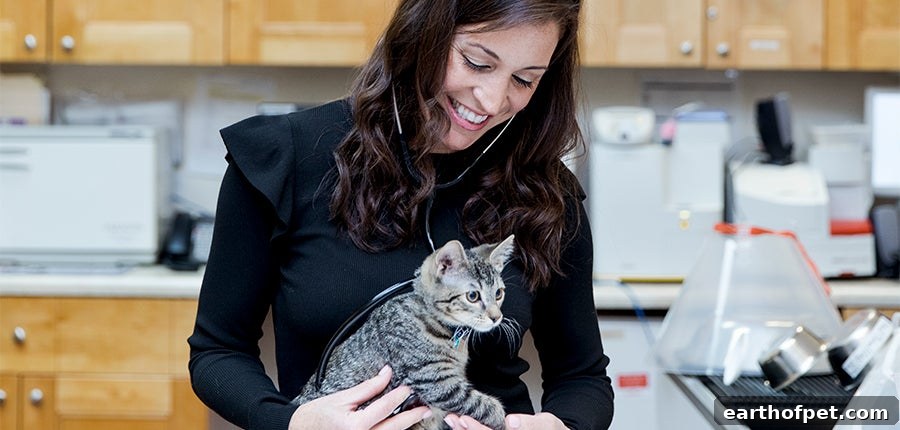
Make an appointment with a veterinarian as soon as possible—preferably before or immediately after bringing your kitten home. Early veterinary care is critical for screening for infectious diseases, starting vaccinations, and establishing a parasite prevention plan.
Your veterinarian will also advise on spaying or neutering timelines, microchipping, and nutrition tailored to your kitten’s breed, age, and health status. Use these visits to ask questions about behavior, litter box habits, and any concerns you notice early on. A veterinarian is your best source for personalized medical guidance.
4. Kitten-Proof Your Home
Keep your kitten safe by confining them to a single, quiet room while they acclimate. Equip that room with a bed, litter box, food and water, and a few toys. This controlled introduction reduces stress and helps you supervise their first interactions with your home.
Remove or secure hazards: hide electrical cords, lock away toxic plants and chemicals, secure windows and balcony doors, and store small items that could be swallowed. Keep houseplants out of reach and check that cleaning products and human medications are inaccessible.
Indoor life is generally safest for cats. If you want your kitten to experience the outdoors, use a properly fitted harness and leash so outings are supervised and secure.
5. Introduce Other Pets Slowly
When introducing a kitten to resident pets, take it slow. Begin by allowing animals to exchange scents—swap bedding or towels between them. Next, allow visual contact through a closed door or baby gate before moving to supervised, face-to-face meetings.
With dogs, keep the dog on a leash and under control for initial meetings. Monitor body language closely and separate the animals if either seems stressed. Gradual, positive introductions over days or weeks reduce the risk of fear-based reactions and support peaceful coexistence.
If introductions are difficult, consult a professional trainer or behaviorist for tailored strategies that prioritize safety and gradual progress.
6. Start Grooming Young
Introduce grooming early so your kitten becomes comfortable with brushing, nail trims, and gentle handling. Regular grooming removes loose fur, reduces hairballs, and supports a healthy coat. Use a gentle brush and short, positive sessions, rewarding calm behavior with praise or a small treat.
7. Take Time to Bond
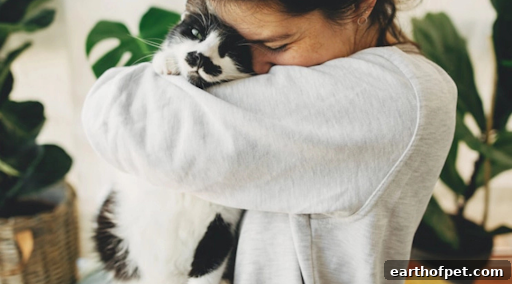
Bonding with your kitten is one of the most rewarding parts of pet ownership. Spend time playing daily with interactive toys, offer gentle petting, and create quiet moments together. Consistent, positive interactions build trust and establish lifelong companionship.
Welcoming a kitten is the start of a wonderful relationship. By preparing your home, providing proper nutrition, scheduling veterinary care, and introducing pets and grooming gradually, you’ll set your kitten up for a healthy, happy life. Use this checklist as a guide, and enjoy the many joyful moments ahead with your new feline family member.