Working From Home With Pets
Adjusting to working from home with a pet can be a mix of joy and challenge. On the positive side, you get the comfort of home, flexible hours, and a loyal companion nearby. At the same time, pets introduce interruptions and new routines that can affect focus and productivity. This guide offers practical, pet-friendly strategies to create a calm, productive home office where both you and your companion thrive.
Below are clear, realistic tips to help you establish boundaries, set a daily rhythm, and keep your pet content while you work.
1. Create A Dedicated Workspace
Whenever possible, designate a specific area for work. A separate room with a door is ideal because it gives you a clear physical boundary and signals to your pet that this is your work zone. If a separate room isn’t available, choose a consistent spot—an elevated table or a defined corner—so your pet learns where you’ll be during work hours. A baby gate, crate, or pet playpen can also help keep high-energy animals from disrupting cables, papers, or your keyboard.
Make your workspace comfortable for both of you: keep a mat or small bed nearby, provide water, and remove hazards such as cords within easy reach. The goal is a predictable, safe environment that reduces impulse interruptions.
2. Separate Work Time vs. Play Time
Pets do best with clear routines. Distinguish between focused work periods and interactive time by setting consistent signals—closing a door, putting on headphones, or turning on a desk lamp. Before you start a long work block, give your pet an opportunity to burn off energy through a walk or play session so they’re more likely to relax during your meeting.
Schedule regular short breaks—5 to 15 minutes—to stretch, refresh, and check in with your pet. During those breaks, offer attention, play, or a quick walk so your interaction becomes predictable for them and doesn’t interrupt deep work.
3. Set A Routine & Schedule
Structure benefits both productivity and pet well-being. Create and stick to a daily schedule that includes start and stop times, meals, exercise, and rest. Consistency helps reduce anxiety and unwanted behaviors.
- Meals: Keep feeding times consistent. Feeding before you begin work can help prevent early-day interruptions and gives you a clear starting point for your schedule.
- Walks and Exercise: For dogs and high-energy pets, schedule at least one good walk or play session during the day. This not only helps them expend energy but also gives you a natural break to recharge.
Use reminders or calendar alerts for breaks and walks so both your productivity and your pet’s needs are met without having to constantly decide on the spot.
4. Try Treat Tricks
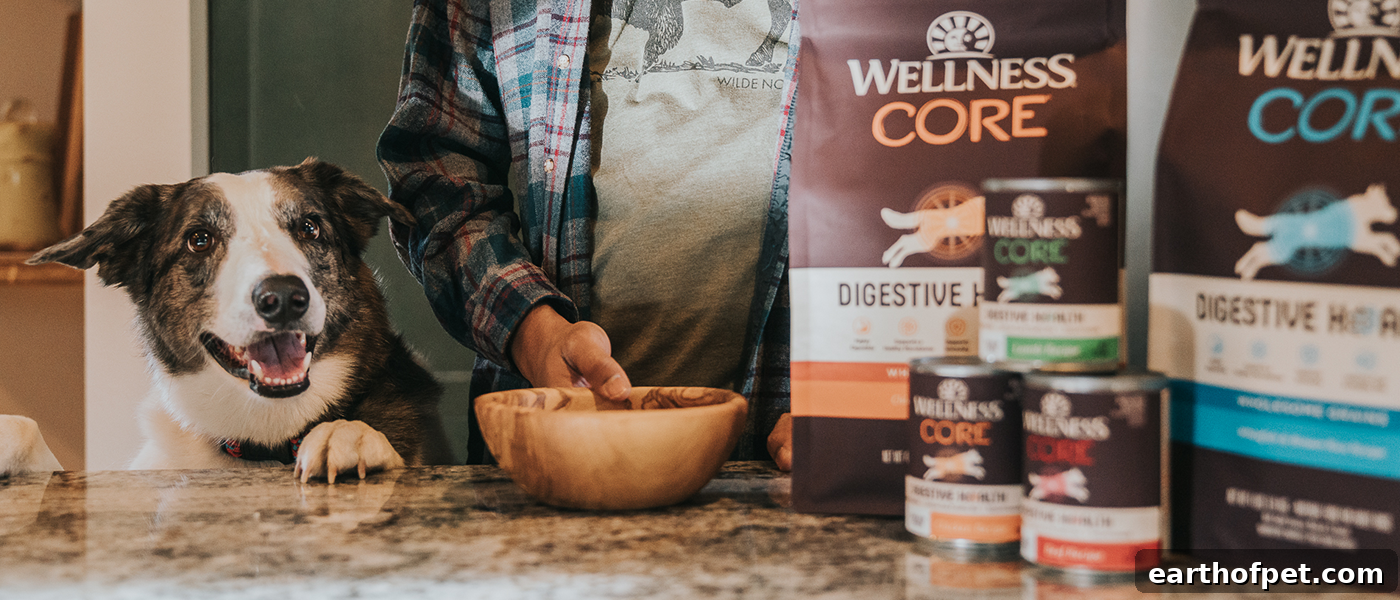
Treats are a useful tool for keeping a pet occupied, but they can be overused. Measure treats or use a portion of their daily kibble so you don’t unintentionally increase their calorie intake. Consider slow-digesting options such as puzzle feeders, stuffed toys, or long-lasting dental chews to keep them engaged for longer periods.
Keep a small container of treats or food puzzles at your desk and maintain a quick tally so you can track portions. Specialty daily dental chews can serve dual purposes—providing a chew outlet while supporting oral hygiene—but always check ingredients and feeding guidance for your pet.
5. Encourage Creature Comforts
Many pets simply want to be near you without interrupting your work. Move their bed, favorite blanket, or a cozy mat into your workspace so they can lounge nearby. Background white noise or soft music can help calm anxious pets, and having familiar toys available prevents boredom-driven mischief. Make sure water is accessible and the temperature in your workspace is comfortable for your pet.
6. Don’t Give In
When your pet tests boundaries—by whining, pawing, or nudging—remain consistent. Yielding to attention-seeking behaviors reinforces them over time. Instead, reward calm, independent behavior with treats, praise, or petting during scheduled breaks. Use the same signals and rules every day so your pet learns what to expect.
If you find repeated disruption is interfering with work, consider brief training sessions outside work hours to teach cues like “settle,” “place,” or “stay calm.” Positive reinforcement and a steady routine go a long way toward building reliable habits.
Finally, be patient. Transitioning to a new daily rhythm takes time for both you and your pet. If your schedule changes or you have heavy workdays, short-term solutions like a pet sitter, dog walker, or a session of daycare can provide necessary activity and socialization. With consistency, sensible routines, and plenty of patience, working from home with a pet can be an enjoyable arrangement that benefits your well-being and productivity.