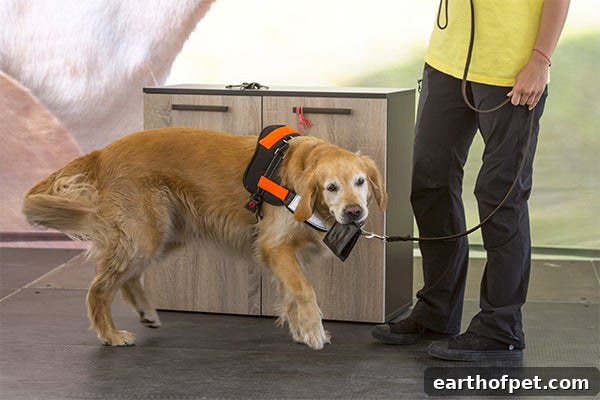
When a service dog ran up to a woman on a busy street, she instinctively tried to shoo it away. The dog’s owner, meanwhile, appeared to be in distress. Fortunately, the situation wasn’t a life-threatening medical emergency; in some cases, distracting a working dog could have fatal consequences for the person relying on it. August 5–11 is International Assistance Dog Week, an ideal time to refresh what assistance dogs do and how the public should safely and respectfully interact with them.
1. What Assistance and Service Dogs Do
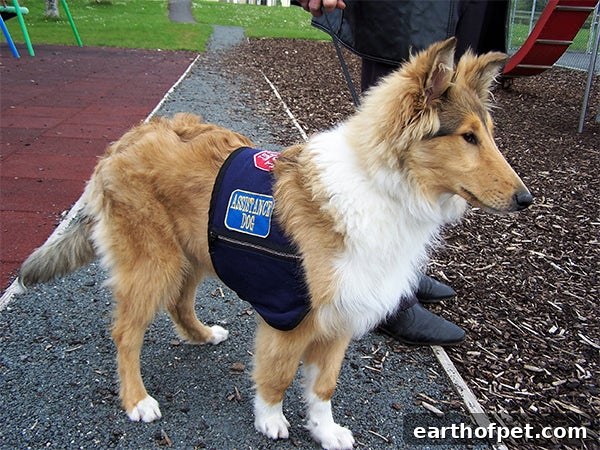
Assistance dogs are highly trained animals taught to perform specific tasks that enable their handlers to live safely and independently. Their work can range from everyday support to life-saving interventions. Knowing the kinds of tasks these dogs perform helps the public understand why they must never be distracted while on duty.
- Open doors, pull levers, and operate simple mechanisms to aid mobility and access.
- Retrieve dropped or out-of-reach items and carry essential supplies in a backpack.
- Alert someone to danger—such as smoke, fire, or other immediate hazards—or lead a person to safety.
- Bring a phone, press buttons, or otherwise summon emergency help when the handler is incapacitated.
- Find and lead responders or other people to a handler who needs assistance.
- Provide physical support for balance and mobility, including bracing and guided walking.
- Perform psychiatric service tasks: grounding during anxiety or panic attacks, redirecting attention from harmful impulses, and identifying triggers to help their handler avoid crises.
- Communicate with their handler by nudging, pawing, barking, or positioning themselves to gain attention when needed.
Because these behaviors are essential to a handler’s safety and independence, seeing a service dog—even without its handler nearby—should prompt awareness and, when appropriate, immediate action.
2. Ask Before You Touch or Distract the Dog
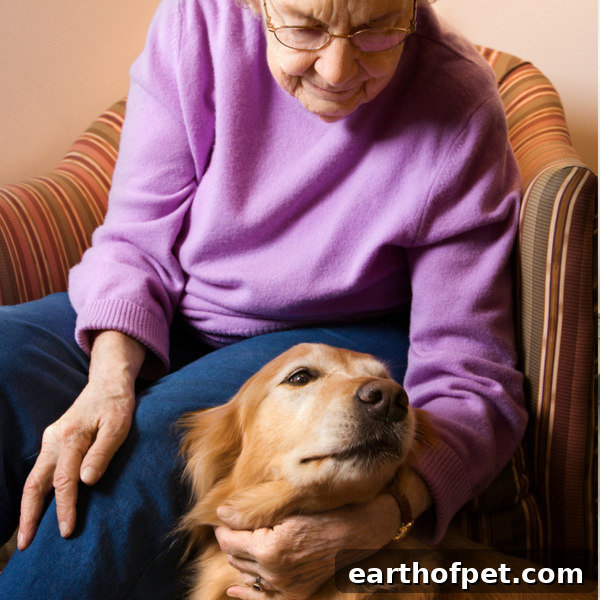
It is natural to want to pet or praise a friendly-looking dog, but doing so without permission can interfere with critical work. Service dogs are usually on duty and trained to maintain focus. If you see a service dog and feel compelled to interact, speak to the handler first and get explicit permission. If the handler declines, respect that decision immediately.
3. Speak to the Handler, Not the Dog
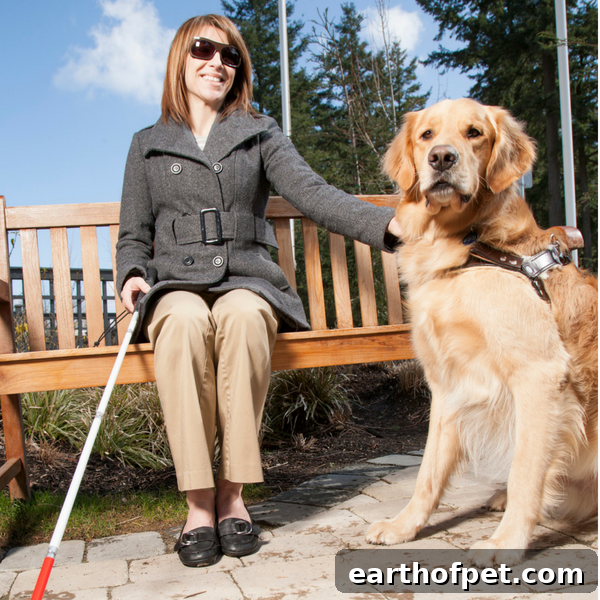
When you need to address a team with a service dog, direct your conversation to the person. Talking to the dog, calling its name, or using playful tones can draw its attention away from its task and endanger the handler.
4. Do Not Feed a Service Dog
Offering food, treats, or chew items to a service dog is another distraction that can compromise training and effectiveness. Even if you carry dog-friendly snacks, resist the urge to feed an unfamiliar working dog. These animals are cared for and fed according to plans set by their handlers and trainers to support consistent behavior and health.
5. Keep Your Pet Under Control Around Service Dogs
Interactions between unfamiliar dogs are unpredictable. If your dog approaches a service dog, keep control of your pet and ask the handler whether a brief, supervised greeting is acceptable. If the handler says no, honor that request without argument. Allowing pets to jump, sniff, or crowd a service dog interferes with work and can create stressful or unsafe situations.
6. Don’t Be Upset to See a Service Dog in Public Spaces
Some people feel uncomfortable when they spot a dog in places where animals are usually restricted, such as restaurants, stores, or public transit. Service dogs are legally permitted in many of these spaces because they are performing necessary functions for their handlers. These dogs are trained to remain calm and non-disruptive; the appropriate response is to treat the team as you would any other person and give them space.
7. If a Service Dog Appears Without Its Handler, Follow It
The one occasion to break the “don’t follow” rule is when a service dog is alone. An unattended, working dog approaching you likely indicates an emergency. In that case, stay calm, follow the dog, and be prepared to assist the person it leads you to or to call emergency services. Acting quickly and respectfully could make the difference between a resolved incident and a life-threatening situation.
Service and assistance dogs play a vital role in many people’s daily lives. Observing simple etiquette—asking permission before interacting, speaking to the handler, keeping other pets under control, and responding to an unattended service dog—helps keep both the handler and the dog safe. Dogs are remarkable companions, and companies like Wellness Pet Food support lifelong pet health by producing high-quality nutrition for animals who enrich our lives.