Ginger Cat Appreciation Day is celebrated in September, but any day is a good day to honor these charming, often overlooked felines. From comic-strip icons like Garfield, with his mischievous, food-loving personality, to the playful, thoughtful Hobbes of Calvin and Hobbes, orange cats have long captured our imagination. Below are five reasons why ginger cats—also known as orange tabby cats—are so special, along with helpful information about their looks, genetics, and personalities.
Their coloring
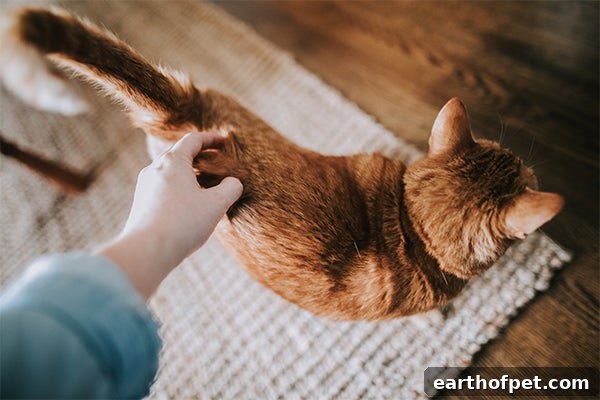
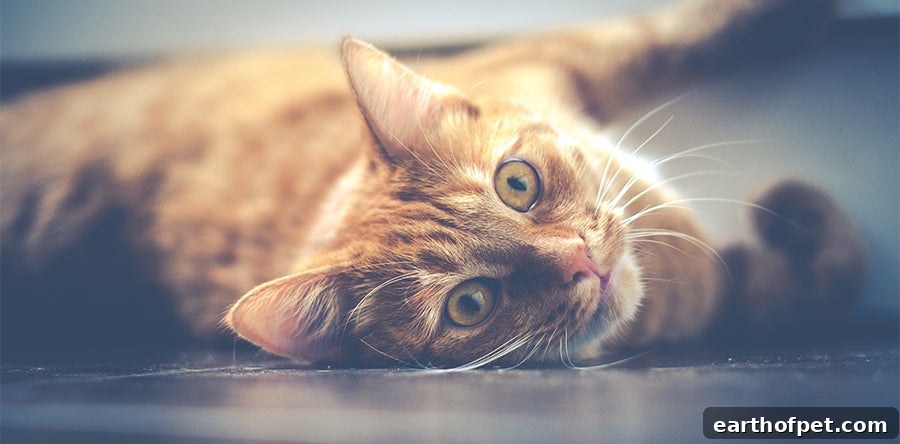
Ginger cats display a range of warm hues, from pale yellow to deep orange and rich red. The orange tone comes from the pigment pheomelanin, and the concentration of this pigment determines how vivid the coat appears. Variations in lighting and individual fur texture can also affect how a cat’s color reads, so two ginger cats can look quite different even when closely related.
Their gender
Ginger cats are more commonly male than female, a pattern that comes from genetics. The gene that produces orange coloring lies on the X chromosome. Females, having two X chromosomes, usually need two copies of the orange gene to express a full ginger coat, while males need only one. As a result, orange males outnumber orange females in many populations. When both parents are orange, their kittens are more likely to be orange as well.
Their personalities
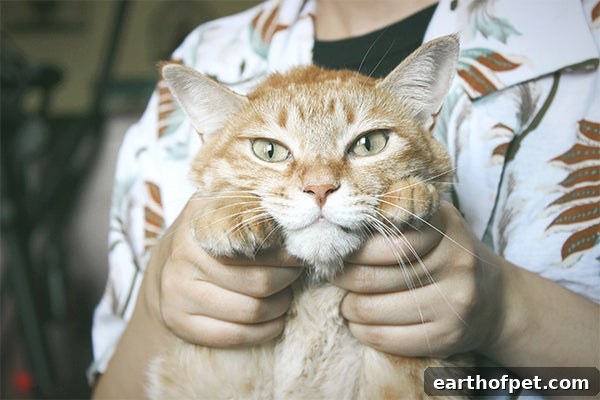
Personality in cats is shaped most strongly by early socialization, environment, and individual temperament, but many owners report subtle trends related to coat color. Anecdotally, male ginger cats are often described as outgoing, vocal, and energetic, while female ginger cats may seem calmer and more reserved. These are general impressions rather than strict rules—every cat is unique—but orange tabbies frequently make affectionate, engaging companions.
Their coat patterns
Orange coats appear in several tabby patterns. The most common pattern types are classic (swirled), mackerel (striped), spotted, ticked, and patched. Each pattern gives a distinctly different look: classic tabbies show bold swirls, mackerel tabbies have narrow stripes, spotted tabbies display broken stripes or spots, ticked tabbies have banded hairs that produce a salt-and-pepper appearance, and patched tabbies combine orange with other colors in irregular patches. These pattern variations contribute to the wide diversity of appearances among ginger cats.
They are all considered tabby cats
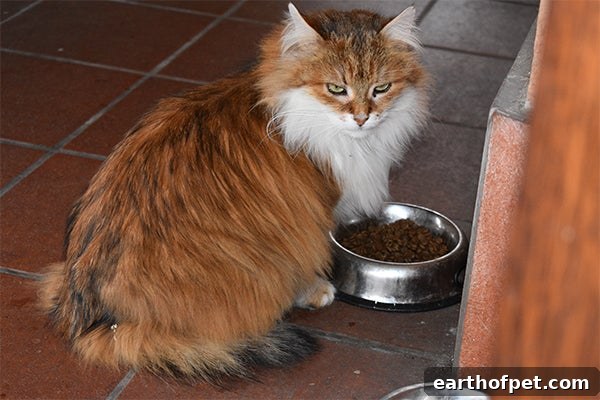
All ginger cats are tabbies because they carry the agouti patterning that produces the characteristic tabby markings. That said, not every tabby is orange—tabby describes a pattern, not a color. A classic sign of a tabby is the distinctive “M” marking on the forehead, and because of their striping or mottling, tabbies are often affectionately compared to miniature tigers.
Note: The higher prevalence of males among ginger cats is linked to how the orange trait is inherited on the X chromosome. Males require a single copy of the orange gene to express the trait, while females typically need two.
Ginger cats combine striking coloration, varied patterns, and often personable temperaments to create some of the most beloved feline companions. Whether you’re drawn to their sunny coloring, their playful antics, or their loyal companionship, orange tabby cats make memorable pets.
Do you have a ginger cat? Share your stories and photos on Instagram by tagging @wellnesspetfood and using #Wellnesspetfood for a chance to be featured on social media or the brand’s website.