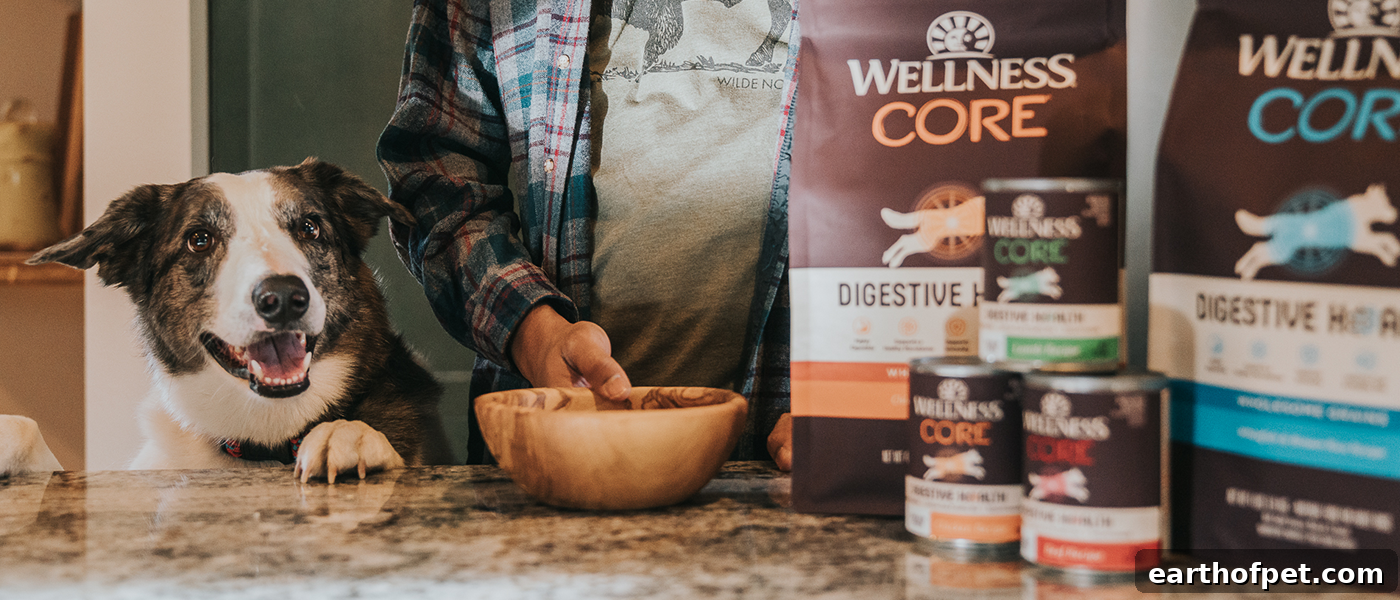
Feeding your dog a balanced, nutritious, and enjoyable diet is one of the most important responsibilities of a caring pet owner. Whether you are welcoming a new puppy into your home or reassessing the diet of an older companion, thoughtful choices about their food can improve health, energy, digestion, and longevity. Below are five practical tips to help you choose the best dog diet for your canine friend.
Why You Might Be Thinking About Your Dog’s Diet
There are many reasons owners revisit their dog’s diet. Common situations include:
- Bringing a newly adopted dog into the family
- Considering a switch in food brands or formulas
- Managing a picky eater
- Exploring new diet approaches
- Adapting to life changes such as aging or dental loss
- Addressing digestive issues, appetite changes, or other health concerns
- Helping a dog lose weight or improve overall nutrition
Whichever situation applies, the tips below will help you make informed choices about your dog’s nutrition.
Five Tips To Achieve The Best Dog Diet
1. Read and Understand the Nutrition Label
Before purchasing food, study the nutrition label. Ingredients are listed by weight from highest to lowest, so ingredients at the top make up the bulk of the formula. Look for high-quality protein as one of the first ingredients and recognizable whole-food ingredients. Pay attention to guaranteed analysis and nutrient levels to ensure the food is labeled “complete and balanced,” which means it meets established nutrient profiles for dogs.
Adult dogs typically require a diet that includes:
- Quality protein for muscle maintenance
- Essential vitamins and minerals
- Prebiotic fibers and probiotics to support digestion
- Appropriate carbohydrates for energy
- Essential fatty acids for skin, coat, and brain health
Exact nutrient needs depend on your dog’s age, size, activity level, and health status—consult your veterinarian for personalized guidance.
2. Choose Food Appropriate for Your Dog’s Life Stage
Puppies, adult dogs, and seniors have different nutritional requirements. Selecting a life-stage-specific formula helps ensure your dog receives the right balance of calories and nutrients.
- Puppies: Young dogs need higher calories and protein to support growth and development. Choose a puppy formula designed for healthy development.
- Adult dogs: Dogs between approximately one and seven years of age typically need food that helps maintain healthy weight and lean muscle mass.
- Seniors: Dogs over seven often benefit from formulas that support joint health and maintain weight without excess calories, as well as nutrients that support overall vitality.
Selecting the correct life-stage formula helps keep your dog active and healthy as they age.
3. Consider Size, Breed, and Activity Level
Size, breed, and daily activity strongly influence nutritional needs. Factors to consider include:
- Small or toy breeds: Often prefer smaller kibble and may require calorie-dense recipes in smaller portions.
- Large breeds: Need controlled calories and joint-supporting nutrients to help prevent excessive weight gain and reduce stress on growing and aging joints.
- Active and working dogs: Athletes or highly active dogs typically require higher protein and fat to support energy demands and lean muscle mass.
A food tailored to your dog’s size and lifestyle will better support long-term health. Talk with your veterinarian to determine the best option for your dog’s specific needs.
4. Know the Main Diet Options
Understanding the common diet types will help you choose the best match for your dog’s needs:
- Wholesome grains: Formulas with grains like oats, barley, or rice provide fiber, antioxidants, and steady energy. These can be a good option for many dogs without grain sensitivities.
- Grain-free: Grain-free recipes replace grains with alternative carbohydrate sources such as vegetables. These can be appropriate for dogs with grain sensitivities but are not necessary for every dog.
- High-protein: Designed to support lean muscle and higher activity levels. These formulas can be useful for athletic dogs when balanced for overall nutrition.
- Digestive health formulas: Contain prebiotics, probiotics, and digestive enzymes to support a healthy gut and easier digestion for dogs with sensitive stomachs.
Choosing between these options depends on your dog’s digestive tolerance, allergies, and activity level. If your dog has specific health concerns, consult your veterinarian before switching diets.
5. Balance Nutrition with Your Dog’s Taste and Texture Preferences
The best diet is one your dog will actually eat consistently. Keep these practical points in mind:
- Flavor: Dogs may prefer chicken, beef, fish, or turkey—try different proteins if your dog is selective.
- Texture: Some dogs prefer crunchy kibble, others like pate or chunks in gravy. If chewing is difficult, moisten kibble or choose softer options.
If needed, use tasteful toppers or mixers to increase palatability and nutrition—plain cooked vegetables, eggs, or a spoonful of yogurt can be occasional enhancements. For dogs with sensitive digestion, opt for toppers designed to support gut health. Always introduce new foods gradually and monitor for digestive changes.