Just like physical activities such as fetch and tug-of-war, playing brain games with your dog is an important part of raising a healthy, well-adjusted puppy. Mental stimulation is an excellent outlet for excess energy, helps teach self-control, and can reduce or prevent many common behavioral problems. These activities are enjoyable for both you and your pet and help strengthen the bond you share.
Whether your dog is large or small, young or old, high-shedding or hypoallergenic, most dogs enjoy engaging games that challenge their minds. Below are five of the best brain games to teach your dog, with practical tips to keep them fun, safe, and rewarding. Don’t be surprised if your dog surprises you with how quickly they learn!
1. Hide and seek
Hide and seek is a versatile indoor game that’s perfect for rainy days and a great activity the whole family can join. Begin by having one person hold the dog while another quietly finds a hiding spot where the dog can’t see them. Call your dog’s name and encourage them to find you. When they do, give enthusiastic verbal praise and a small treat.
To progress the game, have multiple family members hide in different locations and call the dog to each person. This game is not only fun but also a valuable way to practice recall in a playful, low-pressure setting. Keep sessions short and positive; end while your dog is still engaged to build lasting enthusiasm for the game.
2. Treasure hunt
A treasure hunt stimulates your dog’s natural scenting abilities and can be played indoors or in the yard. Use toys or small treats as “treasures,” placing them in easy-to-find locations at first—on a chair, behind a curtain, or on a low step. As your dog becomes more proficient, increase the difficulty by hiding treats under rugs, inside boxes, or lightly buried in a sandbox or soft mulch.
If your dog struggles, use stronger-smelling rewards and support them with encouraging cues. Praise them when they succeed. This activity taps into your dog’s keen sense of smell and builds confidence, patience, and problem-solving skills.
3. Sand pit
Many dogs, particularly terrier-type breeds, enjoy digging. A supervised sand pit provides a safe place to satisfy that instinct. Use a shallow, contained pit and fill it with clean play sand. Bury toys or treats just beneath the surface, cue your dog to “dig,” and let them search for the reward.
Always supervise closely to prevent ingestion of sand. Keep treats small and limit the length of each session to prevent overexcitement. With practice, dogs often become quicker and more focused, turning the sand pit into a reliable enrichment activity.
4. Hoops
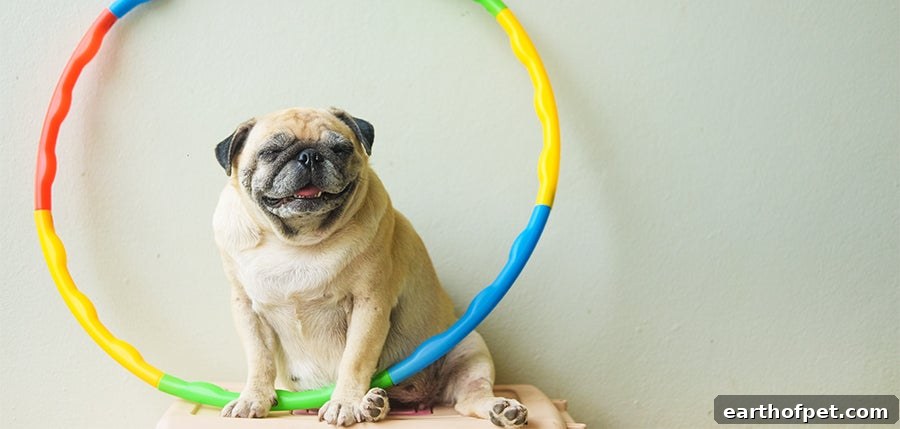
Teaching your dog to go through a hoop is a fun way to build coordination, confidence, and focus. Start with a hula hoop large enough for your dog to walk through. Lay it on the ground and allow sniffing and investigation. Then hold the hoop upright with the bottom touching the ground and lure your dog through with a treat while using a cue such as “hoop” or “through.” Reward immediately when they pass through.
Once your dog is comfortable walking through, raise the hoop only a few inches at a time so they learn to jump safely. Progress gradually and keep jumps low to avoid strain, especially for puppies and older dogs. This activity is adaptable to skill level and can be a fun part of an agility-style routine.
5. Muffin tin madness
This simple puzzle requires only a muffin tin and a few tennis balls or similar covers. Place small treats in some of the muffin cups and cover them with balls. Your dog must sniff and remove the balls to reach the treats. Start with fewer balls and more treats so the concept is clear, then increase the challenge by filling more cups with covers while reducing visible rewards.
This game works best for food-motivated dogs. If your dog prefers toys, try using toy rewards that they anticipate. Always supervise to ensure safe play and to encourage the desired problem-solving behavior.
Summary
These five games—hide and seek, treasure hunt, sand pit, hoops, and the muffin tin puzzle—highlight natural canine talents like scenting, digging, and jumping while providing valuable mental exercise and confidence-building experiences. Use small, healthy treats, keep sessions short and positive, and adapt difficulty to your dog’s age and physical condition. Regular mental enrichment can reduce boredom and unwanted behaviors and will deepen the connection between you and your dog. Have you tried any of these activities with your pup? Share your experiences on social media like Instagram, Twitter or Facebook and celebrate your dog’s cleverness.