January is National Train Your Dog Month, a perfect time to begin or refresh your dog training routine. Whether you welcomed a new puppy into your home this year or you have an older dog that can still learn new behaviors, basic obedience builds safety, confidence, and a stronger bond. No matter your dog’s age, breed, or temperament, three core commands—sit, stay, and come—are essential. They’re not just party tricks; they’re foundational skills that keep your dog safe, calm, and well-mannered in everyday life.
Sit

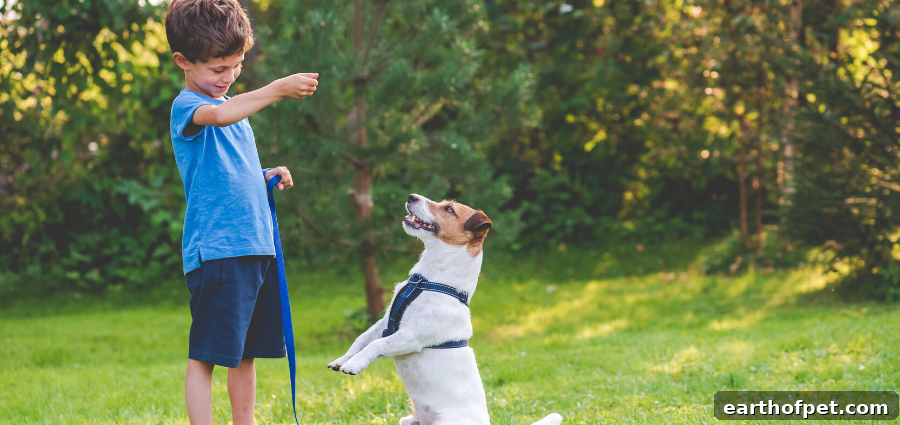
“Sit” is often the first command owners teach because it’s simple and immediately useful. Teaching your dog to sit establishes structure and helps them learn to control impulses. A seated dog is easier to manage during greetings, vet visits, grooming, or when you need them to stay out of danger—such as holding position at a busy street corner. Use positive reinforcement: hold a small, tasty treat near your dog’s nose, move it slowly up and back so their bottom naturally lowers, and say “sit” as they complete the motion. Reward immediately and repeat in short sessions. Consistency and clear timing turn this into a reliable behavior.
Stay

Teaching “stay” keeps your dog safe and prevents impulsive behavior. A dependable stay can protect your dog in potentially risky situations—crowded rooms, doorways when guests arrive, traffic, or when meeting children and other animals. Start with short intervals: ask your dog to sit, present an open palm as a visual cue, say “stay,” then step back one pace. If they remain, return immediately and reward. Gradually increase the distance and duration, and practice in different places to generalize the behavior. Remember that “stay” must mean staying until you release them—teach a clear release word like “okay” or “free” so your dog understands when the exercise is complete.
Come

“Come” is one of the most important recall commands for your dog’s safety. A reliable recall keeps your dog out of hazardous situations and prevents them from running off in public spaces. Start training in a quiet, secure area with minimal distractions. Use an enthusiastic tone, crouch to appear inviting, and call your dog’s name followed by “come.” Reward with high-value treats or a favorite toy the moment they reach you. Never punish a dog for returning—make coming to you the best option every time. Gradually add distractions and increase distance so your dog learns to respond in real-world settings like parks or near roads.
Training tips that improve success: keep sessions short and frequent (5–10 minutes, several times a day), practice in a variety of locations, use high-value treats and praise, and be patient and consistent. Clicker training or marker words like “yes” can help pinpoint the exact moment you want to reward. Always end sessions on a positive note so your dog looks forward to training.
Beyond these three core commands, you can expand to behaviors such as “down,” “leave it,” “heel,” and fun tricks that stimulate your dog mentally. However, sit, stay, and come form the backbone of everyday safety and good manners. They help your dog navigate busy environments, manage excitement during greetings, and respond calmly in unexpected situations.
Positive reinforcement and predictable routines make training enjoyable for both you and your dog. With consistent practice, short sessions, and the right rewards, your dog can master these essential commands. Training deepens trust, improves safety, and makes life together more relaxed—so start small, stay patient, and celebrate each success along the way.