Pet Anxiety
Pets experience anxiety much like people do. Recognizing that your dog or cat can feel fear, stress, and emotional discomfort is the first step toward helping them. Beyond proper nutrition and exercise, pets benefit from thoughtful mental and emotional care. Common forms of anxiety in pets include general fearfulness, separation anxiety, and anxiety related to aging or health issues. Understanding the signs, causes, and treatments for pet anxiety will help you create a safer, calmer environment for your companion.
1. Recognize The Symptoms of Pet Anxiety & Stress
To manage pet anxiety effectively, learn to recognize the common signs that your dog or cat is stressed. Symptoms can be subtle or obvious and may include:
- Fidgeting or restlessness: constant shifting, unable to settle
- Repetitive behaviors: licking, chewing, circling, or pacing
- Pacing: walking back and forth without a clear purpose
- Destructive behavior: chewing furniture, scratching doors, or digging that is out of character
- Excessive panting or drooling: signs of acute stress, particularly in dogs
- Changes in bathroom habits: accidents in the house or reluctance to use the litter box
Because these signs can also indicate medical problems, always discuss new or persistent behaviors with your veterinarian to rule out underlying health issues.
2. Identify The Source of The Stressor
When you notice anxiety signs, work to identify what changed in your pet’s environment or routine. Common triggers include new people or animals in the home, changes to the owner’s schedule, moving house, loud noises, or a new baby. Keep a log of when symptoms appear and what events preceded them; this helps you and your veterinarian pinpoint likely causes and develop a plan to address them.
3. Address The Issue
Many stressors can be treated with behavioral strategies. Counter-conditioning and desensitization are effective for common triggers such as meeting new dogs, being around strangers, or reacting to thunderstorms. These approaches gradually change your pet’s emotional response through controlled exposure and positive reinforcement. Progress can be slow, so it requires patience, consistency, and often guidance from a professional trainer or veterinary behaviorist.
4. Avoid Triggers When Appropriate
Some triggers are best avoided rather than tolerated. Events like fireworks or prolonged car rides that cause intense fear may be situations you can minimize. For example, if your pet becomes severely anxious riding in a vehicle and only goes to the vet once or twice a year, plan for alternatives—like mobile vet services, at-home visits, or scheduling fewer trips. Use your judgment and your pet’s comfort level to decide when avoidance is the kinder choice.
5. Talk To Your Vet
Veterinarians can help determine whether medication, training, or a combination of both is appropriate. Prescription anti-anxiety medications and shorter-term anxiolytics can make behavior modification training more successful for some pets. Your vet will weigh the benefits, risks, and side effects and recommend options tailored to your pet’s age, health, and the severity of symptoms.
6. Natural Regimens
Many owners turn to natural remedies—like valerian root, chamomile, or herbal blends—in an effort to help anxious pets. While some animals may respond positively, these supplements are often less regulated and may interact with other medications. Always consult your veterinarian before trying any new supplement, and use products from reputable sources. Your vet can advise on safe dosages and monitor for side effects.
7. Experiment With Pheromone Therapy
Pheromone-based products are designed to mimic calming chemical signals and can reduce stress in many dogs and cats. These products—available as diffusers, sprays, or collars—have been used successfully during events like moving to a new home, vet visits, thunderstorms, and fireworks. Pheromone therapy is not a cure-all, but it can be a useful part of a broader anxiety-management plan.
8. Use The Healing Power of Touch
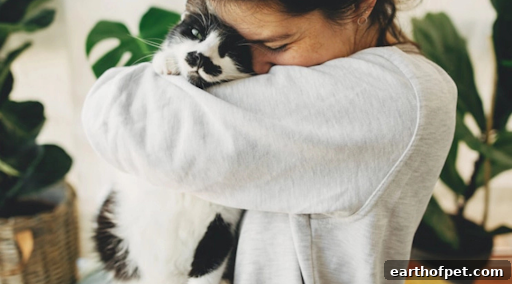
Calm, confident handling and gentle petting can reassure a distressed animal. Slow strokes, a steady voice, and physical closeness help many pets feel safer in unfamiliar or frightening situations. Pay attention to your pet’s body language; some animals prefer space and will become more anxious if held tightly, while others benefit from close contact.
9. Play Gentle Music
Soothing sounds can make a measurable difference for anxious pets. Classical music or specially designed music for animals, played before and during stressful events, can help lower arousal and make the experience more manageable. Experiment with volume and type of music to find what your pet responds to best.
10. Exercise and Eat Well
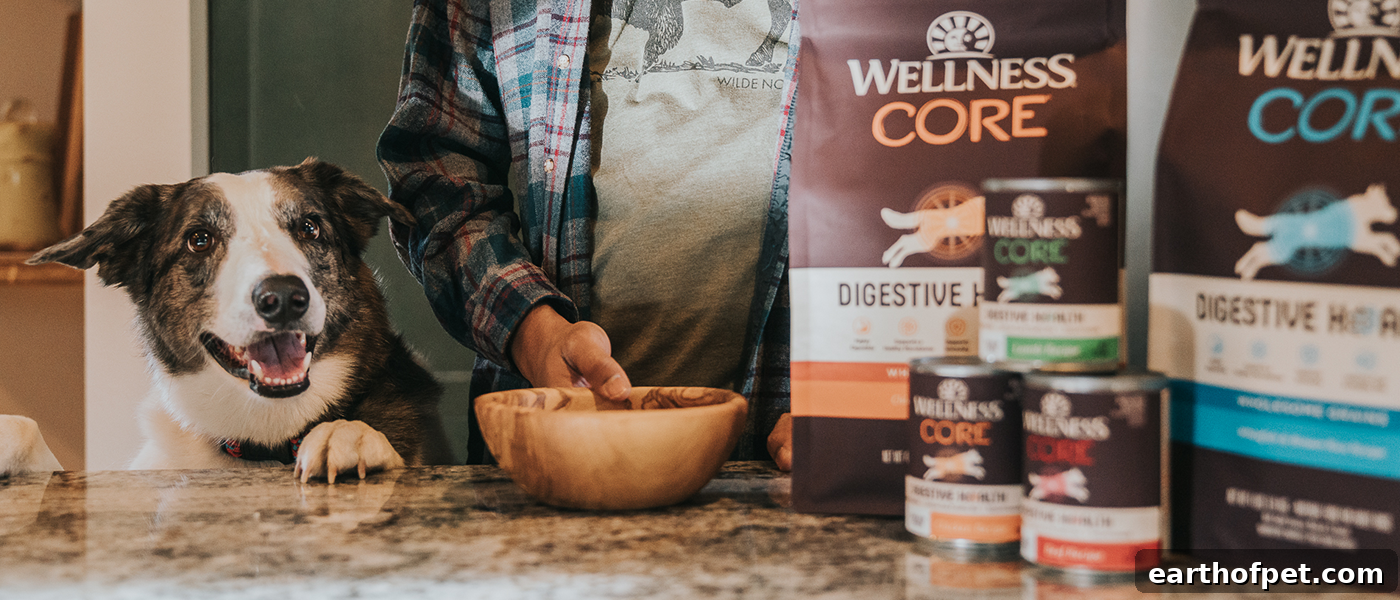
Regular exercise and a balanced diet contribute strongly to emotional resilience. Physical activity helps burn excess energy, reduces tension, and promotes better sleep—making pets less reactive to stressful situations. A nutritious diet supports overall health and provides the stamina needed for daily exercise and training. Work with your veterinarian to design an exercise and feeding plan appropriate for your pet’s age, breed, and health condition.
Pet anxiety is a common, treatable issue. By recognizing symptoms, identifying triggers, consulting your veterinarian, and combining behavior modification with appropriate therapies—whether medical, natural, or environmental—you can significantly improve your pet’s quality of life. Education and consistent care are essential to helping pets feel secure, confident, and relaxed.