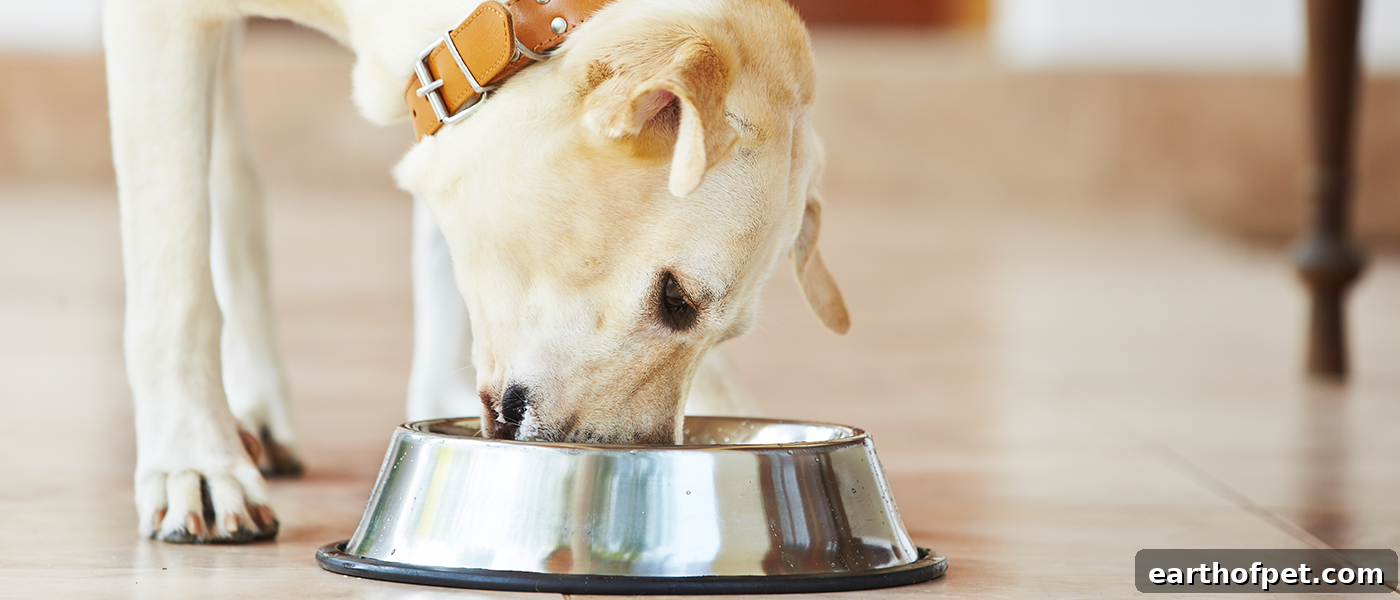
Every year many people resolve to eat healthier, but pets also benefit greatly from improved diets. Animals require balanced nutrition and consistent feeding habits for long-term health, energy, and quality of life. Pet diets are different from human diets, and even small disruptions to an established routine can create digestive problems or other health issues. Use these 10 practical reminders to keep your cat or dog on a healthy eating plan and promote a happier, longer life.
1. Read the Ingredients in Your Pet’s Food
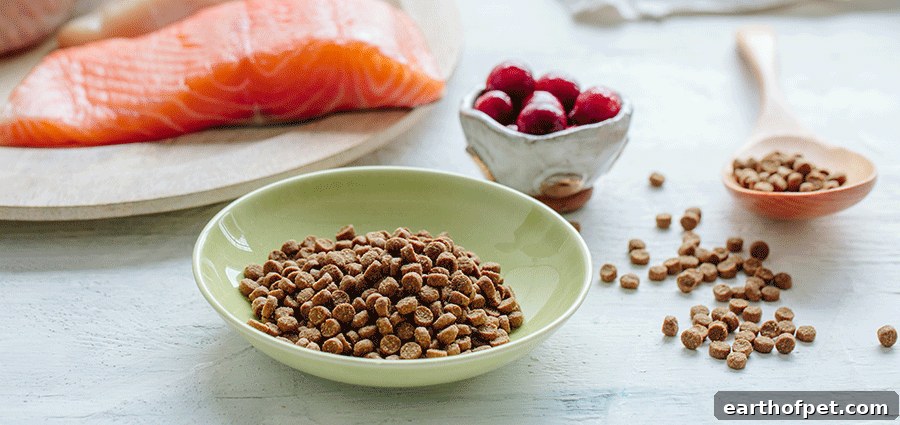
Start by checking the ingredient list on any pet food or treat package. The first ingredient should be a named meat source—chicken, beef, turkey, salmon, etc.—especially for cats and dogs who are primarily carnivorous. Higher-quality, clearly listed ingredients generally indicate a more nutritious formula. Avoid foods that rely heavily on ambiguous fillers such as “meat by-products” or unnamed “animal” ingredients.
2. Control Your Pet’s Food Portions
Portion control is essential for maintaining a healthy weight and preventing related conditions like joint strain, diabetes, or heart problems. Overfeeding is a common issue; underfeeding is less frequent but also harmful. Use portion guidelines as a starting point and adjust for your pet’s age, activity level, and metabolism.
- Cats
- Up to 5 lbs: about 1/4 to 1/3 cup of dry food per day.
- Around 10 lbs: about 3/8 to 1/2 cup per day.
- 15 lbs and above: about 1/2 to 3/4 cup per day.
- Dogs
- Toy breeds (3–6 lbs): about 1/3 to 1/2 cup per day.
- Small dogs (10–20 lbs): about 3/4 to 1 1/3 cups per day.
- Medium dogs (30–50 lbs): roughly 1 3/4 to 2 2/3 cups per day.
- Large dogs (60–100 lbs): around 3 to 4 1/2 cups per day, with about 1/4 cup adjustment per 10 lbs.
These are general recommendations for typically active, healthy pets. If your pet is less active, elderly, obese, or has a medical condition, consult your veterinarian to determine precise portion sizes and caloric needs.
3. Schedule Your Pet’s Feeding Times
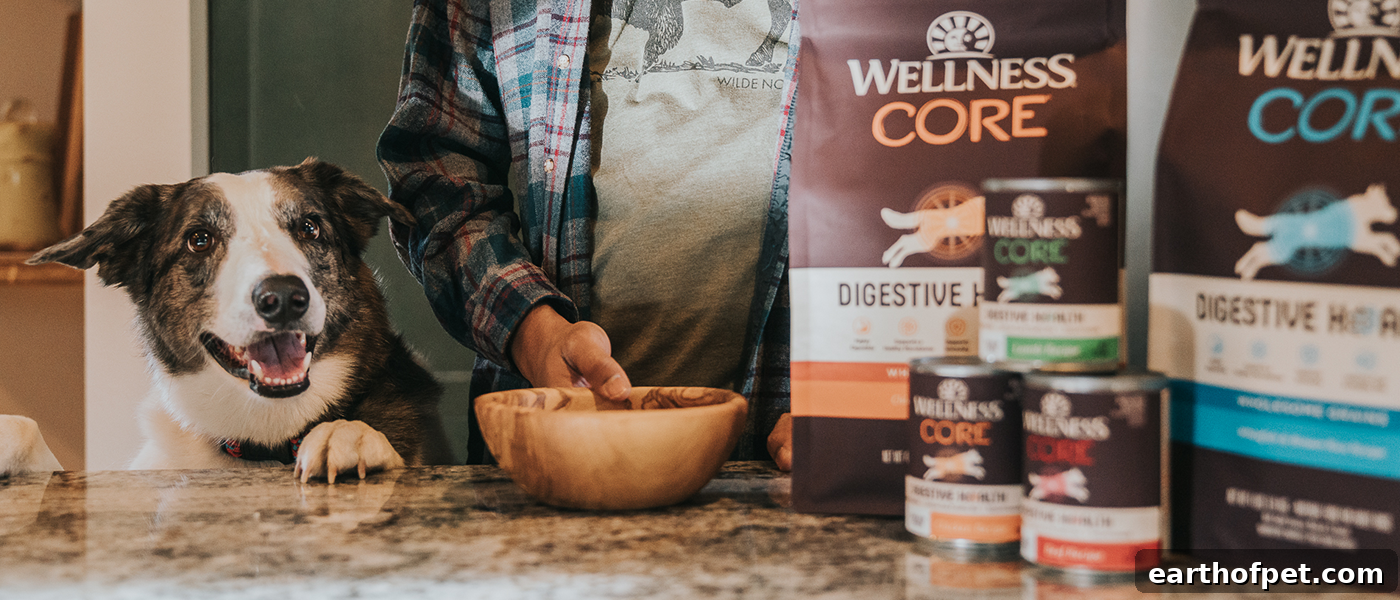
Pets thrive on routine. Most owners feed once in the morning and once in the evening. Scheduled meals help regulate digestion and prevent grazing behavior that leads to overeating. If your pet tends to snack throughout the day, divide daily portions into smaller, timed servings to satisfy their habit while maintaining portion control.
Regular mealtimes also make it easier to notice appetite changes, which can be an early sign of illness.
4. Break the Table-Scrap Habit
Giving table scraps teaches pets to beg and can introduce foods that are unhealthy or even toxic. Many human foods are high in fat, salt, or seasonings that can cause digestive upset, weight gain, or more serious problems. Consistently refuse table scraps and reinforce that mealtimes happen only from their bowl.
5. Limit the Number of Treats You Give Your Pet
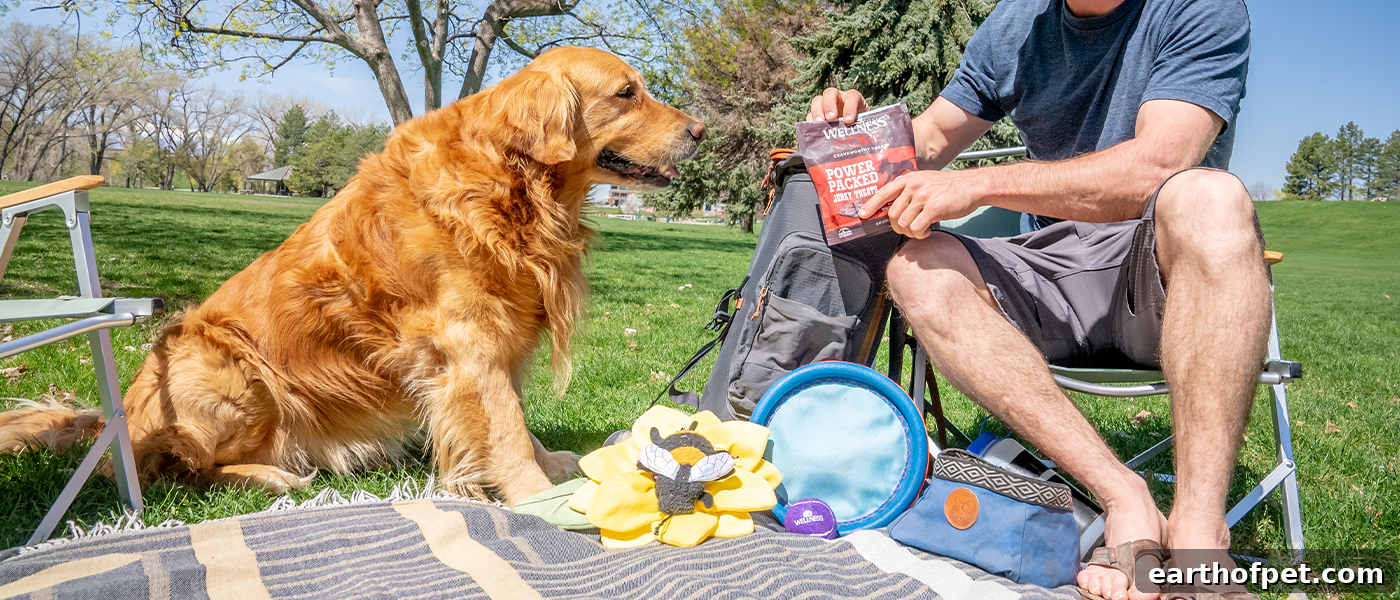
Treats are useful for training and bonding, but they add calories. Follow the treat packaging guidelines and limit how often you reward with snacks. Treats should make up only a small fraction of your pet’s daily calories. For weight management, reduce treat frequency or give lower-calorie options.
6. Supplement a Treat with a Dental Chew
Consider replacing one daily treat with a dental chew designed to reduce plaque and promote oral health. Chews that are formulated to support dental hygiene can help protect your pet’s teeth and gums and reduce bad breath. If your pet has specific dental issues, ask your veterinarian which type of chew is safe and effective.
7. Keep Your Pet’s Water Bowl Full
Hydration is essential. Fresh water supports digestion, helps regulate body temperature, and supports kidney and urinary health. Make sure clean water is always available, and refresh it daily to encourage regular drinking.
8. Clean Food and Water Dishes Regularly
Food and water bowls can harbor bacteria if not cleaned often. Wash bowls with hot, soapy water and rinse thoroughly after each use. Regular cleaning reduces the risk of contamination and protects both pet and household health.
9. Use a Stainless-Steel Bowl for Water
Stainless-steel bowls are durable, nonporous, and easier to sanitize than plastic. They resist odors and bacteria better than some other materials and are generally dishwasher-safe, making them a hygienic choice for daily use.
10. Consult Your Veterinarian About Nutrients and Supplements
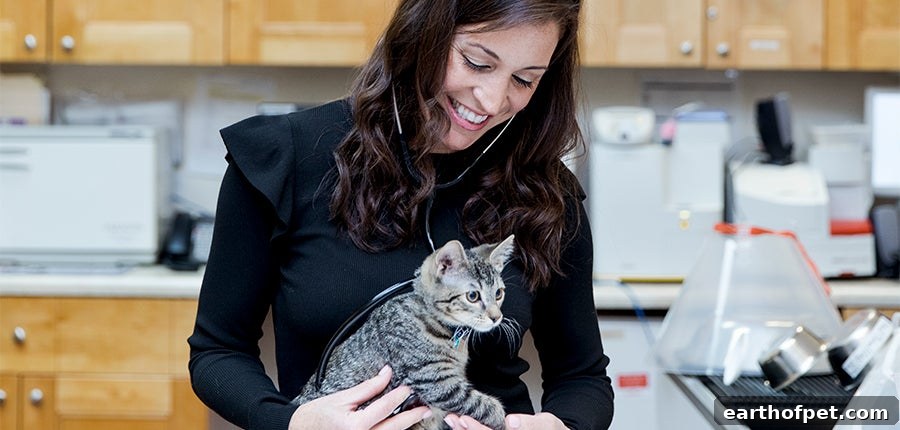
Every pet is unique. Work with your veterinarian to confirm that your pet’s diet delivers the right balance of protein, fats, vitamins, and minerals for their age, breed, and activity level. Your vet can recommend supplements—such as omega-3 fatty acids, joint support formulas, or prescription diets—only when appropriate based on medical needs.
Consistent, balanced feeding habits are a cornerstone of lifelong pet health. Focus on high-quality ingredients, controlled portions, regular meal times, proper hydration, and routine veterinary guidance. With thoughtful attention to diet and feeding practices, you can help ensure your cat or dog enjoys a healthy, active, and happy life.