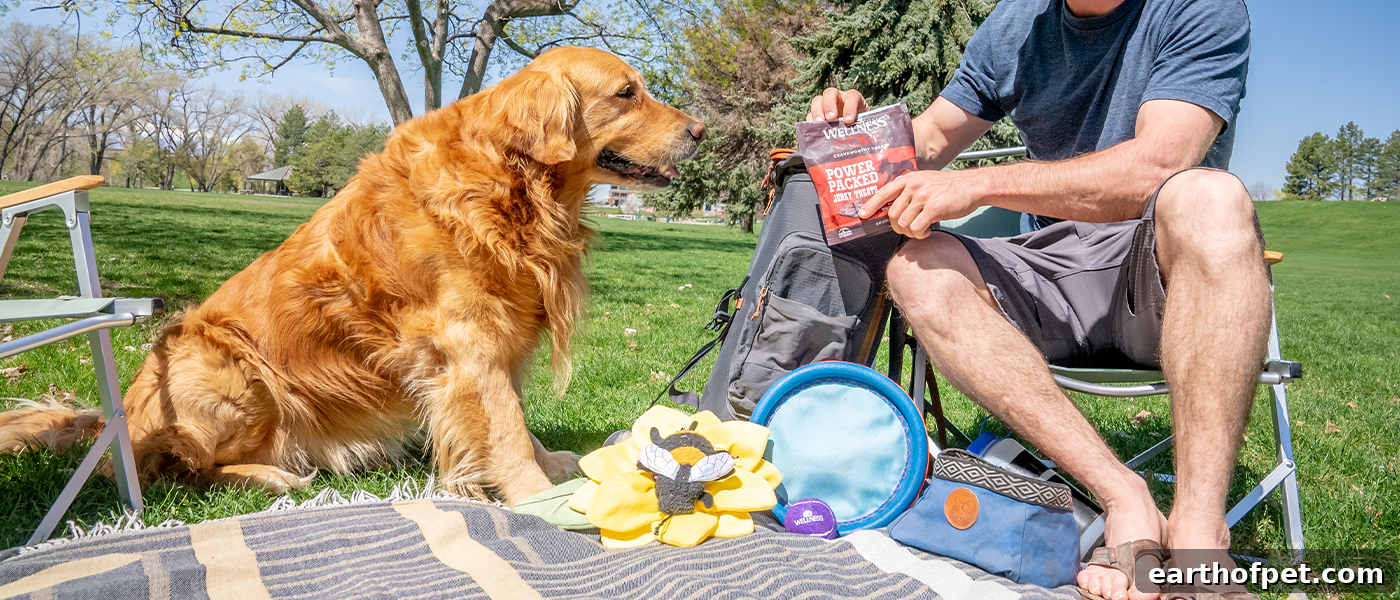
Summertime brings long days, warm weather, and the perfect chance to get outside. For dog owners, that often means planning beach trips with our furry companions. The sand, surf, and fresh air can be wonderful for dogs, but they also require a little extra preparation to keep pets safe, comfortable, and welcome at public beaches.
Below is a concise, practical checklist of ten essential tips to help you enjoy a safe, fun beach day with your dog.
1) Preparations

Before you head to the shore, gather the basic supplies and confirm local rules so your visit is smooth and respectful. At a minimum bring:
- ID & rabies tags: Ensure your dog wears a collar with current identification and rabies vaccination tag. If you get separated, these IDs make reunions far quicker.
- Waste bags: Pack plenty of bags to pick up after your dog. Keeping beaches clean is courteous and helps preserve access for everyone.
- Fresh water and a bowl: Never rely on seawater. Bring enough fresh drinking water for both short visits and longer stays.
2) Sun safety
The sun is strongest roughly between 10:00 a.m. and 4:00 p.m., and high temperatures increase the risk of heat exhaustion and heat stroke. Some breeds with short noses, thin coats, or light-colored skin are more prone to sunburn and overheating. Plan morning or late-afternoon visits when possible, and watch your dog for signs of overheating: excessive panting, drooling, weakness, or disorientation.
3) Fresh water is essential
Saltwater is not suitable for drinking. Encourage regular water breaks and offer fresh water frequently. Drinking seawater can lead to increased dehydration, vomiting, or diarrhea, so monitor your dog and limit their consumption of ocean water.
4) Provide shade

Shade lets dogs rest comfortably out of direct sunlight and helps regulate their temperature. Bring a pop-up beach tent, umbrella, or sunshade designed to be anchored in sand. Position your shade near the water so your dog can easily move between cooler wet sand and the shaded area.
5) Leash rules and off-leash etiquette
Check local leash laws before allowing your dog off leash. Many dog-friendly beaches require leashes at all times. If leashes are required, consider a long line to give your dog extra freedom while staying compliant. For off-leash beaches, keep these points in mind:
- Recall: Your dog should reliably come when called, even with distractions.
- Supervision: Watch your dog closely to prevent wandering, collisions, or swimming too far out.
- Social behavior: Be sure your dog is comfortable meeting new dogs and sharing space and toys.

6) Life vests for safer swimming
A canine life vest is a smart choice for dogs that are weaker swimmers, older, or prone to swallowing seawater. Life vests keep your dog’s head elevated and reduce fatigue, making swimming safer and lowering the risk of saltwater ingestion during sustained swims.
7) Bring the right toys
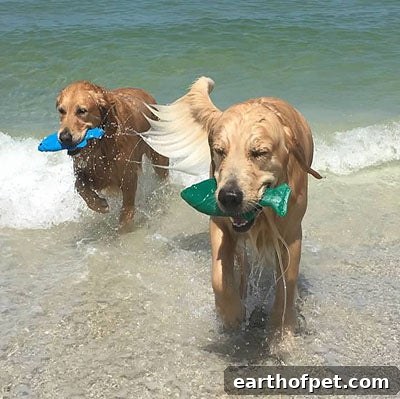
Choose toys suitable for sand and surf. Frisbees and tennis balls work well on dry sand, while bright, buoyant retrieval toys are easiest to spot in the water. Pack backups in case toys get lost in the surf or need to be replaced during the day.
8) Beach safety considerations
Be mindful of hazards that can injure your dog:
- Hot sand: Sand can burn paw pads during midday heat. Stay near wet sand or shade when temperatures are high.
- Sandspurs and sharp vegetation: Grassy zones may contain burrs or sandspurs that cause pain or bleeding. Inspect areas before letting your dog roam.
- First-aid kit: Carry a basic pet first-aid kit to treat minor cuts, paw injuries, or insect stings until veterinary care is available.
9) After-care
Rinse or bathe your dog after the beach to remove salt, sand, and any residue that could irritate the skin. Check for cuts, abrasions, or foreign objects in paws. Continue offering fresh water for several hours to rehydrate, and provide regular bathroom breaks. Dry and clean your dog’s ears to reduce the risk of ear infections following swimming.
10) Helpful extras
These additional precautions and items make beach days smoother and safer:
- Keep vaccinations current.
- Use flea and tick prevention year-round.
- Respect wildlife and maintain distance from turtle nests or other protected areas.
- Bring extra toys and treats in case something is lost or damaged.
- Take frequent breaks in the shade and monitor your dog for fatigue.
- Pack familiar treats such as Wellness CORE dog treats to reward good behavior and calm nervous dogs.
With a little planning and awareness, you and your dog can enjoy many safe, happy beach days together. Follow local rules, watch for signs of heat or distress, and prioritize hydration and shade—then relax and enjoy the sunset with your four-legged friend.