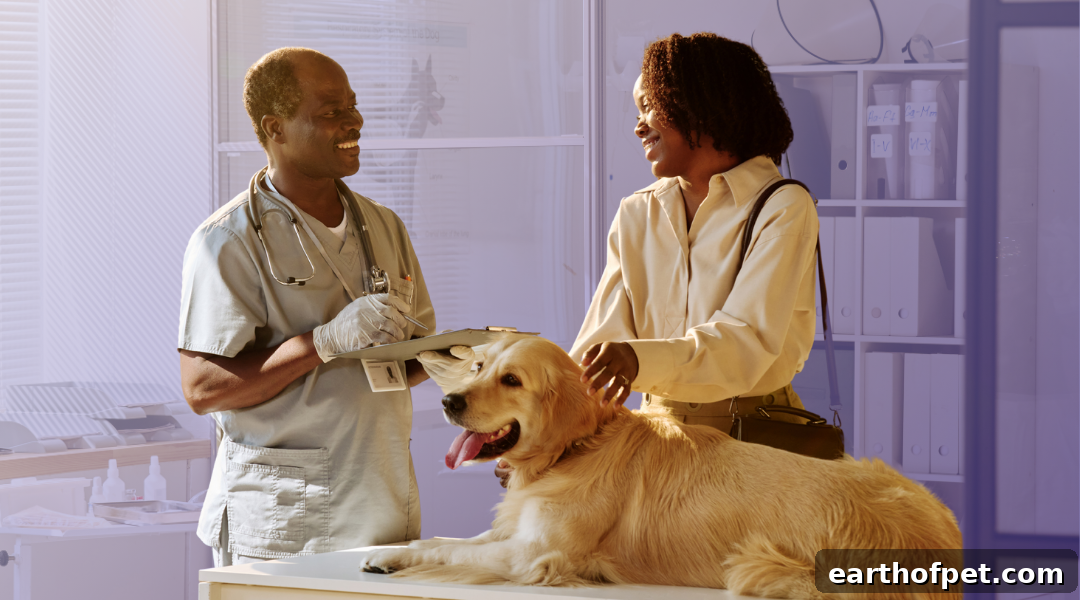
Veterinarians work tirelessly to keep our animal companions healthy, comfortable, and safe. They diagnose complex conditions, manage chronic illnesses, and provide treatments that can be lifesaving. Yet even the most skilled clinician is limited by the time and information available during a standard appointment.
In a typical clinic visit, veterinarians depend on what they can observe in the exam room, what you report about your pet’s behavior, and the signs an animal is willing to show. These constraints make the pet owner’s role in sharing accurate, ongoing information essential to high-quality care.
Challenge: Pets Often Conceal Pain
Unlike people, animals cannot describe discomfort or symptoms. Many pets instinctively hide signs of illness or pain—a survival trait that makes early detection difficult. By the time obvious signs such as limping, changes in appetite, or lethargy appear, a disease may already be well advanced.
Continuous health monitoring helps bridge that gap by revealing subtle shifts in physiology and behavior before they become obvious during a brief clinic visit.
Give Your Veterinarian More Useful Data
One of the most practical ways pet owners can support veterinary care is by supplying consistent, objective health data collected at home. Modern wearable health monitors for pets can track vital signs and behavior around the clock, giving veterinarians a clearer, evidence-based picture of how an animal is doing between visits.
A reliable pet health wearable typically records:
- Heart rate and respiratory rate
- Activity levels, rest patterns, and posture changes
- Skin or body temperature trends
- Indicators of pain, stress, or discomfort
When you share this type of data with your veterinarian, you help them:
- Identify emerging problems earlier
- Monitor chronic conditions with objective trends
- Adjust treatment plans based on real-life activity and health patterns
- Reduce uncertainty and avoid unnecessary tests or guesswork
Providing continuous, objective information turns occasional snapshots into a comprehensive timeline, enabling more informed clinical decisions.
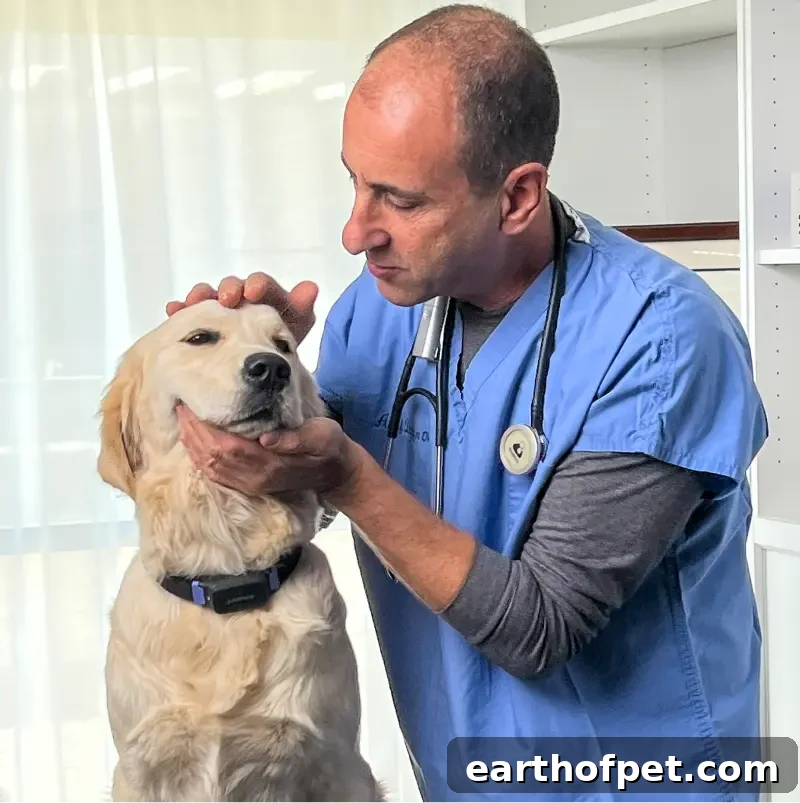
From Partners to Team Players: Strengthening the Pet Owner–Veterinarian Relationship
Veterinarians rely on a collaborative relationship with pet owners. When you actively observe your pet and supply meaningful data, you become an essential member of the care team. Proactive owners who report changes and follow preventive measures make it easier for veterinarians to deliver timely, targeted care.
Practical ways to collaborate with your veterinarian:
- Monitor and note subtle changes in behavior, appetite, mobility, or routine.
- Keep up with preventive care such as dental hygiene, vaccinations, and weight management.
- Report observations clearly and consistently—small details can be clinically important.
Using a validated health monitor provides objective trends to complement your observations, allowing vets to rely less on subjective descriptions and more on measurable patterns.
Early Detection Improves Outcomes
One of the greatest benefits of ongoing monitoring is early detection. Identifying health issues at an early stage can make treatments more effective, reduce the risk of complications, and lessen pain and suffering. Early intervention often improves long-term prognosis and can lower overall healthcare costs.
Whether the concern is arthritis, heart disease, epilepsy, or stress-related conditions, continuous insight into a pet’s daily physiology and activity gives veterinarians a head start on diagnosis and tailored management.
How Owners Can Help Veterinarians Help Pets
Veterinarians dedicate their careers to animal welfare. Pet owners can enhance that work by being engaged, observant, and proactive. Using modern health monitoring tools and sharing the results with your veterinary team strengthens clinical care and improves the chances of positive outcomes for your pet.
Think of pet care as a team effort: you provide the daily context and observations, technology supplies continuous objective data, and your veterinarian integrates all information into an individualized care plan. Together, this partnership supports a healthier, happier life for animals who depend on us to speak for them.