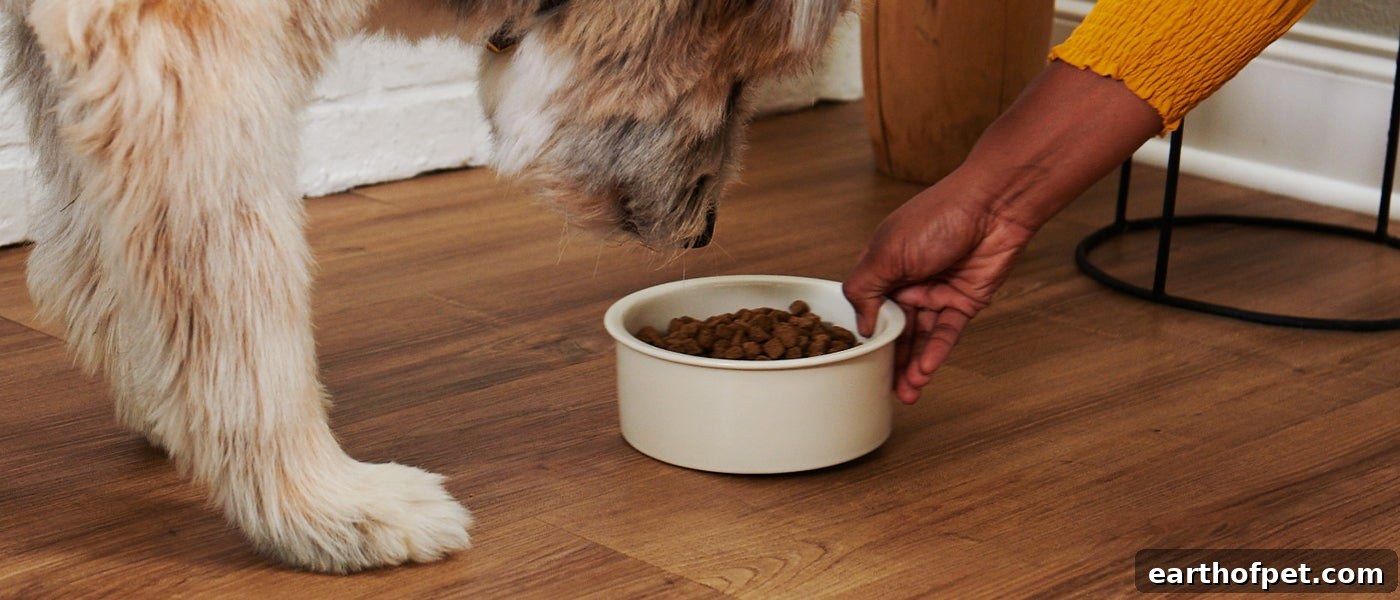
Wondering which Thanksgiving foods are safe for your dog or cat? Below is a clear, organized guide listing safe options, items that depend on the recipe, and foods you should never share—plus tips for including pets in the celebration without a trip to the emergency vet.
Every holiday meal seems to attract a hopeful face under the table. That familiar look prompts the question: what can dogs and cats eat at Thanksgiving?
The simple truth: some holiday foods are fine in small amounts when plain and unseasoned, others are risky depending on how they’re prepared, and a few are dangerous even in tiny quantities.
The main issue is seasoning, fat, and added ingredients—butter, salt, sugar, garlic, onions, and certain sweeteners can turn otherwise safe foods into hazards. Read the labels or set aside plain portions before anything is added.
The Thanksgiving Scrap List at a Glance
| Food | Verdict | Notes |
| Plain, boneless, skinless turkey (white meat) | Safe | Fully cooked, unseasoned, small portions |
| Plain sweet potato | Safe | Cooked, no butter, sugar, or marshmallows |
| Plain green beans | Safe | Steamed or boiled; not casserole with sauce or fried onions |
| Plain pumpkin (100% canned or cooked) | Safe | Not pumpkin pie filling |
| Plain carrots, apple slices, corn kernels | Safe | Remove cores and seeds; remove corn from cob |
| Dark meat turkey | Iffy | Higher fat; avoid for pets with sensitive stomachs |
| Mashed potatoes | Iffy | Often made with butter, cream, salt, or garlic |
| Cranberry sauce | Iffy | High in sugar; check recipe |
| Dinner rolls | Iffy | Plain is okay in tiny amounts; raw dough is dangerous |
| Cheese and dairy | Iffy | Lactose sensitivity is common; high fat and salt |
| Turkey bones | Never | Cooked bones can splinter and cause injury |
| Turkey skin, fat, drippings, gravy | Never | High fat and often contains onions/garlic; can trigger pancreatitis |
| Stuffing / dressing | Never | Often contains onions, garlic, or raisins and fatty drippings |
| Onions, garlic, leeks, chives | Never | Toxic to dogs and cats |
| Grapes, raisins, currants | Never | Can cause kidney damage in dogs |
| Chocolate | Never | Toxic to dogs and cats |
| Sugar-free desserts (xylitol) | Never | Xylitol can be deadly to dogs |
| Raw bread or roll dough | Never | Expands in the stomach; fermentation produces alcohol |
| Pumpkin pie and spiced desserts | Never | High sugar, fats, and spices |
| Ham | Never | Very salty and fatty |
| Alcohol | Never | Dangerous even in small amounts |
| Corn cobs | Never | Common cause of intestinal blockage |
The Safe List: Plain Is Key
Foods that are generally safe for most healthy dogs—and some for cats—are those served plain, cooked, and in small portions. If something has been buttered, salted, seasoned, or mixed with other ingredients, it should be treated as if it were on the Iffy or Never list.
Plain Turkey Breast
Plain, fully cooked, boneless, skinless white meat turkey is a lean source of protein and is usually safe in small portions for dogs and cats. Avoid skin, bones, and any seasonings, especially garlic and onion.
Plain Sweet Potato
Cooked sweet potato without added sugar, butter, or marshmallows provides fiber and vitamins and can be offered in small amounts.
Plain Green Beans and Pumpkin
Steamed or boiled green beans and plain canned or cooked pumpkin (100% pumpkin) are healthy, low-calorie options to share sparingly.
Carrots, Apple Slices, Corn Kernels
Raw or cooked carrots, apple slices without seeds or core, and plain corn kernels off the cob are suitable treats in small quantities. Never give the corn cob itself.
The Iffy List: Depends on Preparation
These items are not inherently toxic but often include additions that are. If you can’t be certain a dish is plain, it’s safer to skip it.
Dark Meat Turkey
Dark meat contains more fat than white meat. Occasional small tastes are unlikely to harm a healthy pet, but avoid for animals prone to pancreatitis or sensitive stomachs.
Mashed Potatoes, Cranberry Sauce, and Dinner Rolls
Plain cooked potatoes are fine in moderation, but traditional mashed potatoes often have butter, cream, salt, or garlic. Cranberry sauce is usually high in sugar, and dinner rolls add empty calories. If sharing, reserve a plain portion before any seasonings or extras are added.
Cheese and Dairy
Some pets tolerate small amounts of cheese, but lactose intolerance and high fat or salt content can cause digestive upset. Offer only a tiny amount if you know your pet tolerates dairy.
The Never List: Keep These Away
These foods are the most dangerous and should never be given to pets. They include toxic items, choking hazards, and foods that can cause serious medical conditions.
Turkey Bones, Skin, Fat, and Gravy
Cooked bones can splinter and cause choking or internal injury. Skin, fat, and gravy are high in fat and can trigger pancreatitis; gravy may also contain onion or garlic.
Stuffing, Onions, Garlic, and Alliums
Stuffing often contains onions, garlic, or raisins and is usually cooked with fatty drippings—avoid completely. Onions, garlic, leeks, and chives can damage red blood cells in both dogs and cats.
Grapes, Raisins, Chocolate, Xylitol, Raw Dough
Grapes and raisins can cause kidney damage in dogs; chocolate is toxic to dogs and cats; xylitol (a sugar substitute) can cause severe hypoglycemia and liver damage in dogs; uncooked yeast dough expands in the stomach and produces alcohol—keep all of these out of reach.
Ham, Alcohol, Nuts, Corn Cobs
Ham is very salty and fatty. Alcohol is hazardous even in small amounts. Macadamia nuts are toxic to dogs and many nuts are high in fat. Corn cobs commonly cause intestinal blockages.
Thanksgiving Foods for Cats
Cats can enjoy small bites of plain, fully cooked, boneless, skinless turkey. As obligate carnivores, they usually prefer meat and are less interested in starches or sweets.
Special cautions for cats:
- Alliums: Cats are particularly sensitive to onions and garlic; avoid seasoned meats, gravies, and stuffing.
- Dairy: Many adult cats are lactose intolerant; avoid milk and rich dairy-based dishes.
- Toxic plants: Certain lilies and other holiday flowers are extremely toxic to cats; keep flowers out of reach.
- Access: Cats can reach countertops and tables—cover dishes and don’t leave tempting food unattended.
How Much Is a “Small Amount”?
Even safe foods can upset a stomach if fed in excess. A common guideline is that treats and extras should make up no more than 10% of your pet’s daily calories. For small dogs and cats this may be only a few bites; for large dogs a small handful.
Simple rules:
- Offer extras in addition to regular meals, not as replacements.
- Introduce one new food at a time to monitor tolerance.
- Avoid extras for pets with health issues—ask your veterinarian first.
Practical Thanksgiving Day Tips
Most food-related emergencies happen because the kitchen is busy and food is left unattended. Keep pets safe with a few preventive steps.
- Prepare a pet plate first: Set aside plain, safe portions before adding seasonings.
- Tell guests the rules: Ask everyone not to feed pets from the table and provide a small bowl of approved treats for visitors to offer safely.
- Secure trash: Seal bones and scraps in a tightly closed bag inside a closed bin or container.
- Watch surfaces: Unattended plates, appetizer trays, and glasses are easy targets for counter-surfing pets.
- Give pets a quiet space: A calm room with water, a bed, and a toy or puzzle filled with safe treats can keep them comfortable and occupied.
If Your Pet Eats Something Dangerous
Act quickly. Some toxins, such as xylitol or grapes, can cause harm before symptoms appear.
| Step | Action |
| 1. Remove the food | Take away any remaining food and note what and how much was eaten. |
| 2. Call for help | Contact your veterinarian, an emergency clinic, or a pet poison hotline right away. |
| 3. Don’t induce vomiting | Only if instructed by a veterinary professional. |
| 4. Bring ingredient details | Packaging or a recipe helps the vet decide on treatment. |
Pet poison resources (fees may apply):
- ASPCA Animal Poison Control Center: (888) 426-4435
- Pet Poison Helpline: (855) 764-7661
Watch for symptoms after exposure: vomiting, diarrhea, loss of appetite, lethargy, abdominal pain or bloating, or a hunched posture. Contact your veterinarian if you notice any concerning signs.
Final Thoughts
Pets don’t need Thanksgiving dinner—what they need is their regular food, fresh water, and your attention. Including them in the celebration is possible and safe when you stick to plain, unseasoned portions and keep hazardous foods and unattended scraps out of reach.
Share a few bites of plain turkey, a spoonful of plain sweet potato, or a small piece of carrot, and keep the gravy, bones, sweets, and alliums on the human side of the table. That way everyone enjoys the holiday—humans and pets alike.
Thanksgiving Scrap FAQ
What Thanksgiving foods can dogs eat?
Small amounts of plain, cooked, unseasoned foods such as boneless turkey breast, sweet potato, green beans, pumpkin, carrots, apple slices without seeds, and corn kernels (off the cob) are generally safe. Avoid anything with butter, salt, garlic, or onion.
What foods are dangerous?
Never give pets turkey bones, skin and drippings, gravy, stuffing, onions, garlic, grapes, raisins, chocolate, xylitol-containing sweets, raw dough, ham, alcohol, macadamia nuts, or corn cobs.
What if my pet ate something toxic?
Contact your veterinarian, an emergency clinic, or a pet poison hotline immediately, provide details about what was eaten and how much, and follow professional instructions. Do not attempt home treatments unless directed by a professional.