Doggy breath is unpleasant for everyone, and while many pet owners accept it as a normal part of dog ownership, persistent foul breath is usually a sign that something is wrong. Bad breath in dogs can point to dental disease, infections, or systemic conditions such as diabetes, kidney or liver issues. Paying attention to your dog’s mouth and taking proactive steps can both freshen breath and help prevent more serious health problems. Below are five practical tips to keep your dog’s teeth healthy and their breath smelling better.
1. Take your dog to the veterinarian annually:
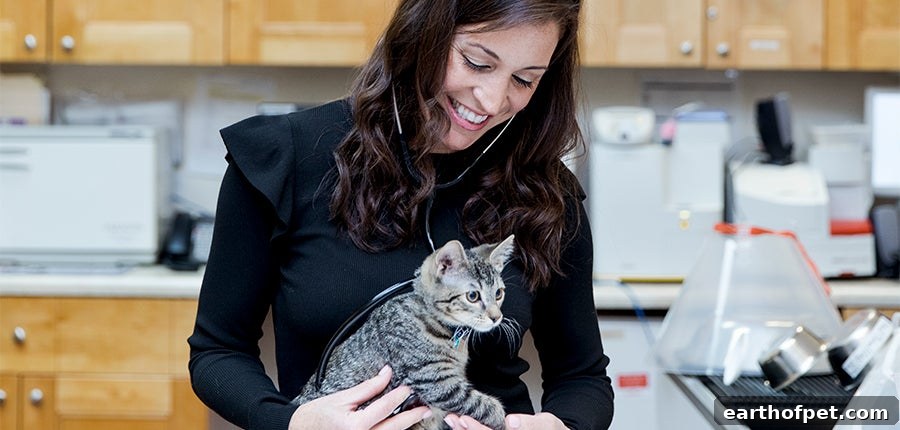
Routine veterinary exams are essential to maintaining your dog’s overall health and oral hygiene. The most common cause of halitosis in dogs is plaque buildup and periodontal disease, which a vet can diagnose early during an annual checkup. If dental disease is present, your veterinarian can perform a professional dental cleaning under anesthesia, removing plaque and tartar, treating oral infections, and extracting loose or damaged teeth when necessary. These procedures reduce the bacteria that cause bad breath and improve your dog’s comfort and quality of life. Regular exams also allow the vet to check for other health issues—like diabetes or kidney disease—that can produce strong, unpleasant breath.
2. Keep their mouth clean – Brushing:
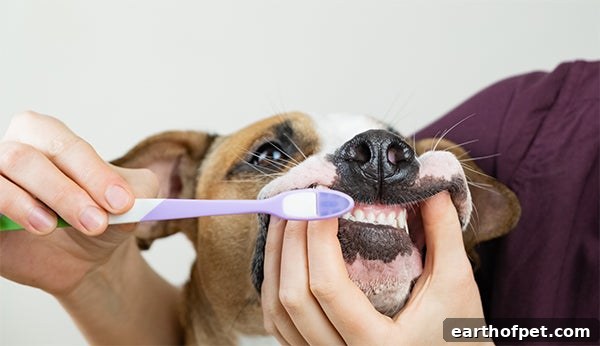
Brushing is the gold standard for daily oral care. Even after a professional cleaning, plaque begins to form again within 24 hours, so regular brushing slows buildup and helps keep breath fresh. Use a toothpaste formulated for dogs—never human toothpaste—and a soft-bristled brush or finger brush designed for pets. Start slowly, reward your dog with praise and treats, and aim for short, consistent sessions rather than long, infrequent ones. Focus on gently cleaning the outer surfaces of the teeth and along the gumline where plaque accumulates. Over time, daily brushing can reduce tartar formation and improve gum health.
3. Keep their mouth clean – Dental chews:
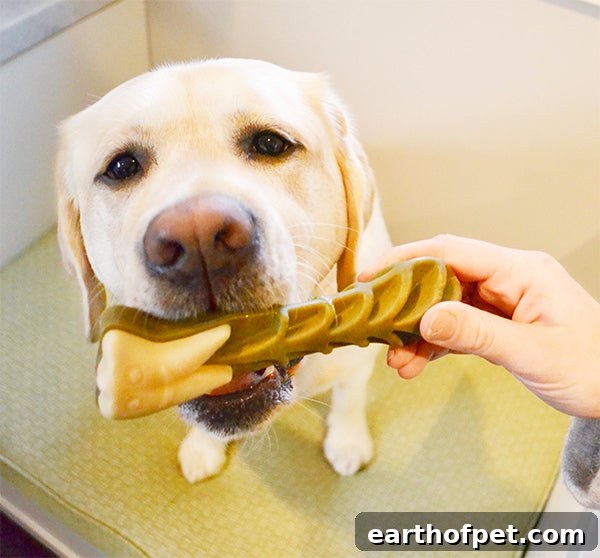
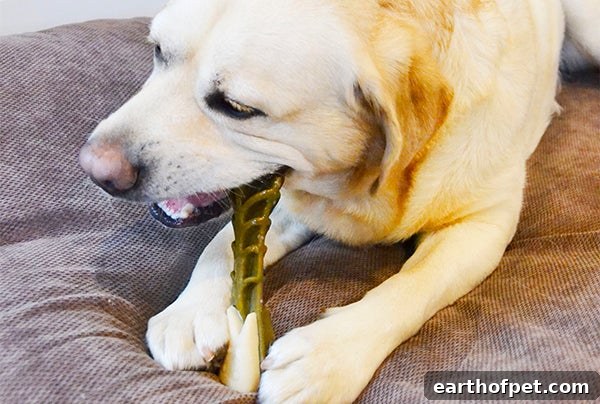
For many owners, daily brushing feels intimidating, and compliance is low. Dental chews are a practical complement to brushing for dogs that enjoy chewing. Chews designed specifically for dental care work mechanically: as the dog chews, ridges, grooves and textured surfaces help scrape away soft plaque and massage the gums. Choose chews that are age- and size-appropriate and made from safe, digestible ingredients. Supervise chewing and follow manufacturer guidelines for frequency to avoid overfeeding calories or causing dental fractures in dogs that are aggressive chewers. When used alongside brushing and regular veterinary care, dental chews can help reduce plaque and improve breath.
4. Keep an eye on what he eats and drinks:
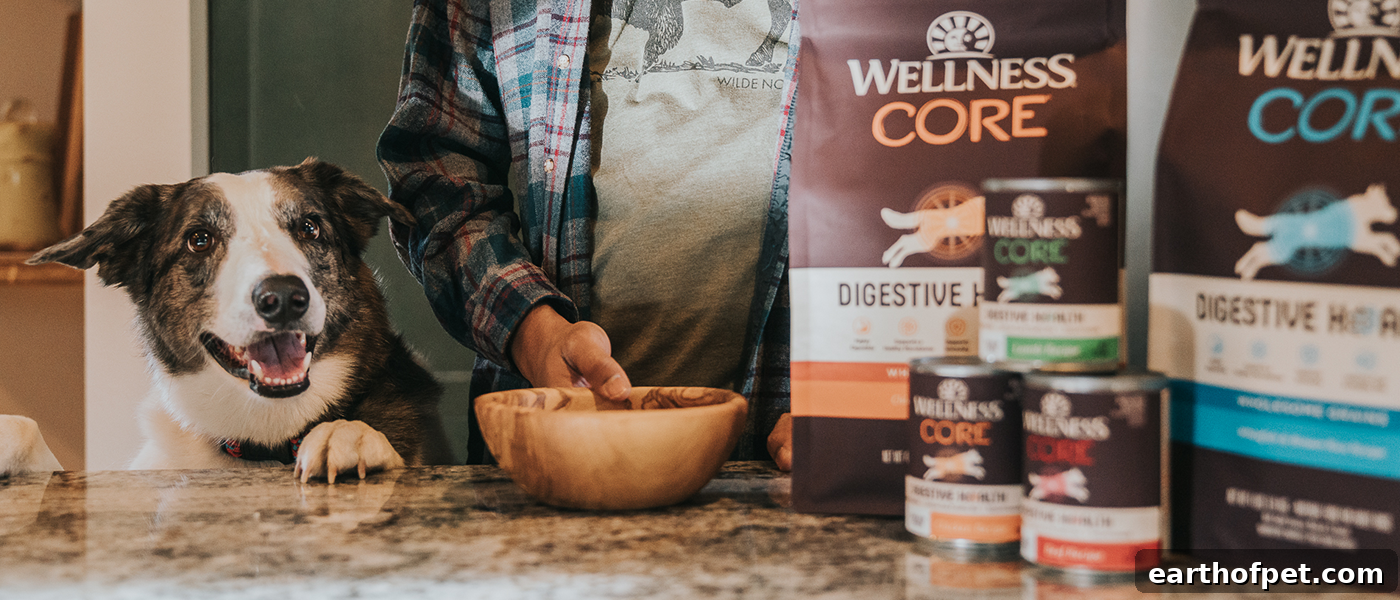
Diet and scavenging behavior play a significant role in oral odor. Dogs that eat garbage, feces, or decomposing matter will develop strong, unpleasant breath. Prevent access to trash, supervise meals and walks, keep the yard clean, and use a leash to avoid scavenging on walks. Feeding a balanced, high-quality diet and ensuring fresh water is always available supports overall health and digestion, which indirectly affects breath. If your dog has a tendency to eat inappropriate items, work with training and environmental management to reduce those behaviors and the resulting bad odors.
5. Keep them healthy:
Good daily care—proper nutrition, regular exercise, hydration, and routine veterinary visits—keeps dogs healthier and helps prevent causes of bad breath. Monitor your dog’s mouth at home: signs that warrant a vet visit include persistent bad breath, brown or yellow deposits on teeth (tartar), red or swollen gums, drooling, difficulty eating, pawing at the mouth, or any unusual odor that appears suddenly. These signs can indicate dental disease or other medical problems that need attention. Early detection and treatment give the best chances for preserving teeth and preventing systemic complications.
Bad breath shouldn’t be dismissed as inevitable. With regular veterinary checkups, daily oral care, appropriate dental chews, careful feeding and supervision, and prompt attention to any warning signs, you can greatly reduce bad breath and protect your dog’s dental and overall health. If you’re unsure where to start, ask your veterinarian for a tailored oral care plan that fits your dog’s age, breed and lifestyle.