Many people assume cats can’t be trained, but that’s a misconception. With patient, positive, and cat-friendly methods, cats—especially kittens—can learn a wide range of behaviors. Training improves your pet’s safety, reduces stress for both of you, and strengthens your bond. This guide covers six essential kitten-training lessons: gentle handling, carrier training, socialization, litter box use, scratching-post habits, and appropriate play.
Start training as early as possible, ideally when you bring your kitten home. Young kittens are naturally curious and receptive to new experiences, making them especially responsive to consistent, reward-based training. Below are practical, humane strategies to help your kitten grow into a well-adjusted adult cat.
1. Teach Gentle Handling
Learning to accept touching and being held is foundational. As your kitten grows, you’ll need to handle her for routine care like nail trims, grooming, medication, and emergency transport. Short, frequent sessions are far more effective than long, stressful attempts.
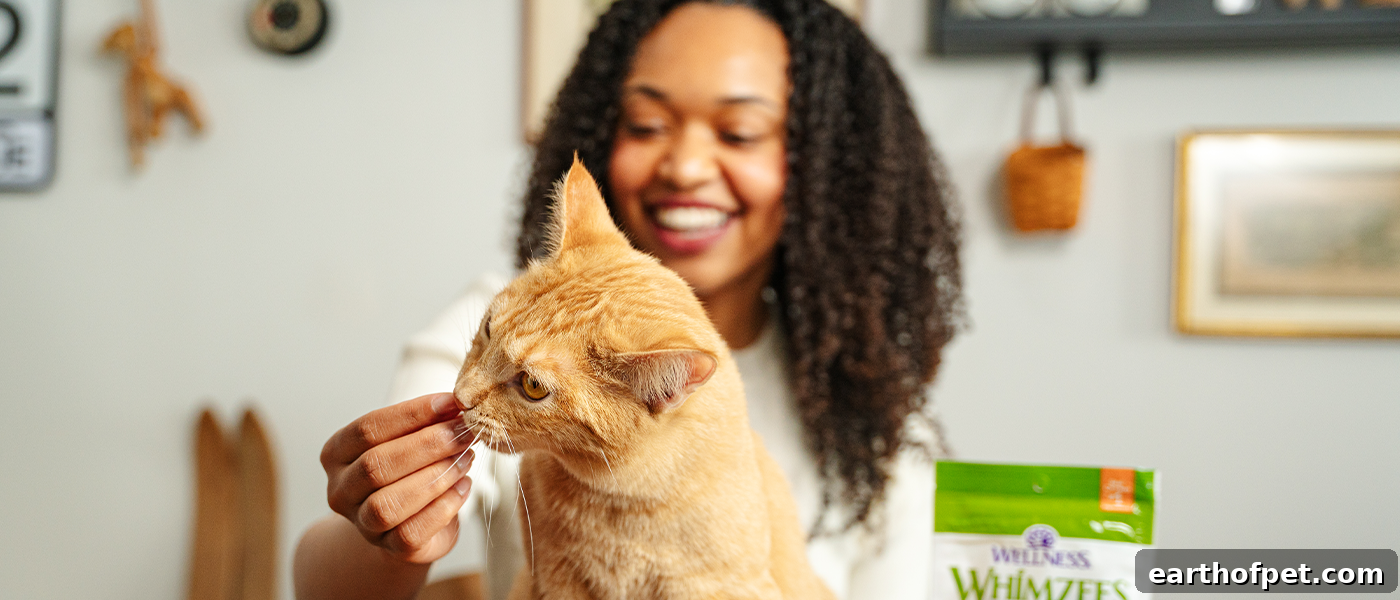
Set aside several brief training moments each day. Calmly stroke and touch different areas—ears, cheeks, chin, paws, tail and around the mouth—while offering a small treat or praise. Gently lift and cradle her for a few seconds and promptly reward calm behavior. Keep the experience positive and stop before she becomes restless so handling stays associated with comfort and rewards.
2. Carrier Training
Because many cat owners dread the carrier struggle, cats often miss veterinary care. A calm, carrier-trained cat is safer and less stressed during travel and emergencies. Begin by making the carrier a familiar, inviting space: leave it accessible with the door open and line it with a soft towel.
Feed meals inside the carrier so your kitten forms a positive association. Once she willingly enters, practice closing the door briefly while she eats, then open it and reward her. Progress by picking up the carrier, walking around the room, and setting it back down. Gradually move on to sitting inside a parked car with the carrier, briefly starting the engine, and then short drives. Increase duration step by step so travel becomes routine rather than frightening.
If your kitten prefers security, drape a lightweight towel over the carrier to provide a sheltered environment. Keep the carrier out permanently so it doubles as a cozy hideaway, which encourages voluntary entry over time.
3. Socialize Your Kitten
Proper socialization helps prevent fear and anxiety around people, noises, and new situations later in life. The most receptive window for socialization is typically between two and seven weeks of age, but ongoing gentle exposure remains valuable beyond that period.
Introduce your kitten to a variety of people, calm handling, brief travel, and safe interactions with other vaccinated pets. Expose her to normal household sounds and everyday comings and goings—always slowly and within her comfort zone. Use treats and praise to create positive associations, and stop if she shows signs of stress so you never inadvertently create fear.
4. Litter Box Training
Most cats naturally prefer a sandy substrate and will instinctively use a litter box, but kittens sometimes need a little guidance. Provide an uncovered box with low sides for easy entry and place it in a quiet, accessible location. Use a soft, unscented, scoopable litter so the surface feels comfortable underfoot.
Limit the kitten’s roaming space initially so she quickly learns the box location. Gently place her in the litter box after naps, meals, or play sessions to reinforce the habit, but don’t force her to stay. Avoid punishment for accidents—clean the area and consider whether the box location, litter type, or number of boxes needs adjustment. Patience and consistent routines help kittens develop strong litter-box habits.
5. Scratching Post Training
Scratching is a natural behavior for cats; it conditions claws and marks territory. Provide attractive, durable scratching surfaces—sisal-covered vertical posts and corrugated cardboard horizontal pads are popular options. Choose posts tall and stable enough for full-body stretches as your kitten grows.
Place a scratching post in a visible, accessible spot and incorporate it into play. Use toys to lure your kitten to the post and reward her when she uses it. If she prefers furniture, temporarily cover the targeted area and place a post alongside it to redirect the behavior. Never punish; positive redirection is far more effective.
6. Teach Your Kitten Appropriate Play
Play teaches hunting skills and provides important exercise, but it’s crucial to separate your hands from play objects. Avoid using fingers or toes as toys. Instead, offer a variety of interactive wand toys and safe solo toys that your kitten can bat, chase, and pounce on.
Interactive toys create distance between your hands and the kitten’s claws and teeth while mimicking prey behavior, which satisfies natural instincts. After each interactive session, store those toys away so they remain special and safe—preventing unsupervised chew or strangulation risks. Leave only durable, kitten-safe toys out for independent play.
Training a kitten takes patience, consistency, and positive reinforcement, but the rewards are substantial: a confident, cooperative adult cat and a stronger human–cat relationship. Focus on short, enjoyable sessions, celebrate small successes, and adjust pacing to your kitten’s temperament. With time and thoughtful guidance, most cats respond remarkably well to training.