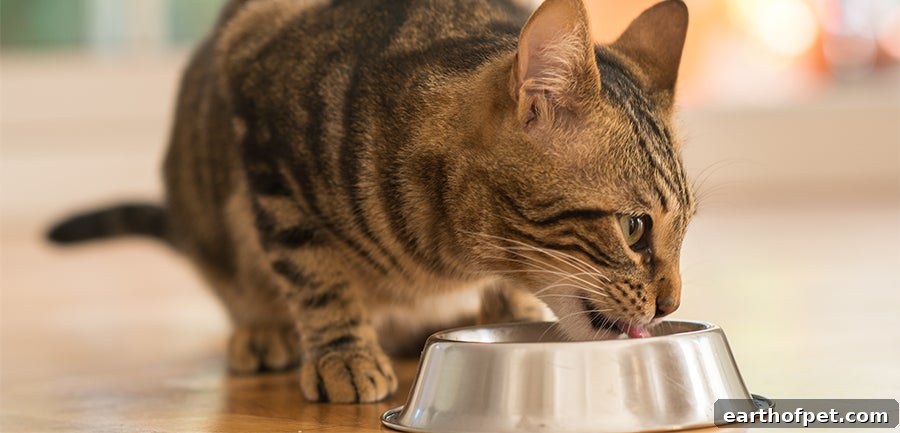
Yesterday your cat rushed to the bowl at dinner. Today they sniff it as if it were cardboard. Sound familiar? You’re not alone. Many cat owners assume they have a picky eater, but often there’s more to the story. Cats commonly lose interest in eating the same meal day after day—not out of stubbornness, but because their instincts favor variety and richer sensory experiences at mealtime.
Put yourself in your cat’s paws: imagine being served the same chicken dish every day for months. Even a tasty, nutritious meal would start to feel monotonous. Cats are no different. Their feeding choices depend on far more than just ingredients; aroma, texture, temperature and moisture all shape a cat’s appetite.
Animal behaviorists sometimes call this behavioral menu fatigue—a gradual drop in enthusiasm when every meal looks, smells and feels the same. While not a medical diagnosis, this idea helps explain why a once-eager cat may become indifferent at mealtime. Veterinary behaviorists increasingly view feeding as an opportunity for enrichment, not only nutrition. A thoughtfully varied approach can support natural feline behaviors and promote healthier eating habits.
Cats thrive on routine, but routine doesn’t have to mean monotony. Wild ancestors encountered a range of prey textures, aromas and flavors throughout the day. Today’s indoor cats may no longer hunt, but many still benefit from that sensory variety in their diet.
According to the Association for Pet Obesity Prevention, approximately 60% of U.S. pet cats are overweight or obese. While multiple factors contribute to that statistic, making mealtime more engaging can help encourage consistent, healthy feeding behavior.
Can Cats Really Get Bored with Their Food?
Cats don’t seek novelty the way humans do; they often approach new foods cautiously, a behavior known as food neophobia that historically protected them from harmful substances. At the same time, cats experience sensory-specific satiety—after repeated exposure to the same aroma, flavor or texture, their interest in that food can decline even if they remain hungry.
That explains why a cat might enthusiastically finish a bowl one day and ignore the same meal the next. It isn’t always pickiness; often the cat is ready for a different sensory experience. Because cats rely heavily on smell, even subtle changes in aroma or texture can make a meal feel fresh again.
Why Wet Food Naturally Adds Variety
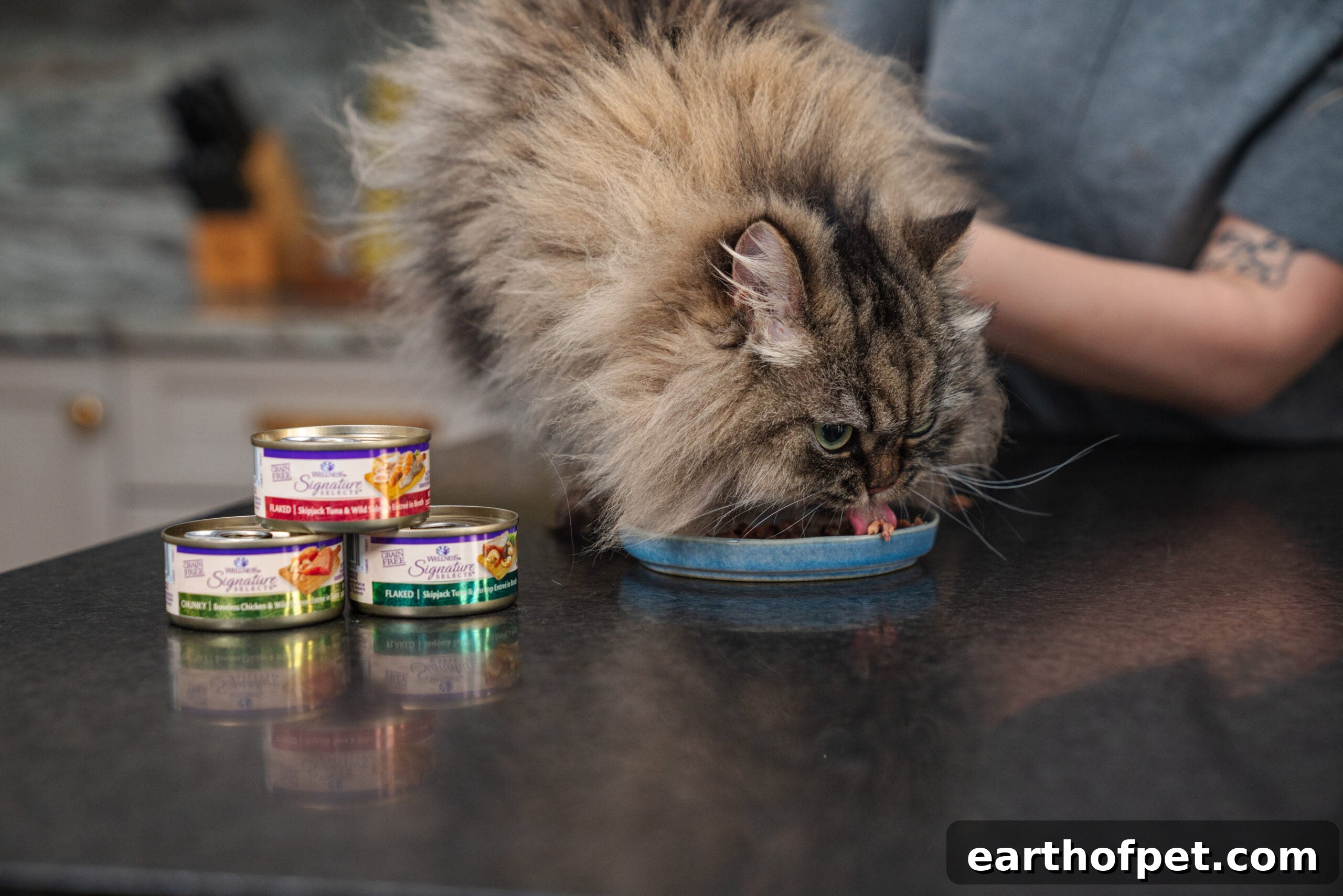
One of the simplest ways to add interest is to include wet food in your cat’s routine. Compared with dry kibble, wet recipes offer a wider array of textures and aromas—pâtés, tender morsels, flakes and shredded meats in sauces—that can make every meal more enticing.
Wet food also supports hydration. Cats evolved from desert-dwelling ancestors and often have a low thirst drive, so many obtain a significant portion of their daily water from food. The American Association of Feline Practitioners (AAFP) and the International Society of Feline Medicine note that feeding high-moisture wet food can help cats that don’t drink enough water on their own.
That doesn’t mean every cat needs only wet food. Many veterinarians recommend a combination of wet and dry diets, which provides the benefits of both while increasing sensory variety at mealtime. For cats that do well on wet diets, choosing carefully formulated recipes with high-quality ingredients and complete, balanced nutrition ensures each meal supports long-term wellbeing.
Veterinary behaviorists emphasize that mealtime is also enrichment. Rotating flavors, textures and serving formats helps indoor cats engage instincts like stalking and exploring, turning feeding into a sensory experience rather than just calorie intake.
Gourmet Variety Means More Than New Flavors
When owners think of variety they often focus on different proteins, but cats notice much more than flavor. Texture plays a major role in acceptance. Some cats prefer smooth pâtés that melt on the tongue, while others favor minced, shredded or flaked formats in broths or sauces.
If your cat turns away from dinner, experimenting with texture can be as important as trying a new protein. Introducing complementary textures alongside different flavors can keep mealtime interesting while maintaining balanced nutrition.
Think of it as crafting a small gourmet tasting menu for your cat: rotating formats and textures can renew interest without upsetting digestive consistency.
Create a Simple Rotation
The aim isn’t to spoil your cat but to engage instincts that have remained for thousands of years. Breakfast doesn’t need to match dinner, and Tuesday can differ from Friday. Here’s a simple weekly rotation you can adapt to suit your cat’s preferences:
| Monday | Tiny Tasters Tuna |
| Tuesday | Signature Selects Shredded Seafood |
| Wednesday | Complete Health Grilled Favorites |
| Thursday | Purrfect Duos (Beef & Chicken) |
| Friday | Tiny Tasters Salmon |
Start small: if your cat already likes certain recipes, rotate just one meal a day rather than changing everything at once. The goal is enough variety to keep mealtime exciting while maintaining digestive and nutritional consistency.
Gourmet Variety Can Encourage Healthy Eating
Adding thoughtful variety can encourage cats to eat regularly. Cats that remain interested in their food are less likely to skip meals—a critical point because prolonged food refusal can lead to serious health issues. The Cornell Feline Health Center warns that extended periods without eating are especially risky for overweight cats, who can be prone to hepatic lipidosis.
Rotating premium, complete recipes introduces new aromas, proteins and textures while maintaining balanced nutrition. Single-serve portions can reduce waste, and a planned rotation helps sustain interest without compromising dietary needs.
Variety at Every Life Stage
Kittens benefit from early exposure to different flavors and textures, which helps them become adaptable eaters. If you feed kitten formulas, including varied wet formats alongside a primary diet can build positive habits early on.
Senior cats may become more selective as their senses or dental health change. Softer, flavorful wet foods can maintain appetite and provide the additional moisture many older cats need. Thoughtful variety supports healthy eating habits across life stages, from playful kittens to senior companions.
Choosing High-Quality Wet Cat Food
With many options available, choose recipes that deliver complete and balanced nutrition, high-quality protein, appealing textures, and hydration. Look for foods formulated with sound nutritional science that meet your cat’s life stage and health needs.
Create Mealtimes Your Cat Looks Forward To
Every meal is an opportunity to nourish more than your cat’s body. It’s a chance to stimulate instincts, satisfy curiosity, and turn a routine into one of the day’s most rewarding moments. By rotating textures, flavors and formats, you can make mealtime engaging and healthful—encouraging consistent eating, better hydration and a happier cat.
If you’re exploring new options, consider balanced wet recipes in different textures, introduce variety gradually, and monitor your cat’s response. Thoughtful changes can revive interest in food, support healthy habits and make every bowl worth purring about.
- Discover creative serving and rotation ideas to keep meals interesting
- Learn how texture influences acceptance and can solve picky-eating challenges
- Find feeding tips to tempt fussy felines and support healthy hydration