
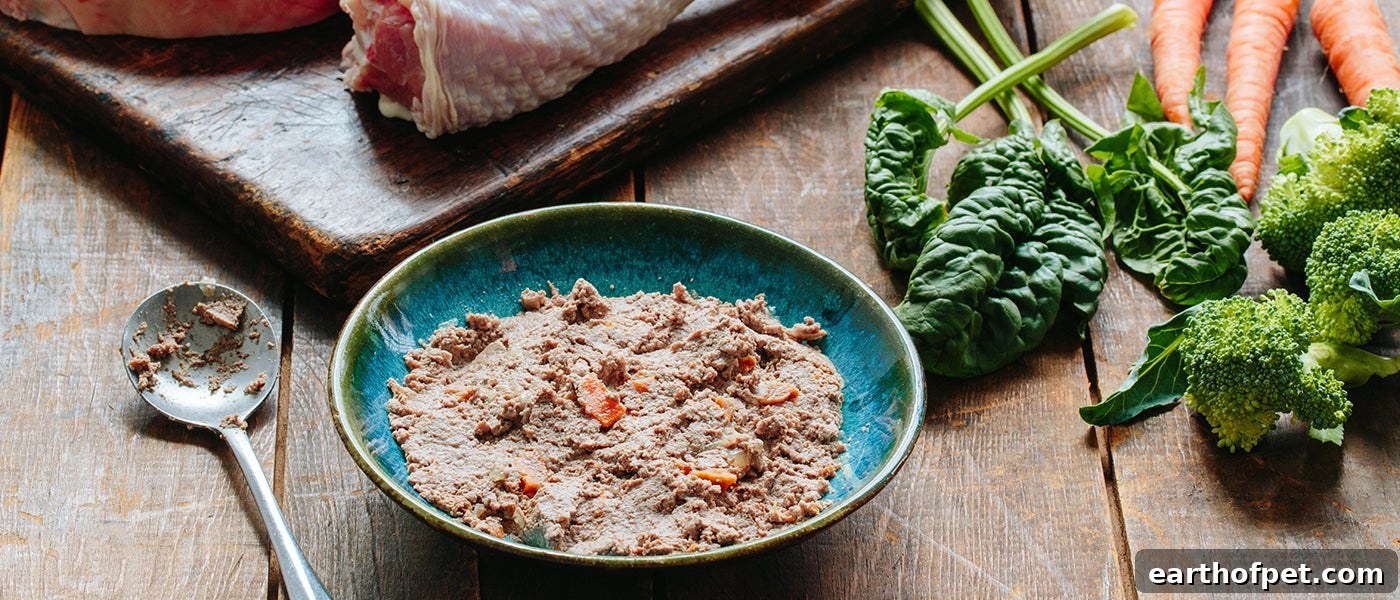
Many pet owners assume dry kibble is the healthier option for dogs, but that’s a misconception. Healthy wet dog food is a nutritious, palatable alternative that can offer distinct advantages for puppies, seniors and adult dogs alike. Below I explain the key benefits of wet dog food and when it might be the better choice for your pet.
The Benefits of Healthy Wet Dog Food
Wet dog food brings several practical and nutritional benefits that can improve your dog’s diet and overall wellbeing. From higher protein content and increased moisture to easier chewing and digestion, wet food can be a smart part of a balanced feeding routine.
Higher Protein and Superior Palatability
Many wet dog food formulas emphasize meat-based ingredients, often providing higher animal protein levels and fewer carbohydrates than some dry kibbles. This is especially valuable for growing puppies who need ample protein to support healthy development, and for adult dogs that benefit from protein-rich meals. In addition, wet food tends to be more flavorful and aromatic, which makes it more appealing to picky eaters or dogs with decreased appetite. If your dog consistently refuses dry food, offering a high-quality wet option can help ensure they get the nutrition they need.
Easier to Chew for Seniors and Dogs with Dental Issues
Concerns about dental health sometimes discourage owners from offering wet dog food, but veterinarians generally agree that wet food will not harm a dog’s teeth when proper dental care is maintained. On the contrary, wet food can be a much better choice for senior dogs or animals with missing teeth, jaw misalignment, or reduced chewing ability. The softer texture reduces the effort required to eat, making mealtimes less stressful and more comfortable for dogs with oral or jaw limitations.
Added Hydration to Support Organ Health
Wet dog food contains significantly more moisture than dry kibble, which helps boost overall fluid intake. For dogs that naturally drink less water, incorporating wet food into their diet is a practical way to increase hydration without forcing water bowls. Proper hydration supports kidney function and urinary tract health and can be particularly helpful for dogs with certain medical conditions such as diabetes or kidney sensitivity. Always follow your veterinarian’s guidance when adjusting moisture levels for a dog with specific health issues.
Easier Digestion and Recovery Support
The soft, often pate-like texture of wet food generally requires less chewing and is easier on the digestive system. Dogs that gulp their food, suffer from indigestion, or have sensitive stomachs may find wet food gentler and more manageable. Wet diets are also commonly recommended for puppies being weaned, and for adult dogs recovering from illness or surgery because the softer texture and higher moisture content can be easier to tolerate and digest.
How to Choose a Healthy Wet Dog Food
When selecting wet dog food, look for products that list a quality animal protein as the first ingredient and avoid formulas with excessive fillers or unnamed meat by-products. Balanced recipes will include a mix of proteins, vegetables, and essential nutrients—vitamins, minerals and antioxidants—to support overall health. Many reputable brands offer both grain-inclusive and grain-free wet formulas, as well as options tailored for puppies, adult dogs and seniors. If you’re unsure which formula suits your pet best, consult your veterinarian to match a diet to your dog’s age, size and health needs.
Combining Wet and Dry Food
Feeding both wet and dry food can combine the benefits of each: dry kibble helps maintain dental abrasion when chewed and is convenient for portion control, while wet food adds moisture, palatability and gentle digestion. A common approach is to offer wet food at one meal and dry at another, or to mix a small amount of wet food with kibble to improve taste and hydration. Ensure you monitor portion sizes and calorie intake to maintain a healthy weight.
In short, healthy wet dog food is a valuable option for many dogs. It can enhance flavor, increase hydration, ease chewing, and support digestion and recovery. Whether you choose wet food exclusively or rotate it with dry kibble, select high-quality formulas and consult your veterinarian to create the best feeding plan for your dog’s individual needs.