How to introduce a new puppy to your dog
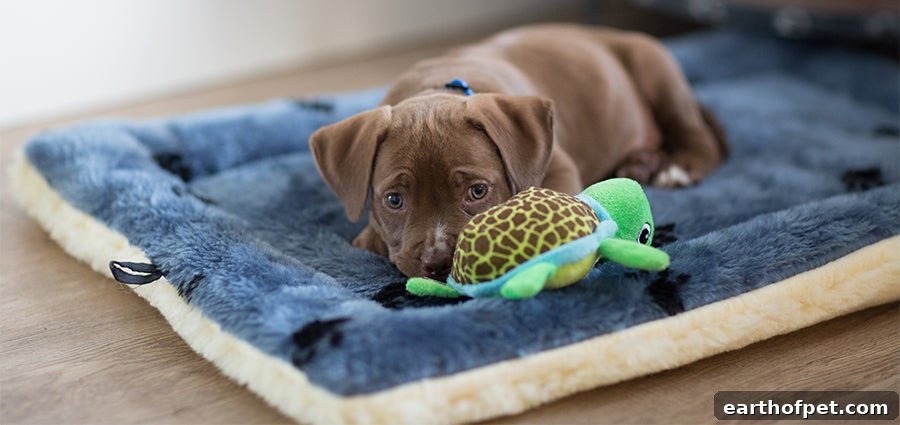
Bringing a new puppy into a home with an existing dog is an exciting moment, but it can also be stressful if you don’t plan for a smooth introduction. Dogs are social, pack-oriented animals, yet each animal needs time to adjust to changes in routine, territory, and relationships. Based on our experience raising multiple dogs, including our newest puppy Kenai, the three key pillars that consistently help a successful puppy introduction are schedule, respect, and exercise. Below we explain practical, humane strategies to introduce a new puppy to your dog and foster long-term harmony in your household.
1. Schedule

Dogs thrive on routine. Keeping your adult dog’s normal schedule intact will reduce stress and create a predictable environment while you integrate the puppy. That means keeping consistent times for meals, potty breaks, walks, and quiet time. At the same time, adapt the schedule to meet the puppy’s needs: repeat potty breaks, short play periods, and extra naps.
When possible, overlap routines so the household operates cohesively. For example, if the adult dog usually eats twice a day and the puppy needs three meals, try to have two meals served at the same time so the adult dog’s expectations remain consistent. This continuity reassures the adult dog that the household structure hasn’t changed, making the transition easier for everyone.
2. Respect
In a natural pack, adult dogs play an important role teaching puppies manners, limits, and how to communicate. If your adult dog is well-adjusted, observe and allow them to model appropriate behavior for the puppy. This hands-off approach often lets social learning happen naturally.
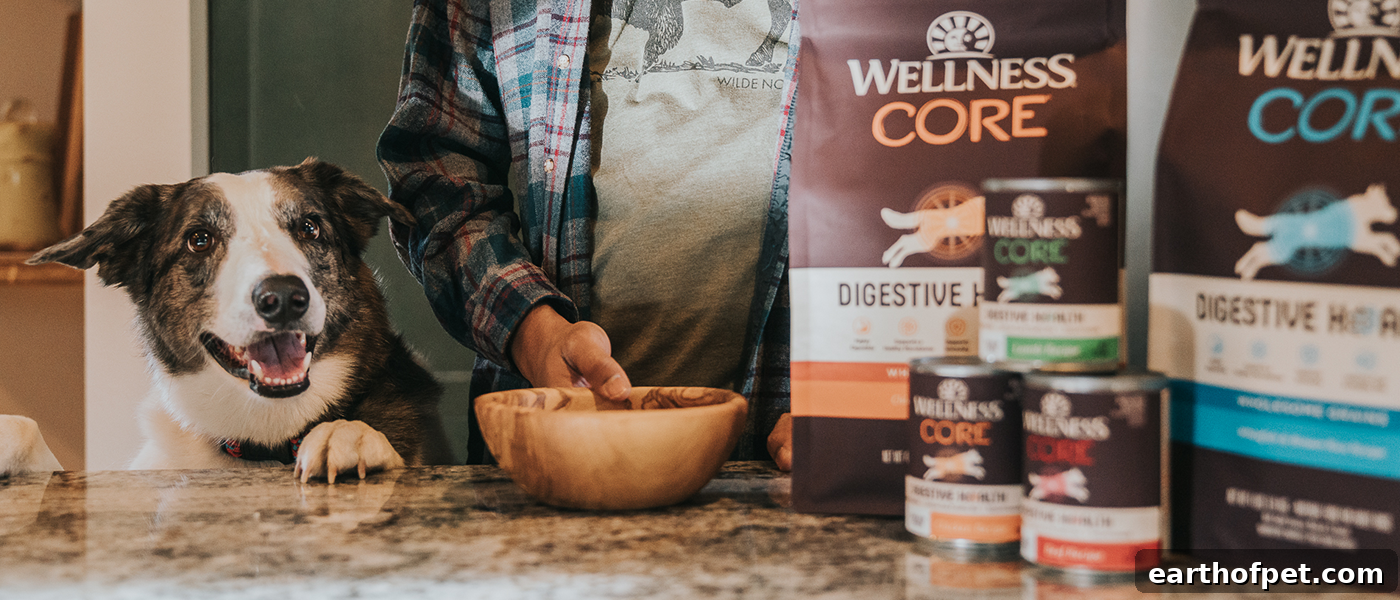
That said, humans should set clear, consistent rules to prevent misunderstandings and to keep interactions safe. One effective opportunity to reinforce leadership and boundaries is during mealtime, since eating can trigger strong instincts. Mealtime routines can teach respect while strengthening bonds:
- Allow adult dogs to begin eating first to reinforce their established role.
- Keep the puppy nearby but calm while the adults eat so the puppy can watch and learn without crowding.
- Have the puppy wait a short time to receive food; this encourages patience and helps the puppy understand limits.
These small, repeatable rituals help the adult dog reaffirm its place and give the puppy consistent signals about acceptable behavior, reducing conflict and promoting cohesive pack dynamics.
3. Exercise

Regular exercise is essential for the physical and mental health of both your adult dog and your puppy. Exercise reduces excess energy that can otherwise fuel unwanted behaviors and irritability during the adjustment period. Walking together and supervised playtime help create shared experiences that support bonding.
For very young puppies or those not yet fully vaccinated, include them safely by carrying them, using a dog stroller, or keeping walks short and controlled. After vaccinations, clean the puppy’s paws with dog-safe wipes if you’ve been in environments that might expose them to contaminants. These practical steps help protect the puppy while still allowing socialization and exposure to new sights, smells, and sounds.
Keep exercise sessions balanced: adult dogs may require longer, more vigorous activity while puppies need shorter bursts followed by rest. Matching activity levels appropriately prevents injury and emotional strain, and supports steady integration into the household routine.
Over the years we’ve learned from mistakes and refined our approach. By prioritizing consistent schedules, respectful boundaries, and regular exercise, you can reduce tension and create a stable environment where both adult dogs and puppies can thrive.
Summary
To create a smooth, positive introduction when adding a new puppy to your dog, follow these three fundamental principles:
1. Schedule
Maintain predictable routines for meals, potty breaks, and exercise so adult dogs feel secure and the puppy learns the household rhythm.
2. Respect
Encourage healthy boundaries and consistent rules. Use predictable rituals—especially at mealtime—to reinforce leadership and promote polite behavior between animals.
3. Exercise
Keep up with appropriate exercise to prevent pent-up energy and frustration. Safely include the puppy in walks and playtime to support bonding and socialization.
These three strategies—consistent scheduling, mutual respect, and thoughtful exercise—help establish lasting bonds of trust, loyalty, and understanding among your dogs, creating a peaceful and happy pack.