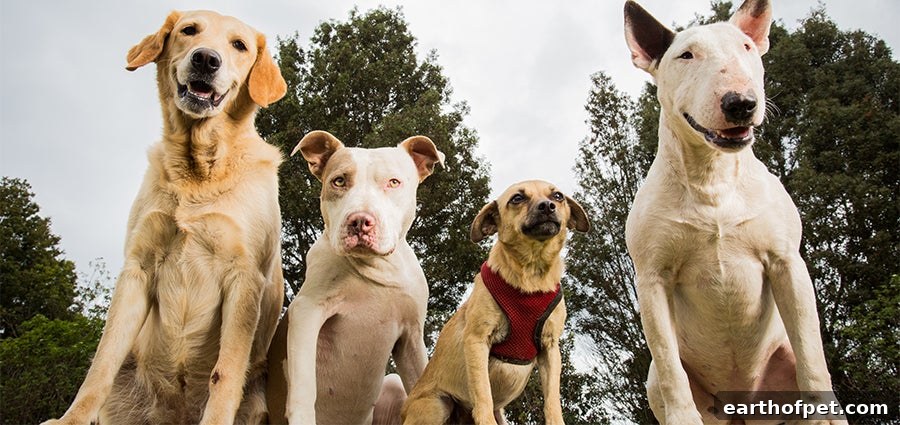
How To Tell What Breed Our Dog Is
“My dog has brown eyebrows, is mostly black with a white chest, has big black-and-brown paws, droopy ears, and chews and licks everything. What breed is my dog?”
Every month thousands of people ask “what breed is my dog?” online, eager to learn more about the dog they adopted. With more than half of U.S. dogs estimated to be mixed-breed and nearly 200 breeds recognized by major kennel clubs, many companion dogs are the result of generations of cross-breeding. That creates a huge variety of appearances, sizes, coat types and temperaments. If you want to identify your dog’s likely breed background, here are ten practical clues and tools to help you figure it out.
1. Small Physical Clues
Certain small physical traits can be strong hints about your dog’s ancestry. Look closely for distinctive features such as:
- A ridge of hair running down the spine in the opposite direction to the rest of the coat — a hallmark of Rhodesian Ridgeback ancestry.
- A blue-speckled or blue-black tongue — commonly associated with Chow Chows but also seen in several other breeds.
- Unusual coat patterns, specialized fur textures, or distinctive facial markings that match a known breed standard.
These features alone aren’t definitive, but they narrow the possibilities and are a good starting point when combined with other clues like tail shape and overall size.
2. Eye Color
Eye color can be informative, but it’s not always conclusive. Many puppies are born with blue eyes that darken with age, so eye color is less reliable in very young dogs. In adult dogs, striking blue eyes are more typical of breeds like the Siberian Husky and Australian Shepherd, so blue eyes in a grown dog may point toward those or related breeds.
3. Paw Size and Shape
Paw size and shape offer practical hints about a dog’s potential adult size and original purpose. Puppies with very large, rounded paws often grow into larger adults. Webbed toes indicate water-friendly ancestry — breeds such as the Newfoundland, Labrador Retriever, Portuguese Water Dog and several water spaniels and pointers commonly have webbing. Dogs bred for cold climates, like Saint Bernards and Newfoundlands, tend to have large paws with thick pads to move over snow and ice.
4. Length of Legs
Short legs and a long body are characteristic of several established breeds and are unlikely to “grow out” as the dog matures. Breeds like Basset Hounds, Dachshunds and Pembroke Welsh Corgis carry genetic traits for shorter limbs (a condition called chondrodysplasia). If your dog stands with toes turned slightly outward and has a long torso, those breeds are likely contributors.
5. Their Tail
Tail shape can be a useful identifier. A tightly curled “corkscrew” tail is typical of breeds such as the Pug, Basenji, Shiba Inu, Akita and several spitz-type dogs. A high, plume-like tail or a long straight tail can suggest other breed groups. Keep in mind that tails can be docked for cosmetic or historical reasons, which can obscure this clue.
6. Their Size and Energy
Size alone doesn’t predict behavior. Small breeds like Yorkshire Terriers or Miniature Pinschers can be highly energetic, while larger working or herding breeds often have high exercise needs and strong instincts to herd or chase. Observing your dog’s energy level, attention span, prey drive and how they respond to training can indicate whether they descend from working, herding, sporting or companion lines.
7. Purebred or Mixed Breed
Some dogs are deliberate hybrids — “designer” crosses like Labradoodles, Goldendoodles, Puggles and Cockapoos — and shelters or breeders can sometimes identify those mixes by appearance and behavior. Other dogs are mixed-breed mutts with a blend of many ancestors. Shelter staff and experienced rescue volunteers often have a good eye for likely mixes, but visual identification has limits.
8. Their Coat
Coat type and shedding patterns are useful clues. Breeds often described as hypoallergenic (low-shedding or producing less dander) include Poodles, Bichon-type dogs, Yorkshire Terriers, Lhasa Apsos and some terriers. No breed is truly 100% hypoallergenic, but if you tolerate your dog better than other dogs and your dog sheds very little, one of these low-shed breeds could be in the background.
9. Ask an App
There are mobile apps that attempt to identify breed from a photo by comparing your dog to large image databases. These can give quick suggestions and point you toward likely matches, but results vary in accuracy. A veterinarian can also offer an informed opinion during a routine checkup based on anatomy, coat, teeth and behavior.
10. Dog DNA Test
A commercial dog DNA test gives the most definitive answer available without pedigree papers. Most tests use a cheek swab you collect at home and mail to a lab that compares your dog’s DNA to reference panels. Results typically list breeds and the percentage each contributes to your dog’s makeup, plus breed-specific health markers. Knowing a dog’s genetic background helps you understand inherited behaviors, anticipate potential health concerns and tailor training and care to match inherited traits.
Learning more about your dog’s breed background can deepen your understanding of their behavior and health needs and strengthen the bond between you. Whether your dog is a purebred, a designer cross, or a lovable mutt, attention to diet, exercise and veterinary care will keep them happy and healthy. High-quality nutrition suited to your dog’s size and life stage, routine exercise, mental stimulation and regular veterinary checkups are beneficial for dogs of every breed mix.