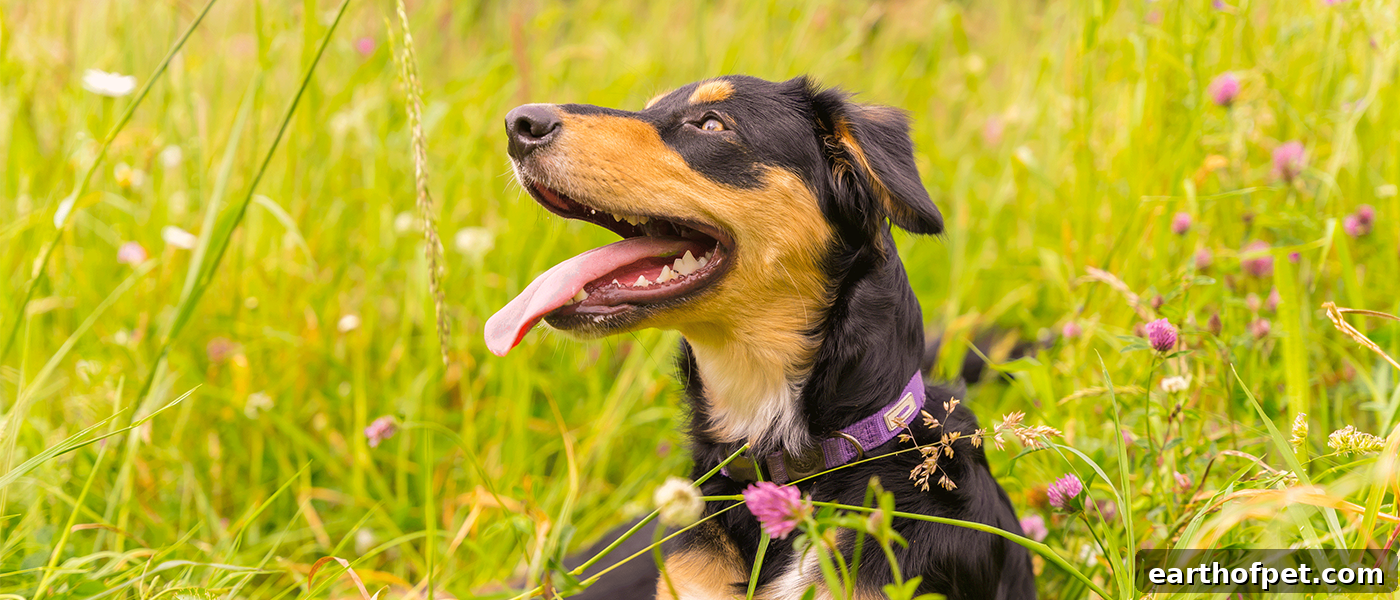
Have you noticed your dog seems livelier now that the days are longer and the weather is warmer? Many dogs show more enthusiasm in spring—running in the yard, digging, rolling in fresh grass or simply bounding through the house. That extra “pep” can be normal, and it’s often the result of more opportunities to be active and engaged rather than a direct effect of temperature on their metabolism.
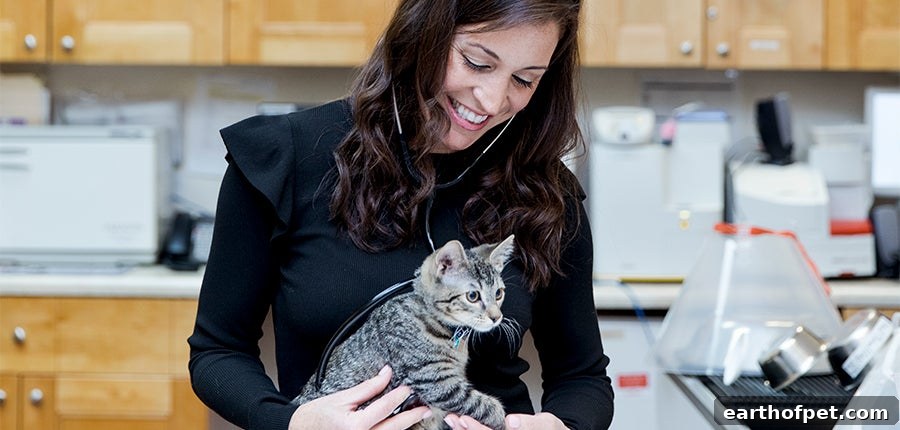
“The warmer weather shouldn’t impact itself on a dog’s energy levels but the warmer temps definitely mean we can head out and do a whole lot more with our dogs outside and for them this is most definitely exciting and something they love so they may come across as a little more excitable,” says Dr. Danielle Bernal, BVSc, MRCVS, Global Vet Nutrition Director at Wellness Pet Company. In short: spring gives dogs more things to see, smell and do, and that stimulation often translates into higher energy and excitement.
Below are practical, safe and simple ways to channel that energy into healthy, positive outlets so both you and your dog can enjoy the season.
GET MORE EXERCISE
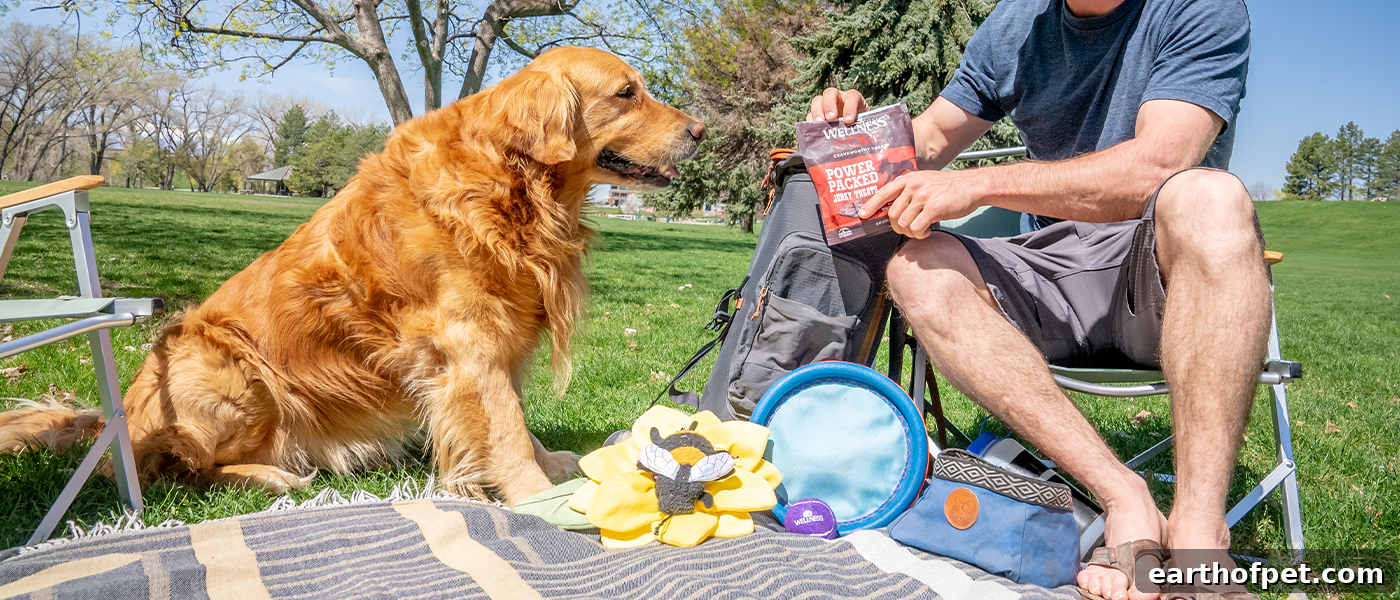
Longer daylight hours are the perfect opportunity to extend walks, add a second shorter stroll, or schedule play sessions in the yard. Regular physical activity supports body condition, helps control weight, and reduces excess energy that can lead to unwanted behaviors. Before increasing intensity, check for existing health issues—arthritis, joint pain or other conditions can be worsened by sudden changes in routine or too much hard activity.
Exercise benefits dogs physically and mentally. New routes, different smells, and social contact with other dogs or people provide stimulation and enrichment. Dr. Bernal notes that “almost 60 percent of our pets are overweight or obese,” so increasing safe daily activity can help improve overall wellbeing and maintain a healthy body condition.
KEEP UP WITH TRAINING PRACTICES
Spring is a great time to resume or reinforce training habits that may have slipped over winter. Address common issues like jumping, excessive barking, or pulling on the leash with short, consistent training sessions. Positive, reward-based methods—treats, praise, or a favorite toy—work well and also provide mental exercise, which tires dogs in a productive way.
Even five to ten minute training bursts scattered through the day help reinforce desired behaviors and give your dog purpose. Incorporating new commands or tricks keeps their mind active and strengthens the bond between you and your pet.
STIMULATE THEM WITH NEW TOYS
Rotating toys and introducing puzzle feeders or interactive playthings can keep your dog occupied and mentally engaged. Puzzle balls, treat-dispensing toys, and snuffle mats encourage problem-solving and natural foraging behaviors, which are calming and satisfying for many dogs. Rotate toys weekly so each one feels novel, and watch how your dog responds to different types of enrichment.
For chewing dogs, choose safe, durable options that match their size and chewing style. Supervise new toys and chews at first to ensure they’re appropriate and that pieces don’t break off and create a choking hazard.

OCCUPY THEM WITH APPROPRIATE CHEWS
Long-lasting chews and enrichment treats can be a great way to keep an excitable dog calm while you work or relax at home. Some chews are designed to be rawhide-free and flavored with calming ingredients such as chamomile extract. Choose products that are size-appropriate and made from safe ingredients, and always follow package guidance and supervise chewing sessions.
Chewing is a natural, species-specific behavior for dogs and providing good outlets for it can reduce destructive chewing and keep them focused on an acceptable task.
ADDITIONAL TIPS FOR A HAPPY SPRING
– Keep a consistent daily routine: predictable feeding, walking and play times help manage energy and expectations.
– Hydration matters: warmer weather increases the need for fresh water—make sure it’s always available.
– Watch body condition: extra activity can help control weight, but monitor appetite and adjust food amounts as needed in consultation with your veterinarian.
– Supervise outdoor play: check the yard for hazards and be mindful of seasonal risks like early spring pollen or pests.
If your dog’s energy level changes suddenly or is accompanied by unusual behaviors, consider a veterinary check to rule out medical causes. Otherwise, embrace the season—more walks, new games and a few smart enrichment tools can make spring an enjoyable, healthy time for both of you.
Share photos of your dog enjoying spring and mention @wellnesspetfood on social media if you like—we love seeing pets out and about in the sunshine.