
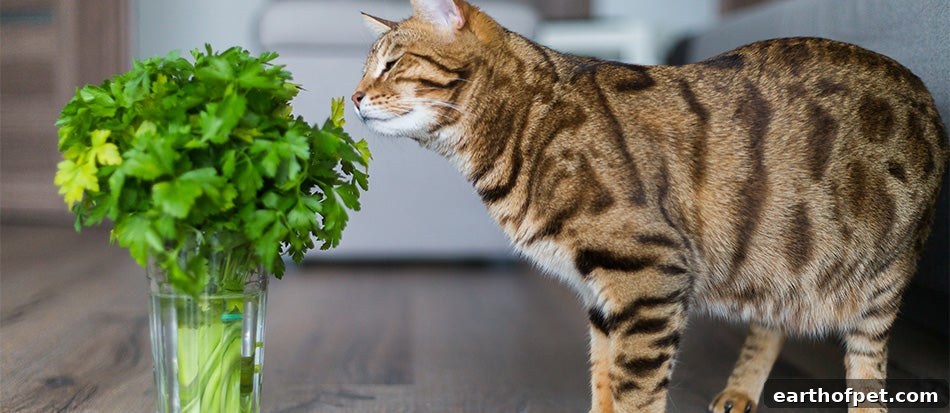
Attention pet owners: March is Poison Prevention Awareness Month, an ideal time to inspect your home and learn which common items can be toxic to dogs, cats, and other pets. Many everyday foods, household products, and plants pose real risks, and quick recognition of warning signs can make the difference between a close call and a tragedy. Below are practical, easy-to-follow steps to improve pet safety, prevent accidental poisonings, and prepare for emergencies.

Inspect!
Regular, systematic inspections of your home help you identify potential hazards before a curious pet encounters them. Walk through each room with pet safety in mind and remove or secure anything that could be harmful. Below are room-by-room highlights to check during your inspection.
Kitchen
The kitchen is one of the highest-risk areas for pet poisonings. Many human foods that seem harmless can cause serious harm to dogs and cats. Keep these foods out of reach and never feed them intentionally without first consulting your veterinarian:
- Chocolate, cocoa, coffee, and other sources of caffeine or theobromine
- Grapes and raisins
- Raw or undercooked yeast dough (risks include expansion and gas buildup)
- Macadamia nuts
- High-salt foods
- Garlic, onions, chives, and other allium plants
- Avocado
If you plan to share human food, check with your veterinarian about which items are safe in small amounts. When in doubt, keep pets away from counters, tables, and trash where tempting morsels may be found.
Bathroom
Bathrooms commonly store medications and personal-care products that can be dangerous. Store these items in locked cabinets or high shelves that pets cannot access. Items to secure include:
- All human medications and any pet medications not currently prescribed for that pet
- Household and bathroom cleaning products
- Shampoos, conditioners, bath salts, and other grooming products
- Essential oils and concentrated fragrances
Living Room & Other Areas
Potted plants, hobbies, and everyday household items can also pose risks. Research any plant you bring into your home—many common species are toxic to pets. Other items to keep out of reach include:
- Batteries (chewing can cause burns or heavy metal exposure)
- Potpourri and scented beads
- Insecticides, rodenticides, and other pest-control products
- Plant fertilizers and plant food
- Antifreeze and windshield washer fluids (contain ethylene glycol)
- String-like objects such as yarn, dental floss, rubber bands (risk of intestinal obstruction)
Secure!
Always secure potentially harmful items in pet-proof cabinets or use childproof locks. Consider these practical tips:
- Keep all medications in locked, dry containers and store human and pet medications separately.
- Label medication clearly and never transfer pills between containers that could be confused.
- Keep trash, compost, and recycling bins secured or behind closed doors.
- Place plants and hazardous supplies out of reach or avoid keeping them in the home entirely.
Learn!
Take time to educate yourself about what is toxic to your particular pet species and breed. Your veterinarian is the best source for tailored advice about foods, medications, and plants. Local animal control, pet poison hotlines, and veterinary emergency clinics also provide guidance for specific hazards.
Read!
Always read product labels and follow safety instructions. Labels often include warnings about hazards to children and pets. Before giving any medication, supplement, or topical treatment to your pet, read the directions carefully and follow your veterinarian’s instructions exactly.
Know!
Recognize the common signs of poisoning so you can act quickly. If your pet shows any of the following symptoms, contact your veterinarian or an animal poison control center immediately:
- Vomiting or repeated retching
- Diarrhea
- Difficulty breathing or rapid breathing
- Severe lethargy, weakness, or collapse
- Seizures or uncontrollable tremors
If you cannot reach your regular veterinarian, contact your local emergency veterinary hospital or an animal poison control service such as the ASPCA Animal Poison Control Center for urgent advice.
Prepare!
Preparation reduces panic during an emergency. Keep important phone numbers and resources easily accessible—your veterinarian’s number, the nearest emergency clinic, and the number for an animal poison control center. Consider posting these contacts near your home phone, saving them in your mobile phone, and storing a basic pet first-aid kit for minor incidents.
Poison prevention for pets relies on awareness, simple precautions, and quick action. By inspecting your home, securing dangerous items, educating yourself, and knowing what to do if an incident occurs, you can significantly reduce the risk of accidental poisoning and keep your pets safe and healthy year-round.