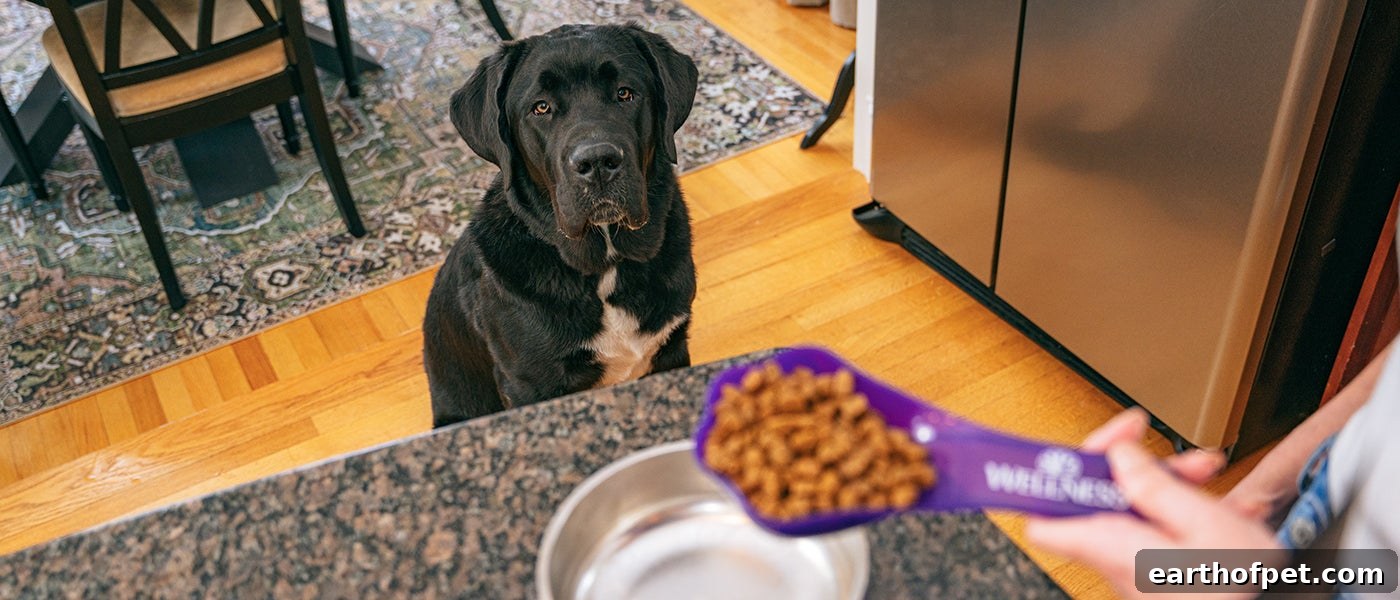
Every dog and cat is unique, so ideal feeding amounts vary by age, size, activity level, breed and environment. Before leaving the Best Friends site, confirm which Wellness pet food the animal is currently eating, including the amount and the number of feedings per day.
Use feeding guidelines as a starting point and adjust based on your pet’s condition and activity. Serve wet food at room temperature and avoid leaving it out for more than 30–45 minutes. Always provide access to fresh, clean water.
To preserve freshness, refrigerate any unused wet food for up to 3–4 days in an airtight container. Store dry foods at room temperature in their original bag or in an airtight container away from direct sunlight.
Feeding recommendations appear on every dry product—either on the back label or the bottom of the bag, depending on bag size—and on every wet food can label.
Combination Feeding
Combining dry and wet food is common and varies by species and product. For exact mixing ratios, check the product packaging or the specific Wellness product page under the “Feeding Guidelines” tab.
Transitioning to a New Food
The best way to switch diets is gradually. Mix the new food with the current diet so your pet adjusts to the taste and avoids overeating. Begin by combining 10% new food with 90% of the present diet. If stools remain normal, increase the new food by 10% each day while decreasing the old food by 10%. If stools become loose or soft, revert to the previous day’s mix and continue at that level until the stool normalizes. A full transition usually takes 7–10 days.
When a gradual transition isn’t possible, try these approaches to ease the change:
- Offer several smaller meals throughout the day to prevent overeating and help maintain consistent, firm stools—especially useful for puppies and senior dogs.
- Add a small amount of warm, clean water to soften dry food.
- Include gentle digestive aids such as plain boiled rice or canned 100% pumpkin.
Treat Feeding Recommendations (Crunchy, Semi-Moist & Soft)
Treats should ideally make up no more than 10% of your pet’s daily calories. Overfeeding treats contributes significantly to pet obesity—about 41% of dogs and 33% of cats are overweight. For perspective, a single bacon slice for a dog can be calorically equivalent to many slices for a human, so measure treats carefully.
Treat Feeding Recommendations (Dental)
- Dental disease affects about 80% of adult dogs1.
- In senior dogs over 12 years of age, dental disease can affect up to 96%2.
- Only around 14% of pets receive professional dental care3.
- Only about 2% of pet owners brush their dog’s teeth regularly4.
Plaque and tartar build-up can begin in as little as 24 hours5, contributing to bad breath and dental disease. Daily tooth brushing is ideal but not always practical. For many dog owners, a daily dental chew like WHIMZEES can be an effective, convenient supplement to yearly veterinary care to help reduce plaque, tartar and bad breath.
What Goes into Wellness Pet Nutrition?
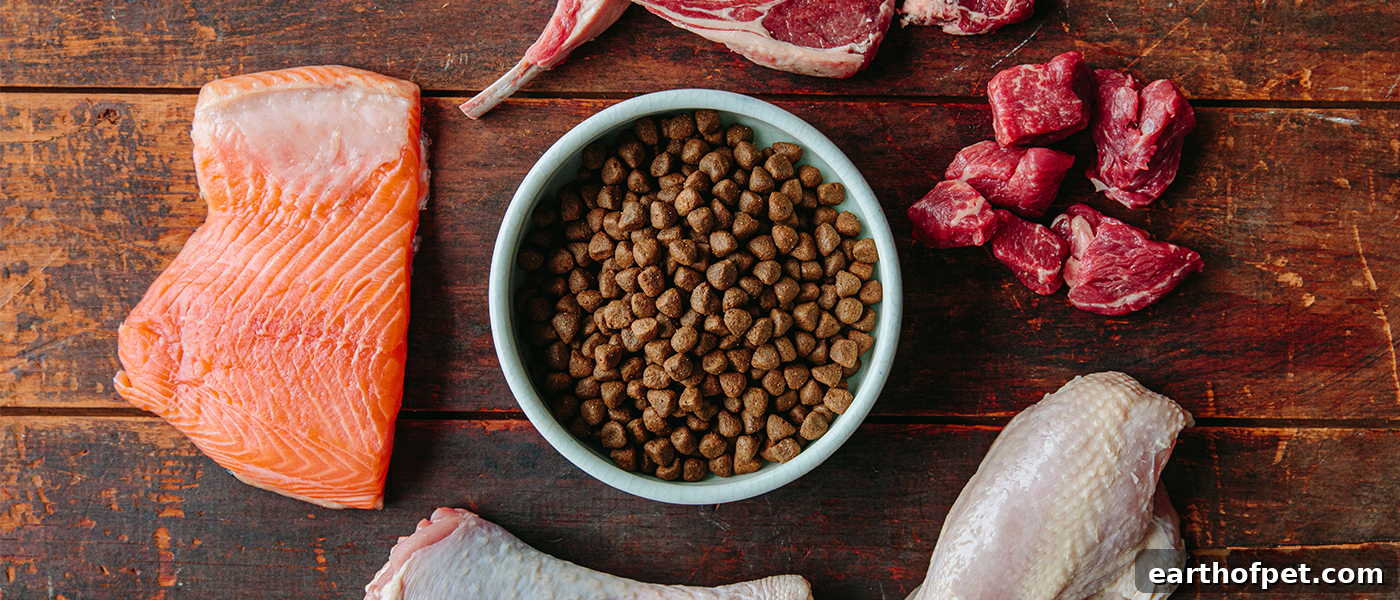
Wellness recipes are developed by nutritionists and veterinarians using quality ingredients from plant, animal and mineral sources. The formulas do not contain artificial preservatives or colors. Each recipe is balanced to combine lean meats, whole grains, fruits and vegetables selected to support overall health. Wellness pet foods avoid wheat, corn and soy, and they contain no added artificial flavors, colors or preservatives. You can trust the sourcing and the quality controls that go into each bowl.
Standards in Manufacturing and Quality Control
Wellness is committed to high standards of pet food safety and consistent product quality. The Quality Assurance program adheres to strict safety measures that meet and often exceed Food and Drug Administration (FDA) and Association of American Feed Control Officials (AAFCO) recommendations. Quality control spans every stage—from sourcing the freshest ingredients and requiring supplier HACCP (Hazard Analysis Critical Control Points) programs to rigorous manufacturing audits and final product inspections. Wellness partners are chosen for their adherence to these strict standards to ensure the safest, most reliable pet nutrition.
Wellness describes its approach as “passionately picky”—a commitment to do whatever it takes to protect pet health and maintain consistent product excellence.
Life Stage and Nutrition
Different life stages and breed sizes require tailored nutrition:
- Energy (fats and protein)
- Small-breed puppies often need higher energy levels to match their faster metabolism.
- Calcium and phosphorus
- Large-breed puppies require controlled calcium and phosphorus to support healthy bone development.
- Small vs. large mouths
- Kibble size matters—smaller kibble is easier for petite, fussy breeds to eat.
Puppies and kittens reach maturity at different ages; consult your veterinarian before transitioning to an adult diet, since they know your pet’s individual needs best.
Balanced nutrition supports a long, healthy life for adult dogs and cats. Key considerations include:
- Optimal nutrition
- Breed-size tailored protein, fats and carbohydrates
- Digestive-friendly fiber to enhance nutrient absorption
- Joint support for large and giant breeds
- Hairball control for long-haired cats
- Reduced-calorie options for indoor or less-active cats and vitamin and mineral support for immune health
- Maintaining dental health
- About 80% of pets show signs of dental disease by around two years of age
- Proper dental care can help extend a pet’s healthy lifespan
- Dry kibble offers crunchy texture that helps reduce plaque buildup
- Nourishing skin and coat
- Skin and coat condition reflects internal health
- Poor diets can lead to dull, brittle coats
- High-quality animal protein (the skin and coat are largely protein) and a balanced Omega fatty acid ratio support healthy skin and a glossy coat
As pets age, they may experience weight changes, reduced immune function, difficulty chewing, or decreased mobility. For senior pets, prevention is essential: start senior-focused nutrition before problems arise. Age-related changes often include loss of lean muscle and increased body fat—so higher-quality animal protein and adjusted fat levels can help maintain muscle mass and healthy weight. Antioxidants support immune function, while joint-supporting ingredients such as glucosamine and chondroitin sulfate can help minimize further joint wear. Easy-to-chew kibble with polyphosphate coatings can assist pets with dental sensitivity.

Questions?
If you have questions, contact the Wellness Food for Pets Consumer Affairs team. They are available Monday through Friday, 8 AM–5 PM ET, by email at [email protected] or by toll-free phone at (800) 225-0904.