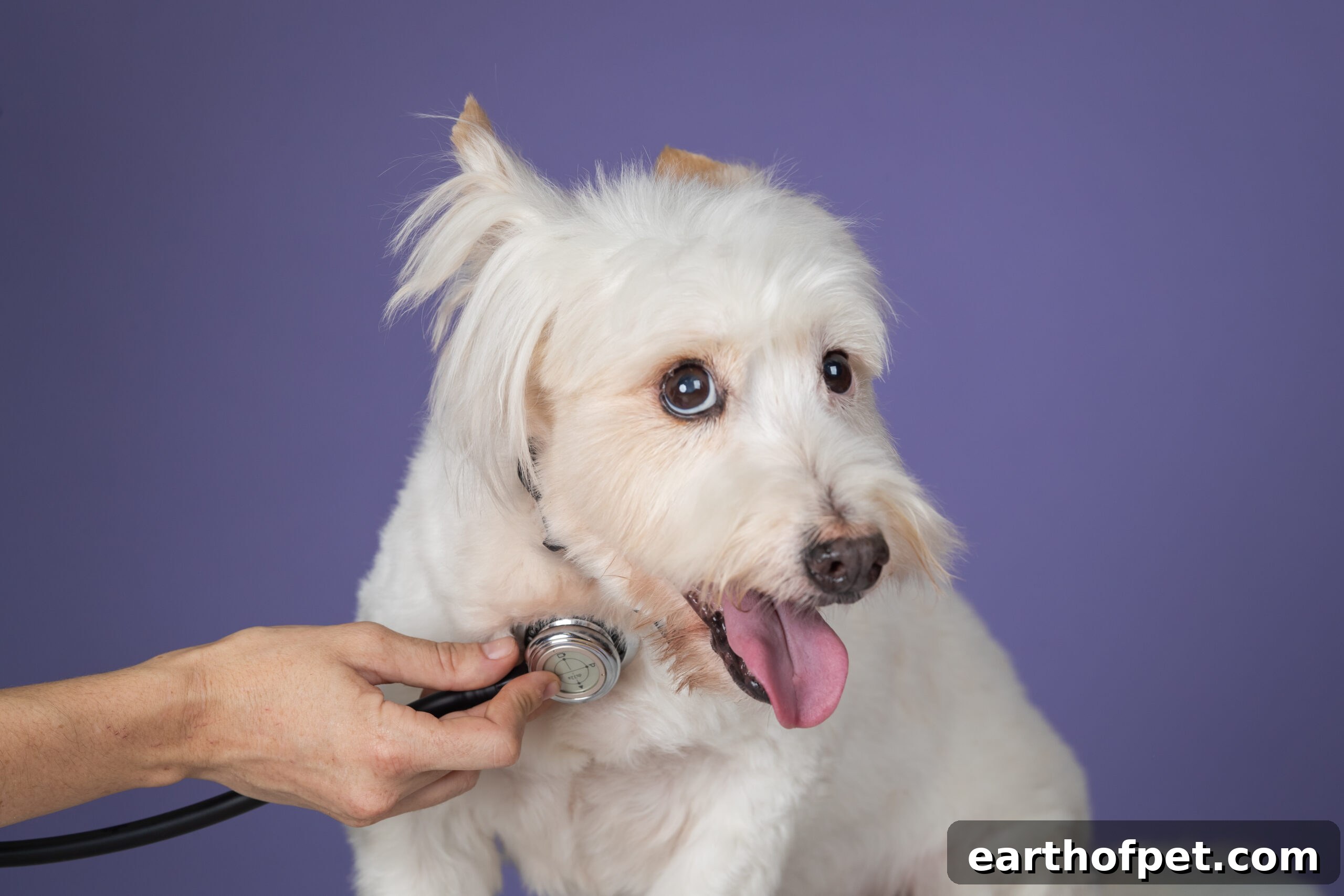
Why Advanced Health Monitoring Matters for Every Dog
As devoted pet owners, we carefully manage our dogs’ daily needs—from exercise and diet to regular veterinary checkups. Yet dogs often hide pain and discomfort, making it difficult to detect early signs of illness. Dr. Asaf Dagan, Chief Veterinarian at PetPace, explains this instinct plainly:
“It is a dog’s natural instinct to mask their pain and discomfort until the disease has progressed.”
Because dogs cannot tell us when they feel unwell, many health problems remain unnoticed until they become advanced. Short veterinary visits, stress during exams, and subtle behavioral changes that can be misinterpreted or missed altogether all contribute to delayed diagnosis. Recognizing these limitations has led to new approaches that supplement traditional care with continuous, objective monitoring.
How PetPace Health 2.0 Improves Early Detection
PetPace Health 2.0 goes beyond basic activity and GPS tracking. It collects real-time biometric data—such as heart rate variability, respiratory rate, and temperature—and includes a pain indicator. These additional metrics provide a more complete picture of a dog’s condition and can help detect changes that aren’t visible during a brief clinical exam.
Continuous monitoring can be particularly valuable in several areas:
- Seizure-prone dogs: early alerts and detailed records can support faster intervention and better long-term management.
- Cardiac health: regular tracking of heart rate variability and other vitals may help owners and veterinarians identify trends related to heart disease earlier.
- Orthopedic conditions: subtle shifts in activity patterns or pain indicators can reveal osteoarthritis or mobility issues before they severely impact quality of life.
“Other smart collars measure only activity and location, which are insufficient to accurately determine a dog’s true health condition.”
Dr. Dagan
A Practical Companion to Veterinary Care
Monitoring devices like PetPace Health 2.0 are not meant to replace veterinarians. Instead, they act as an extension of clinical care—providing continuous data that complements periodic exams. This data helps veterinarians see patterns and changes over time that might otherwise go unnoticed, leading to earlier consultations, more targeted diagnostics, and timely treatment decisions.
For owners of dogs susceptible to seizures or chronic diseases, the value of timely information is clear. Early detection through continuous monitoring enables faster responses during acute events and supports better long-term disease management. When used alongside routine veterinary care, these insights can improve quality of life and enable more informed discussions about prevention and treatment options.
What Owners Can Expect
Using an advanced health collar is straightforward. The device collects physiological data passively and securely, sending alerts when readings fall outside established patterns. Owners receive objective, actionable information rather than relying only on subjective observations of behavior. This sense of awareness reduces uncertainty and helps pet guardians act quickly when something changes.
Because dogs often underplay their discomfort, objective biometrics offer a clear advantage. Regularly reviewing trends in heart rate variability, respiration, temperature, and pain indicators creates a long-term health record that supports proactive care—catching issues sooner, improving outcomes, and reducing the stress of guesswork.
Conclusion
The answer to whether a seemingly healthy dog can benefit from advanced monitoring is yes. Continuous biometric tracking does more than record activity and location: it uncovers physiological signals that reveal stress, pain, and early signs of disease. This technology builds a bridge between pets and their owners, empowering caregivers with timely, accurate information and strengthening the partnership with veterinarians.
For owners who want to take a proactive approach to their dog’s well-being, advanced monitoring offers meaningful benefits—peace of mind, earlier detection of problems, and better-informed care decisions.
Get your PetPace here: /product/collar-v3/