Dog pregnancy is an exciting and sometimes demanding journey for breeders and pet owners alike. From conception through whelping and the first weeks of puppy care, understanding the stages of a pregnant dog, recognizing signs and symptoms, and preparing properly will help ensure the best possible outcomes for both the mother and her litter.
The Early Stages: Signs and Symptoms
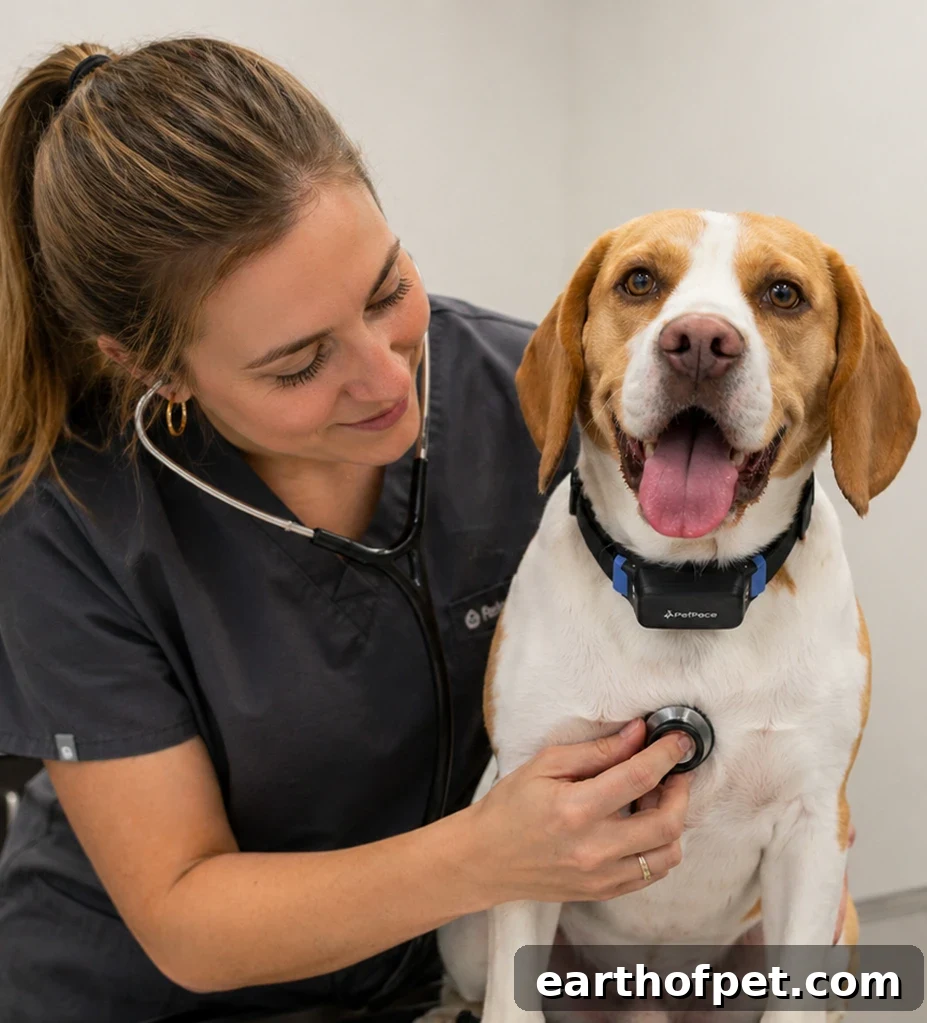
In the first weeks after conception, signs of pregnancy in dogs can be subtle. Owners may notice changes in appetite, mild lethargy, or slight weight gain. Behavioral shifts—such as increased affection, clinginess, or, conversely, a desire for solitude—are also common. A veterinary exam, including palpation or ultrasound at the appropriate time, can confirm pregnancy and help estimate litter size and fetal development.
Common early signs of pregnancy in dogs include:
- Behavioral changes: More cuddly or withdrawn behavior as hormones shift.
- Physical changes: Slight enlargement of the abdomen, darker or enlarged nipples, and gentle weight gain.
- Hormonal indicators: Blood tests can detect pregnancy-associated hormone changes when performed by a veterinarian.
Mid-Pregnancy: Nutrition and Care
By the middle of gestation, typically around the fourth week onward, the nutritional and care needs of a pregnant dog change. Quality nutrition plays a central role in supporting fetal growth and maintaining the mother’s health. Transitioning to a high-quality diet formulated for pregnant or nursing dogs helps provide extra calories, protein, and essential nutrients. Consult your veterinarian to choose the best diet and determine feeding amounts tailored to your dog’s breed, size, and condition.
Key considerations during mid-pregnancy include:
- Diet: Gradually increase food intake with a focus on high-quality protein and balanced fats to support developing puppies and the mother’s reserves.
- Exercise: Continue moderate, low-impact exercise to maintain muscle tone and circulation, but avoid strenuous activities or competitions.
- Health monitoring: Schedule regular veterinary visits for wellness checks, weight monitoring, and any recommended diagnostics to ensure both mother and fetuses are healthy.
The Final Stages: Preparation and Whelping
As the due date approaches, a pregnant dog often begins nesting behaviors, seeking a quiet, comfortable, and secure place to deliver her puppies. Preparing a dedicated whelping area well in advance allows the mother to become familiar with the space and reduces stress at the time of labor. A whelping box should be warm, draft-free, and large enough for the mother to lie down comfortably while allowing puppies room to move.
Preparing for whelping involves:
- Setting up a whelping box: Choose a clean, sturdy box with soft, washable bedding and low sides so the mother can step in and out easily while preventing puppies from wandering.
- Gathering supplies: Keep clean towels, disposable gloves, blunt-ended scissors, a bulb syringe, and antiseptic on hand. Have your veterinarian’s contact information readily available.
- Monitoring: Watch for signs of labor such as restlessness, nesting, panting, decreased appetite, and a drop in body temperature. Be prepared to assist or seek veterinary help if labor becomes prolonged or difficult.
Post-Pregnancy: Caring for the New Family
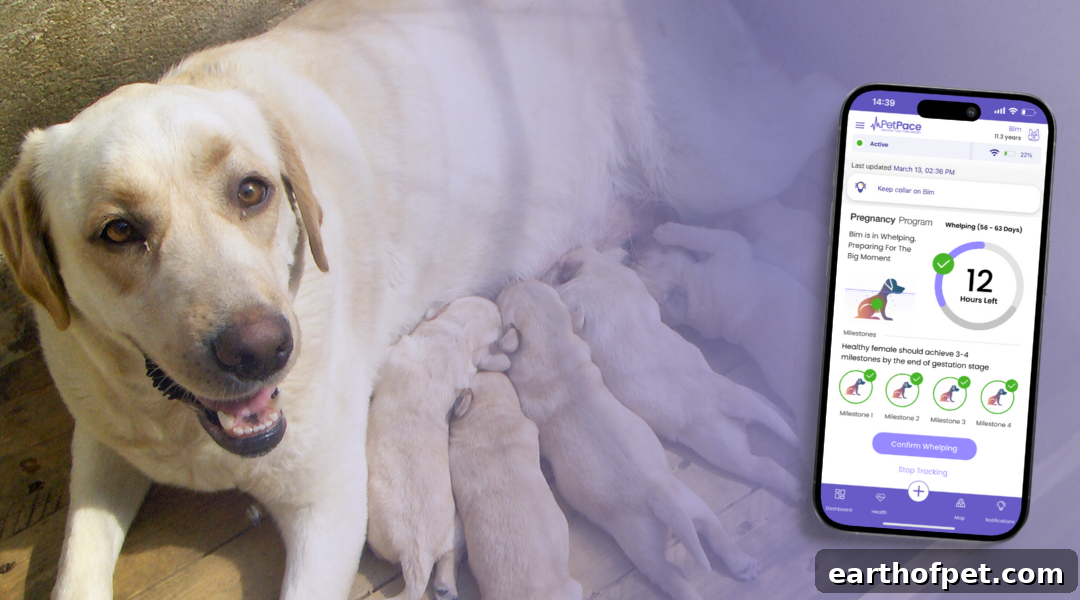
Once the puppies are born, the mother’s needs change again. Nursing increases her caloric and fluid requirements, so providing nutrient-dense food and constant access to fresh water is essential. Keep the whelping area clean and monitor both the dam and her puppies closely for signs of infection, inadequate milk production, or failure to thrive in the neonates.
Post-pregnancy care tips include:
- Nutrition: Offer high-calorie, nutrient-rich food formulated for lactation. Frequent, smaller meals can help meet increased energy needs.
- Hygiene: Change bedding regularly and keep the area dry to reduce the risk of mastitis and other infections.
- Puppy health: Observe puppies for steady weight gain, warmth, and active nursing. Consult your veterinarian if any puppy appears weak, is not gaining weight, or if the mother shows signs of illness.
Common Challenges During Dog Pregnancy
While many pregnancies progress smoothly, being aware of potential complications helps owners act quickly if problems arise. Early recognition and timely veterinary care can prevent serious outcomes.
- Morning sickness: Nausea or occasional vomiting can occur early in pregnancy; persistent symptoms should be evaluated by a veterinarian.
- Eclampsia: Also known as milk fever or hypocalcemia, this condition results from low blood calcium and can cause restlessness, tremors, or collapse. It requires immediate veterinary attention.
- Dystocia: Difficult or prolonged labor may indicate dystocia, which can endanger both the mother and her puppies. Veterinary intervention, including possible cesarean section, may be necessary.
Staying informed, keeping regular veterinary appointments, and monitoring the mother and puppies closely will help minimize risks and support a healthy pregnancy and whelping experience.
Introducing the PetPace Pregnancy Program
To support dog owners and breeders through the pregnancy journey, PetPace offers a Pregnancy Health Monitoring program that leverages advanced AI-based alerts and continuous monitoring. This system is designed to track a dog’s normal parameters, detect deviations during gestation, and provide timely alerts as labor approaches, helping owners respond promptly to potential issues.
How the PetPace Pregnancy Program works:
- Learning: The program establishes baseline health patterns for each dog so it understands what is normal for that individual.
- Gestation health monitoring: Continuous tracking during pregnancy looks for signs that deviate from established baselines, enabling early detection of potential concerns.
- Whelping time alerts: The system sends notifications when labor signs are detected, allowing owners to prepare and seek assistance if needed.
This comprehensive approach helps reduce anxiety for owners and improves preparedness for labor and delivery. PetPace currently offers plans such as a four-month option for $99 or a one-year option for $149, providing flexible choices for different needs.
Whether you are an experienced breeder or a first-time owner, a well-informed approach to dog pregnancy—backed by regular veterinary care and practical preparation—will help ensure the healthiest possible outcome for the mother and her puppies.