Puppy Safety
Congratulations on your new puppy! The first months are full of milestones and questions: when can puppies have treats, when is it safe to take them on their first walk, and when should they meet other dogs? This guide covers practical, veterinarian-recommended guidance to help you keep your puppy healthy, happy, and well socialized while minimizing risks.
WHEN CAN PUPPIES HAVE TREATS?
Puppies grow quickly, and their nutritional needs change as they develop. In general, most puppies can begin eating small, soft treats after about two months of age, but you should confirm timing and specific recommendations with your veterinarian. Your vet can advise on the right type of food, appropriate portion sizes, and whether treats are suitable for your puppy’s breed, size, and health status.
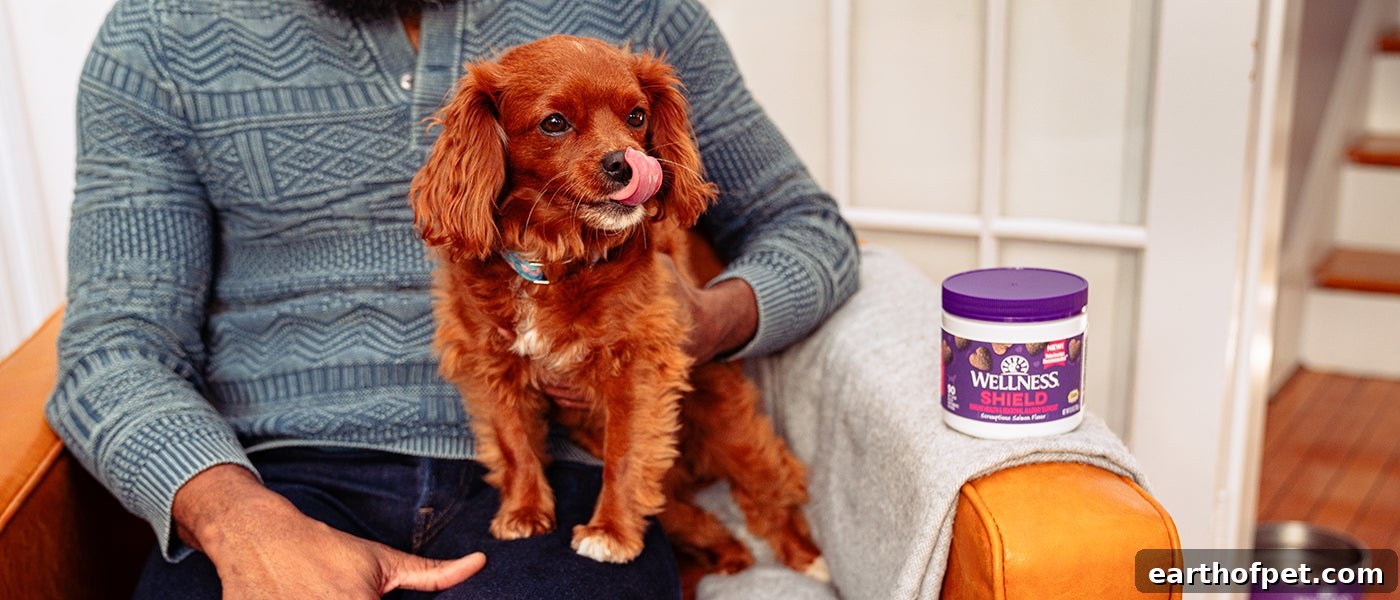
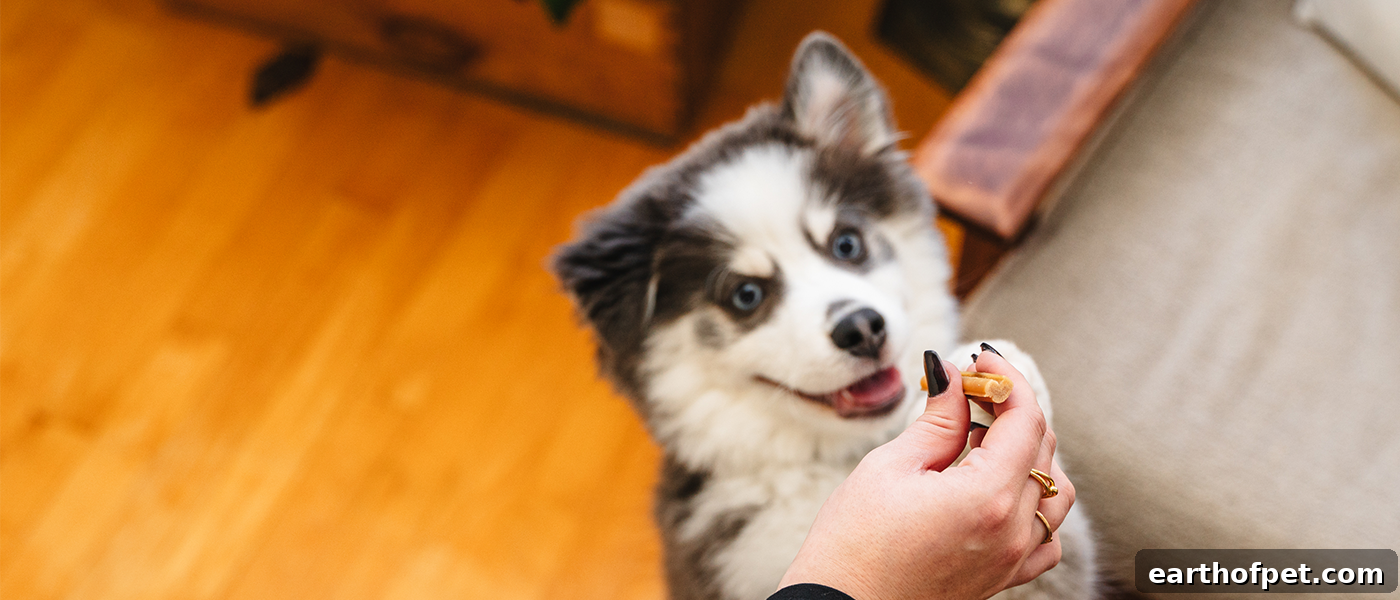
Choose treats that are specifically formulated for puppies: soft textures are easier on developing teeth and gums, and limited-ingredient options can help sensitive stomachs. Reserve treats mainly for training and positive reinforcement rather than as a significant part of the daily caloric intake. Excessive treats can lead to weight gain and nutritional imbalance, so use them sparingly and factor them into your pup’s overall daily calories.
Dental treats made for puppies can be a helpful complement to regular brushing and veterinary care. When used as intended, puppy dental chews can support oral hygiene by helping to reduce plaque buildup combined with a consistent dental routine. Always check the size and hardness of a dental treat to ensure it’s suitable for your puppy’s age and chewing strength.
When introducing new treats, do so gradually and watch for any signs of digestive upset, such as vomiting or diarrhea. If you have concerns about allergies, sensitivities, or the best training rewards for your individual puppy, ask your veterinarian for specific product recommendations.
WHEN CAN PUPPIES GO ON THEIR FIRST WALK?
Many new owners are eager to take their puppy outdoors, but safety and disease prevention are important considerations. Puppies typically begin a series of vaccinations in the first weeks of life and receive boosters every three to four weeks until the series is complete, which commonly occurs around 16 weeks of age. Until your puppy has received their full series and your veterinarian gives the go-ahead, limit exposure to high-traffic public spaces where infectious disease risk is higher.
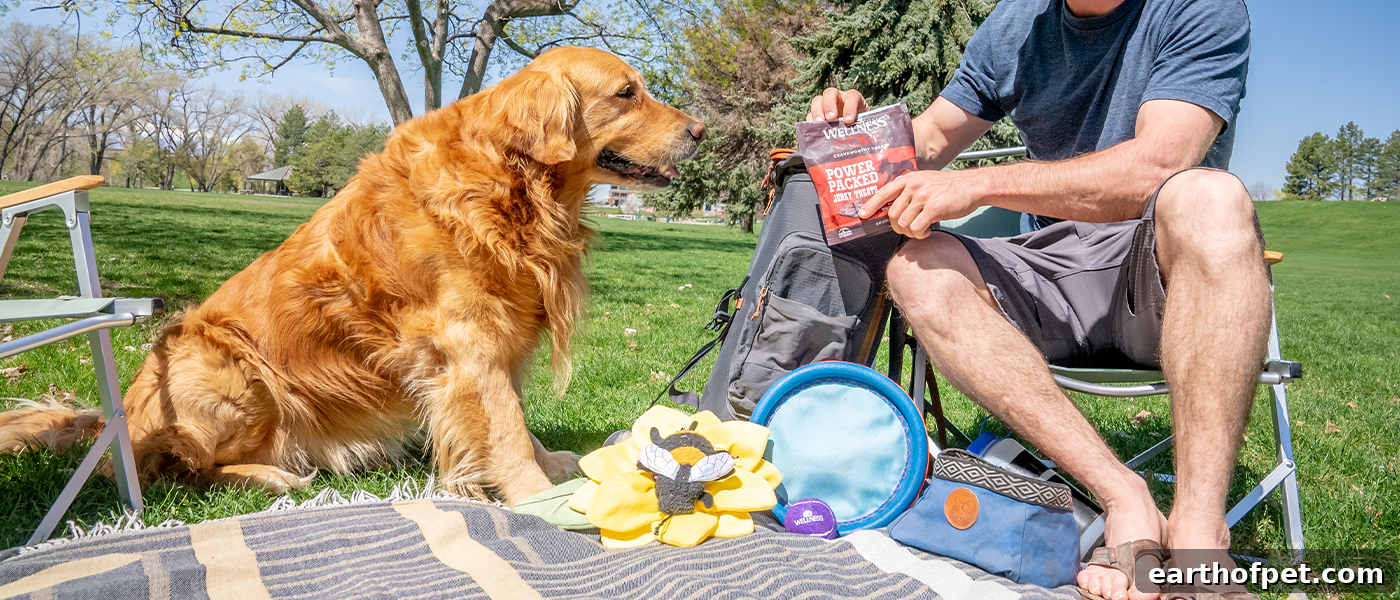
That said, early leash and harness introduction can start at home or in a secure, fenced yard well before full vaccination is complete. Practice short sessions on a lightweight leash, teach basic commands, and acclimate your puppy to the sensation of walking with you. Once your vet confirms vaccinations are complete, begin short, well-supervised walks in low-risk areas. Watch your puppy’s energy and tolerance—young pups tire quickly—so keep outings brief and gradually increase duration.
Also pay attention to weather and surface conditions. Puppies have sensitive paws; avoid extremely hot pavement or very cold surfaces, and check paws after walks for debris or irritation. Carry water for longer outings and monitor your pup for signs of overheating, exhaustion, or stress.
WHEN CAN PUPPIES HAVE A PLAY DATE?
Socialization is a crucial part of puppy development. Properly timed and supervised interactions with people, other dogs, and varied environments help puppies grow into confident, well-adjusted adults. Experts recommend focused socialization in the early months—typically between about three and four months of age—because positive experiences during this window can reduce the risk of fearful or aggressive behavior later on.
To keep play dates safe, only allow interactions with other dogs that are healthy and up-to-date on vaccinations. Use supervised, controlled environments and choose calm, tolerant playmates that match your puppy’s size and play style. Puppy classes can be an excellent option for structured socialization and basic training—but confirm the facility requires vaccination records and follows sound hygiene and safety practices.
When introducing your puppy to new people, animals, or situations, go slowly and let them approach at their own pace. Reward calm behavior with praise and small treats, and avoid overwhelming your puppy with too many new experiences at once. If your puppy shows persistent fear or aggressive responses, consult your veterinarian or a qualified behaviorist for guidance.
Final tips for overall puppy safety: puppy-proof your home by removing choking hazards, securing electrical cords and toxic plants, and keeping harmful foods and chemicals out of reach. Establish consistent training and routines, prioritize preventive veterinary care, and use positive reinforcement to build trust and good behavior. With careful attention to diet, exercise, vaccination, and socialization, you’ll set your puppy up for a long, healthy life by your side.