How to Show Your Dog Love: Practical Ways to Care for Your Best Friend
There’s nothing quite like a dog: a loyal companion, a playful presence, and often the happiest member of the household. As Will Rogers famously quipped, “If there are no dogs in Heaven, then when I die I want to go where they went.” Dogs give us unconditional love every day. Returning that love means paying attention to their physical needs, mental stimulation, and emotional well‑being. Below are thoughtful, practical ways to strengthen the bond with your dog and keep them happy and healthy.
Hanging Out with Your Buddy
Your daily routine probably pulls you away from home for stretches of time, but your dog’s world often revolves around you. Making a consistent effort to spend quality time together reinforces your bond and meets your dog’s social needs. Aim for daily interactions that include physical activity, exploration, and relaxed togetherness.
- Walks and runs: Most dogs require daily exercise to stay physically and mentally healthy. Tailor the duration and intensity to your dog’s breed, age, and health. Regular walks let your dog explore scents and sights—remember to be patient when they pause to investigate. Exercise reduces boredom, curbs unwanted behaviors, and improves overall fitness.
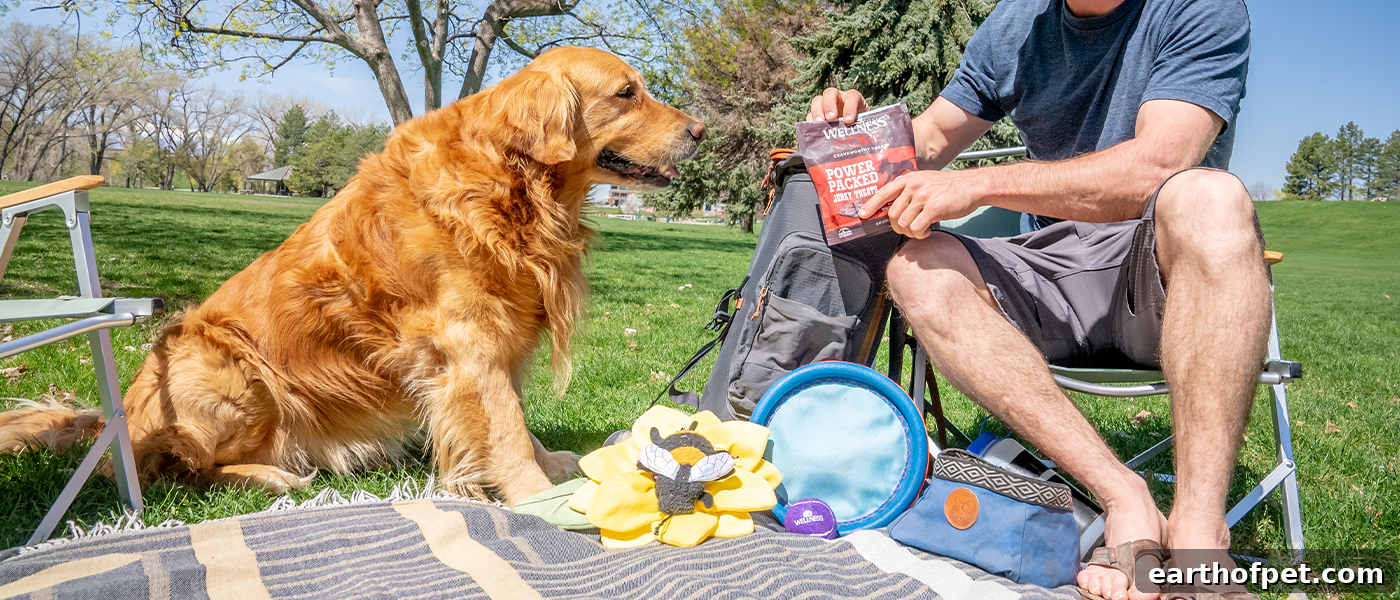
- Dog‑friendly outings: More restaurants, parks, and shops welcome well‑behaved dogs; look for local dog‑friendly options so your companion can join you safely. Check venue policies before you go and choose places that suit your dog’s temperament—some dogs prefer calm patios while others enjoy bustling outdoor events.
- Quality time at home: After a busy day, dedicate focused play or cuddle time. Toss a favorite toy, play hide‑and‑seek, or create a simple indoor treat hunt. These activities stimulate your dog’s mind and show them they’re valued even when you can’t go far.
Everyday Care: Health, Nutrition, and Grooming
Caring for a dog responsibly means attending to nutrition, hygiene, and routine medical needs. Small, consistent habits contribute to a longer, healthier life.
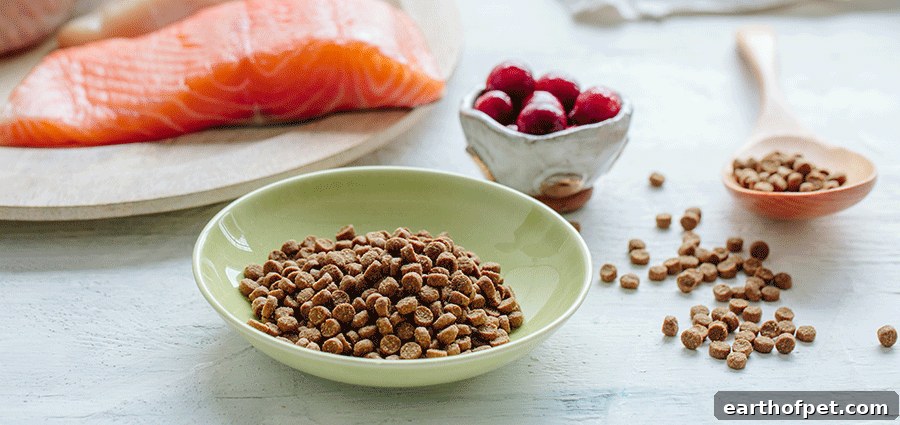
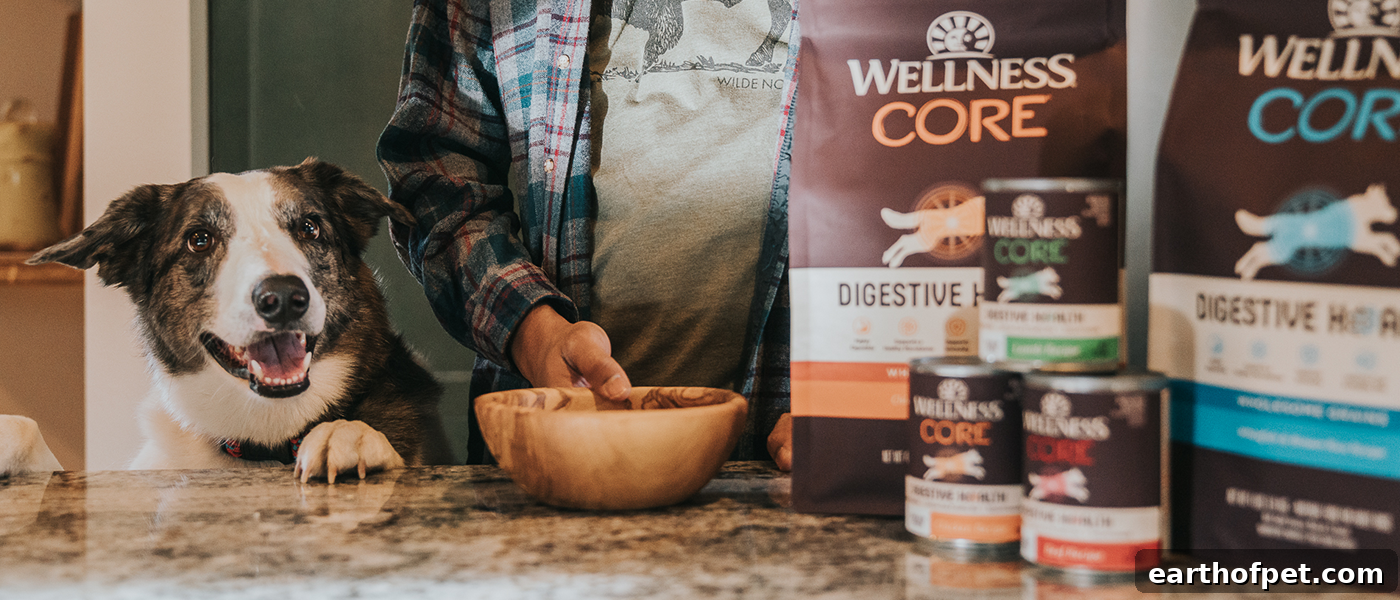
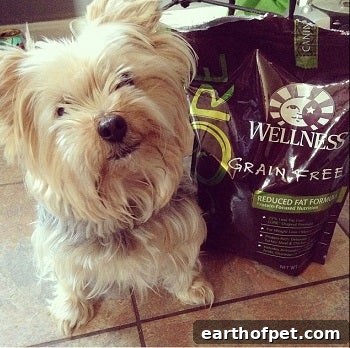
- Nutrition: A balanced diet affects longevity, energy levels, and coat condition. Choose a high‑quality dog food appropriate for your dog’s life stage and breed size. Read ingredient lists, prioritize real animal proteins and whole food ingredients, and limit fillers and artificial additives. If you’re unsure which formula fits your dog best, consult your veterinarian for personalized recommendations.
- Grooming: Regular grooming prevents matting, skin problems, and discomfort. Brush your dog’s coat according to their fur type, trim nails on a safe schedule, and clean ears as needed. Dental care is equally important: routine brushing and dental checkups reduce the risk of dental disease, which can affect overall health.
- Veterinary care: Schedule routine veterinary exams—at least once or twice a year depending on age and health—and stay current with vaccinations and parasite prevention. Prompt attention to injuries or persistent signs of illness helps catch problems early and improves outcomes.
Special Treatment: Treats, Massages, and Rewards
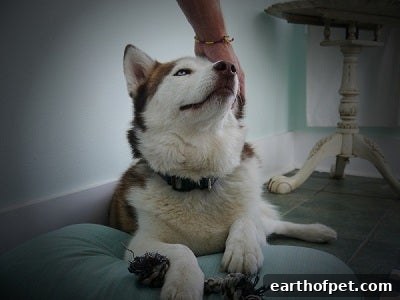
Occasional pampering reinforces positive behavior and strengthens trust. Special treats and gentle physical attention can lift a dog’s spirits and help them feel secure and loved.
- Dog massage: A gentle massage can relax an anxious dog, ease stiffness in aging joints, and promote circulation. Learn basic techniques that suit your dog’s comfort level—start slowly, watch for signs of enjoyment or discomfort, and avoid any areas that are painful. Massage can be integrated into your calm bonding time.
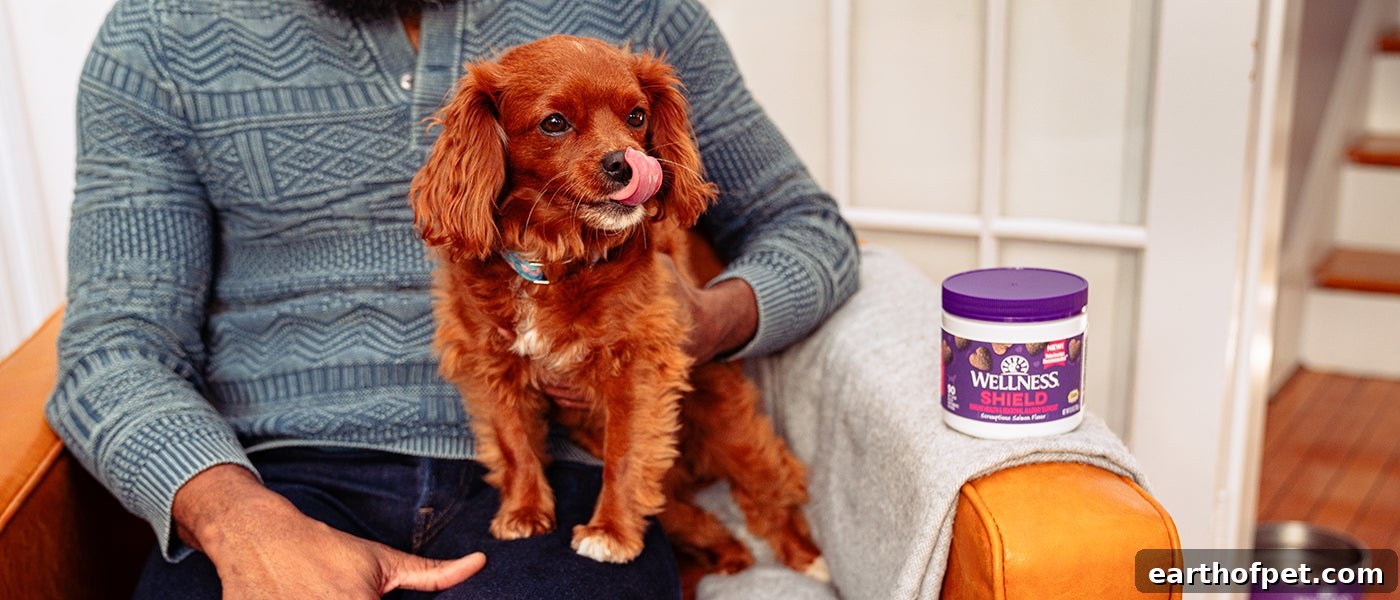
- Smart treats and moderation: Use treats to reward good behavior, training successes, or special occasions. Choose treats with wholesome ingredients and match them to your dog’s dietary needs. Reserve treats for reinforcement rather than as consolation; this keeps them meaningful and helps maintain a healthy weight.

Final Thoughts
“Dogs may not be our whole lives, but they do make our lives whole.” They give us companionship, joy, and unwavering loyalty. By carving out daily quality time, providing proper nutrition and grooming, maintaining regular veterinary care, and offering thoughtful rewards, you give your dog the best possible life. Small, consistent acts of care make a big difference—helping your dog stay happy, healthy, and cherished for years to come.