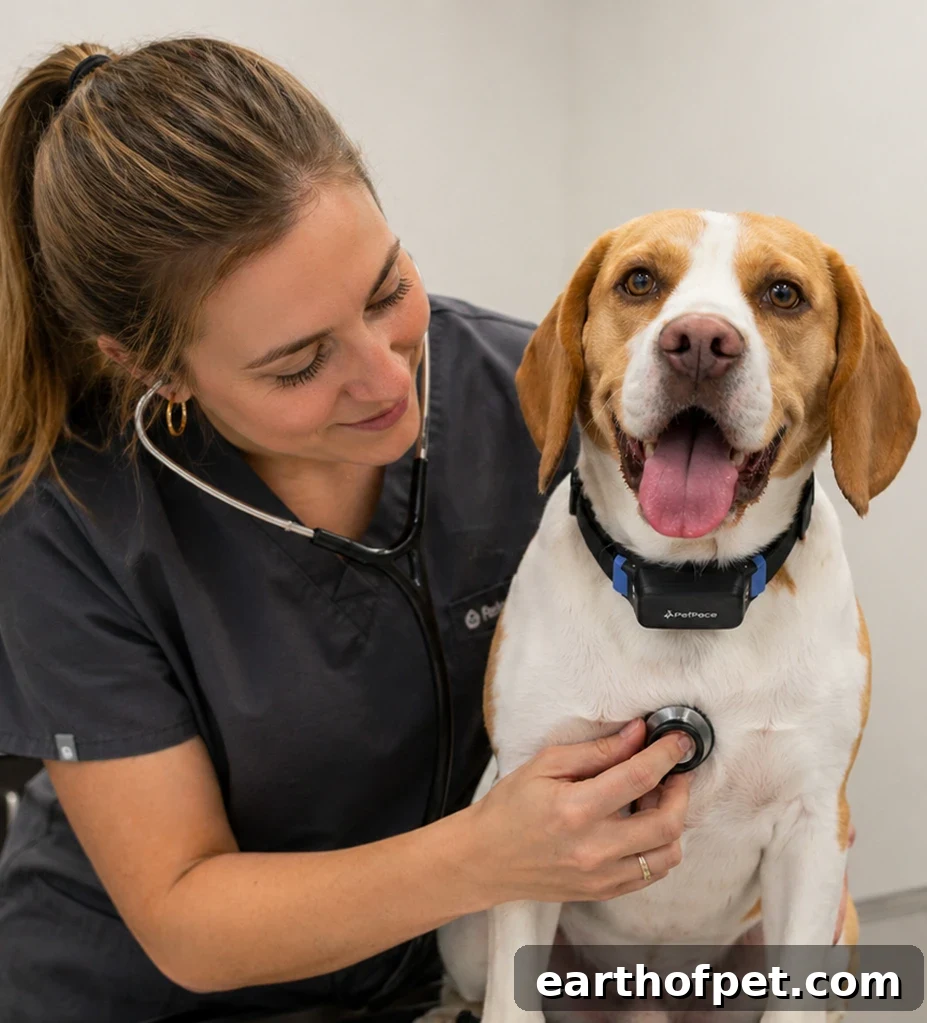
Why Is Pain So Hard to Detect in Dogs?
Dogs rarely show pain in the obvious ways humans expect. They cannot describe what hurts or point out when something feels wrong, and many will continue their normal routines while quietly adjusting their behavior. This is partly instinctual: in the wild, showing weakness can make an animal a target. Even well-cared-for pets often retain that instinct to mask discomfort.
“Dogs instinctively hide pain until diseases worsen. Timely detection is key to achieving better health outcomes.” – Dr. Asaf Dagan, DVM, DABVP, CVA, LLB, Chief Veterinarian at PetPace.
Because of this tendency, pain in dogs often appears as subtle behavioral shifts rather than dramatic symptoms. You may notice small changes at home before any clear physical signs develop.
What Are the Early Signs of Pain in Dogs?
Pain does not always reveal itself as limping, whining, or obvious distress. Many of the earliest indicators are small changes to daily habits and routines. Paying attention to these early signs can allow owners to address problems sooner.
Common early signs of discomfort include:
- Slower movement, reluctance, or hesitation during walks
- Difficulty settling into a comfortable sleeping position
- Increased restlessness or waking more frequently at night
- Changes in appetite or consistent drops in energy
- Reduced interest in play, exercise, or social interaction
- Excessive licking, chewing, or grooming focused on one area
Each of these behaviors on its own may not be alarming, but when several appear together or persist for days, they often indicate that something is affecting a dog’s comfort or health.
Why Do Small Changes Matter?
Small behavioral shifts often precede obvious physical symptoms. For example, joint or muscle pain may not cause an immediate limp, but a dog might change how it lies down, take longer to rise, or shift position frequently when resting. Internal discomfort or dental pain may affect sleep, breathing pattern, or mood before it is otherwise noticeable.
Because these changes can develop gradually, they easily blend into normal daily variation. Owners may attribute them to aging, fatigue, or a single bad day. Recognizing subtle patterns—rather than dismissing isolated incidents—helps reveal early signs of pain and gives a better chance at timely intervention.
Can Dog Pain Appear Before Obvious Symptoms?
Yes. A dog’s body often responds to discomfort internally before outward signs become obvious. Internal stress or irritation can alter sleep quality, posture, breathing, and activity levels well before more dramatic symptoms like limping or vocalization occur.
Veterinarians stress the importance of observing patterns in behavior, not just single events. A dog that seems off for several consecutive days is communicating something important about its health.
Why Patterns Over Time Matter
One unusual day does not necessarily indicate a problem; dogs, like people, can have off days. What matters is consistency. Repeated or steadily progressing changes are more likely to signal an underlying issue.
Patterns that warrant attention include:
- Gradual decrease in activity or stiffness after rest
- More frequent restlessness or disrupted sleep
- Persistent changes in posture while resting or lying down
- Ongoing reluctance to join normal routines or engage with family
Documenting these patterns—through notes, photos, or a simple log—can be very useful when discussing concerns with a veterinarian. Objective records help professionals assess whether behavior changes reflect pain or another medical or behavioral issue.
How to Monitor Your Dog Effectively
Practical monitoring techniques can improve early detection. Consider these steps:
- Observe daily routines at similar times (walks, meals, naps) to spot deviations.
- Note how your dog rises, lies down, climbs stairs, or jumps into the car.
- Watch for changes in appetite, panting, breathing, or reaction to touch.
- Use a simple journal or photos to compare behavior over days and weeks.
- Discuss subtle changes with a veterinarian sooner rather than later—early evaluation often leads to better management options.
When to Seek Veterinary Advice
If you notice persistent or multiple changes in behavior, or if subtle signs worsen or are accompanied by other symptoms (vomiting, severe lethargy, swelling, bleeding, obvious pain responses), consult your veterinarian. A professional assessment can determine if the cause is pain, disease, anxiety, or another condition, and will guide appropriate diagnostics and treatment.
Final Thought
Dogs cannot tell us when they hurt, but they do provide clues through behavior. By paying attention to subtle shifts in movement, rest, mood, and daily habits—and by tracking patterns over time—owners can detect discomfort earlier and take steps to support a dog’s health and comfort. Early awareness and timely veterinary consultation are key to improving outcomes and preserving quality of life.