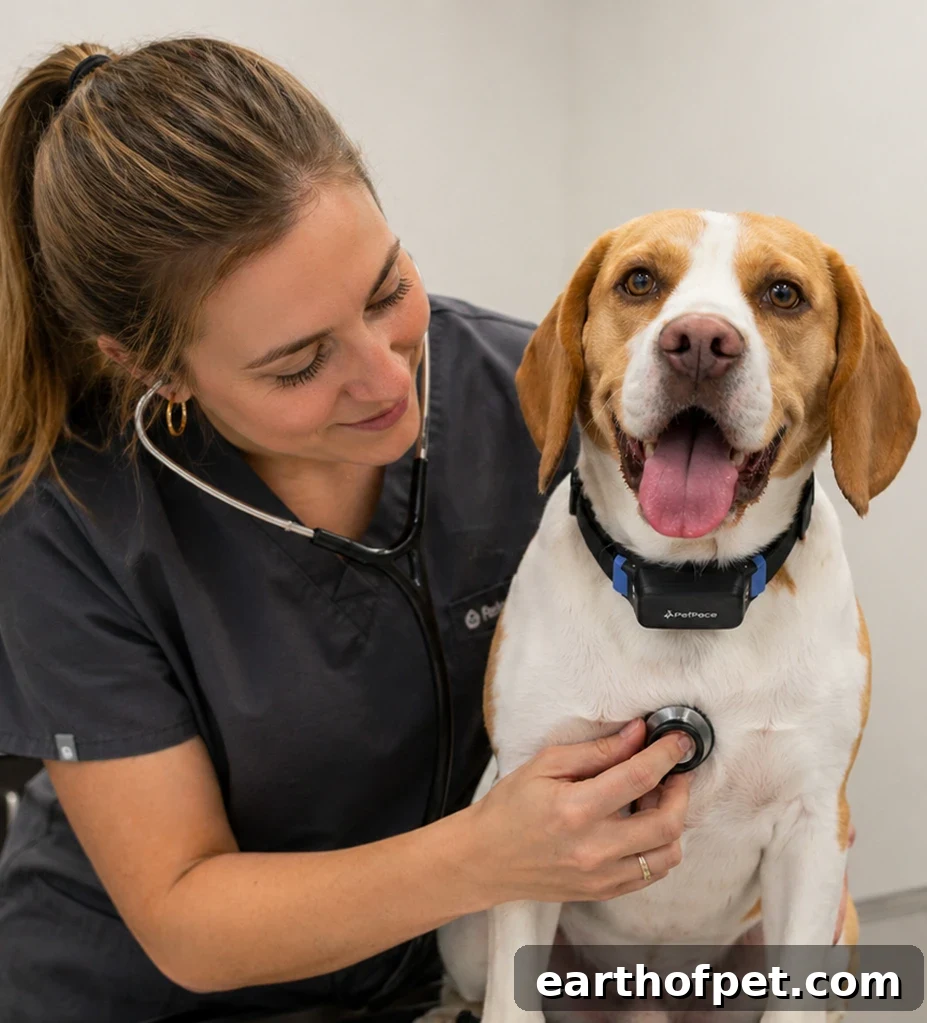
Tracking dog seizures is challenging because episodes are unpredictable and often occur when owners are away, leaving incomplete or inaccurate manual records. Veterinarians frequently lack objective data on true seizure frequency and the vital signs—such as heart rate and respiration—during events. The PetPace V3 Epilepsy Program (Beta) addresses this gap by delivering continuous, automated, clinically relevant data to support accurate diagnosis and more effective treatment decisions.
The Hidden Struggle: Why Traditional Seizure Tracking Fails
Caring for a dog with canine epilepsy means managing uncertainty. Relying on owner notes and memories creates a persistent data gap that makes it difficult for veterinarians to evaluate condition severity, tailor medications, or identify patterns that indicate worsening control.
The 3 Reasons Tracking Dog Seizures Is So Hard:
- The Event Is Missed: Seizures often occur when owners are asleep, at work, or out of the room, so many episodes go unrecorded. That leads to a consistent underestimation of true seizure frequency, which can delay necessary treatment adjustments.
- Lack of Objective Data: Veterinarians commonly must rely on subjective descriptions that can’t distinguish subtle tremors from full seizures. Objective clinical metrics—trends in heart rate, respiration, and movement patterns—are typically absent, limiting clinical decision-making.
- Invisible Physiological Changes: Significant shifts in respiration and cardiac activity can occur immediately before, during, and after a seizure. These vital sign changes are invisible to the naked eye, removing critical context needed to evaluate medication effectiveness and risk.
The Solution: How the PetPace V3 Program Monitors Epilepsy
The PetPace V3 Epilepsy Program (Beta) is designed to close the information gap by pairing a smart collar with AI-driven analysis. It continuously monitors your dog’s physiological signals and movement to convert invisible events into actionable health insights that owners and veterinarians can rely on.
Key features of the Epilepsy Program include:
- AI-Powered Seizure Detection: Advanced algorithms analyze vital signs and posture changes to detect seizure events automatically, even when the owner is not present. Detection focuses on consistent physiological and motion patterns rather than anecdotal reports.
- Critical Event Logging: Each event is logged with precise timestamps and measured duration. The system captures peri‑ictal changes in heart rate and respiration—information that helps vets determine severity and plan interventions.
- Data Integration for Vets: Raw telemetry and summarized findings are organized into clear, clinically relevant reports that can be reviewed by veterinarians. This structured data supports evidence-based adjustments to medication or care plans.
The era of relying on guesswork and incomplete diaries is ending. Continuous, automated monitoring provides a reliable record that supports both short-term decisions and long-term management strategies.

Proactive Care: The Benefits of Continuous Epilepsy Monitoring
By supplying objective, around-the-clock data, the Epilepsy Program (Beta) enables more proactive and informed care for dogs with epilepsy. Owners gain peace of mind, and veterinarians gain the actionable evidence they need to optimize treatment.
- Enhanced Veterinary Support: Replace uncertain recollections with secure, clinically meaningful data. Vets can review objective trends and event reports to make more precise, data-driven decisions about medications and follow-up care.
- Remote Peace of Mind: Continuous monitoring detects events when you are not at home and can alert you to potential issues sooner, reducing anxiety and enabling faster response when needed.
- Spotting Trends Early: Longitudinal data makes it easier to notice shifts in seizure frequency, intensity, or duration. Identifying trends earlier supports preventive adjustments to treatment before severe deterioration occurs.
- Better Individualized Care: Objective event histories help clinicians tailor treatment plans to the individual dog, balancing seizure control with quality-of-life considerations and side-effect management.
- Improved Emergency Planning: Clear documentation of seizure patterns and response windows can help veterinarians and owners plan timely interventions and emergency protocols.
Ready to stop missing critical data and transform how you manage your dog’s epilepsy?
The PetPace V3 Epilepsy Program (Beta) is more than technology—it’s a practical tool that gives pet parents and veterinary teams the reliable data they need to manage epilepsy with greater confidence.
Learn more about the Epilepsy Program by contacting your veterinary team or visiting the PetPace resources for product and program details.