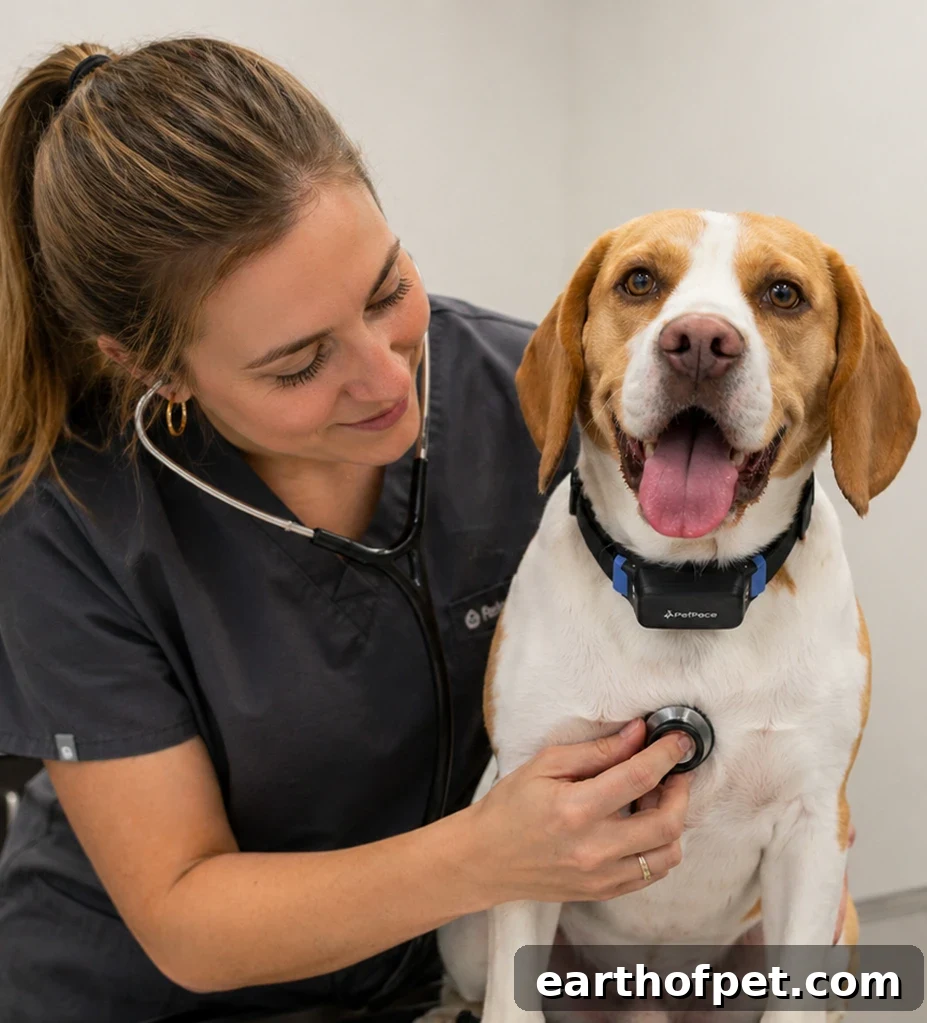
Canine health prevention focuses on keeping your dog happy, comfortable, and healthy for as many years as possible. One of the simplest and most effective steps you can take is to schedule an annual veterinary checkup. That yearly visit is a cornerstone of preventive care and plays a major role in detecting early signs of illness, confirming vaccines and parasite protection are up to date, and shaping a long-term wellness plan tailored to your dog.
Before you arrive at the clinic, gather clear, accurate information about your dog: breed, age, weight, neuter/spay status, temperament, daily activity level, typical sleep patterns, current diet and portion sizes, any medications or supplements, recent changes in behavior or appetite, and any observed symptoms such as coughing, limping, or digestive upset. These details might seem minor, but they give your veterinarian essential context for the exam and any diagnostic choices. The more precise the background you provide, the better the vet can identify subtle changes from your dog’s normal baseline.

Why this information matters — Your veterinarian uses the information you provide to develop a personalized prevention and treatment plan. That may include a recommended vaccine schedule, parasite control for heartworms, fleas and ticks, dental care guidance, nutritional recommendations, and age-appropriate exercise. Preventive strategies differ by breed and life stage: for example, a young, active large-breed dog will have different joint and nutritional needs than a senior companion. Tailored advice helps reduce the risk of common, preventable conditions and supports your dog’s overall quality of life.
Early Detection and Prevention with Annual Vet Checkups
Consistent annual checkups enable early detection of many conditions that are easier and less costly to treat when found early. Small or subtle changes in weight, coat, mobility, gum color, or behavior can be the first sign of an underlying problem. A routine exam combined with basic diagnostic tests—such as bloodwork, urinalysis, or dental assessment—can uncover conditions like metabolic imbalances, infections, dental disease, or early arthritis before they progress to more serious stages.
Think of the annual visit as an investment in long-term wellness: one short appointment each year can prevent months of discomfort for your dog and avoid complicated treatments later. For dogs with chronic conditions or breeds prone to particular health issues, more frequent monitoring may be recommended. In those cases, pet insurance or a veterinary wellness plan can help offset costs and ensure that preventive care and routine testing happen on schedule.
Wellness plans often bundle routine services—annual exams, core vaccinations, parasite prevention, and sometimes diagnostic tests—so owners can maintain consistent care without unexpected gaps. Pet insurance can provide an extra layer of financial protection for accidents or illnesses that arise despite preventive measures.
Revolutionizing Canine Health Monitoring with PetPace
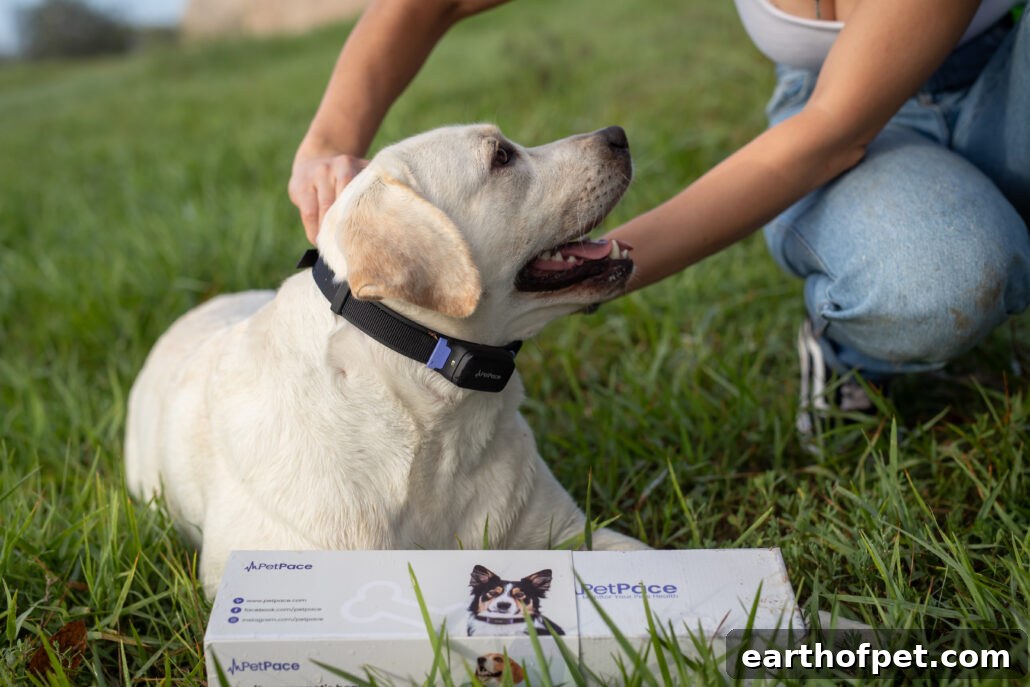
Traditional veterinary assessments depend heavily on the owner’s observations and what can be seen during a brief clinic visit. Pets often behave differently at the clinic, and a short exam can miss patterns that only appear at home. Continuous, at-home monitoring tools help bridge that gap by providing objective, ongoing data about your dog’s behavior, activity, rest, and physiological indicators.
One such solution is the PetPace smart health collar. Developed with veterinary input and enhanced by modern analytics, a smart collar can monitor daily activity, rest patterns, and changes that may signal discomfort or early illness. Continuous monitoring gives you and your veterinarian richer, longitudinal information to spot trends, respond earlier to changes, and make more informed care decisions. Used alongside annual exams and routine diagnostics, these tools strengthen preventive care by creating a clearer picture of your dog’s normal health and identifying deviations sooner.
Combining regular veterinary checkups, accurate health records, preventive medications, appropriate nutrition, and thoughtful use of continuous monitoring leads to better outcomes for dogs of all ages. By investing a little time each year and using the right tools, you help ensure your dog stays active, comfortable, and well cared for throughout life.
To explore product options from the maker of the PetPace collar, look for the PetPace Health 2.0 product information or consult with your veterinarian to determine if continuous monitoring technology is a suitable addition to your dog’s preventive care plan.