Arthritis is one of the most common health conditions affecting dogs as they age. It causes stiffness, reduced mobility, pain, and subtle behavior changes that can be difficult to recognize. Symptoms often develop slowly, so both veterinarians and pet owners need better tools to track how dogs feel day to day.
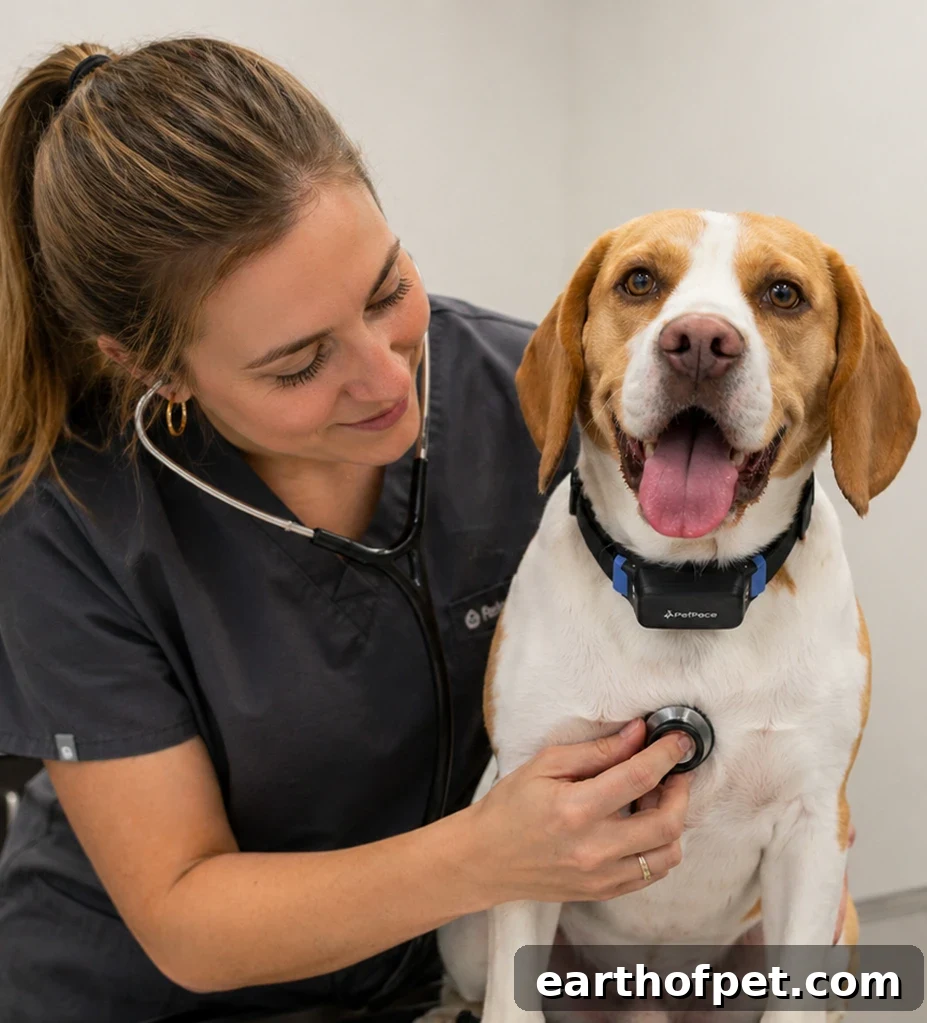
A recent clinical study examined a long-acting, slow-release CBD treatment intended to manage osteoarthritis pain in dogs. Along with standard veterinary exams, lab tests, and reports from pet owners, researchers used continuous data from PetPace smart health collars to monitor how dogs responded in their normal home environments.
The continuous data helped bridge the gaps between clinic visits and offered a clearer picture of each dog’s daily condition and activity patterns.
Study Goals
The research aimed to answer several key questions:
- Can a slow-release CBD injection reduce pain from osteoarthritis in dogs?
- How long does the treatment remain active and detectable in the body?
- Do activity, behavior, or comfort levels change after treatment?
- Can continuous wearable monitoring capture these changes more accurately than standard assessments alone?
Study Design
Eight dogs with naturally occurring osteoarthritis participated in a randomized crossover study. Each dog received two injections at different times: one with the slow-release CBD formulation and one placebo injection. This crossover approach allowed researchers to compare each dog’s response to the active treatment against its own response to placebo.
Dogs remained in their homes throughout the trial and wore PetPace smart collars continuously. The collars recorded activity, rest patterns, and physiological metrics such as pulse rate and heart rate variability, providing continuous objective data before, during, and after each treatment period.
Benefits of Continuous Monitoring
Chronic pain can be hard to capture in a brief clinic visit. Dogs often behave differently at home than in a veterinary office, and owners may notice changes that are difficult to quantify. Continuous monitoring addressed these limitations by:
- Tracking activity and rest trends around the clock
- Collecting physiological data like pulse rate and heart rate variability
- Recording changes over weeks rather than isolated clinic snapshots
- Alerting researchers to unexpected health events that might otherwise be missed
In one instance, collar data identified an abnormal heart rhythm that prompted further veterinary evaluation—an issue that may have been overlooked during routine visits.
Key Findings
Improved Comfort and Mobility
Many dogs demonstrated measurable improvement following the CBD injection. Findings included:
- Lower pain scores on veterinary assessments
- Reduced lameness scores
- Owner-reported improvements such as increased energy, easier movement, and a return to normal activities
These clinical observations matched the trends seen in the continuous collar data.
Long-Lasting Treatment Presence
Blood analysis showed that CBD remained detectable for weeks after injection, supporting the potential of slow-release formulations to provide extended relief compared with more frequently dosed options.
Safety and Tolerability
The treatment was generally well tolerated. Reported side effects were mostly mild and transient, including short-lived fever, minor swelling at the injection site, and brief appetite changes. No serious long-term safety concerns were identified during the follow-up period.
Why Combining Wearables and Clinical Care Matters
The most notable aspect of this study was not only the treatment itself but the added value of continuous monitoring. Rather than relying solely on occasional clinic exams, owner memories, or isolated tests, researchers had continuous, objective measures that revealed gradual trends and real-life responses to therapy.
Ongoing, real-world data helps clinicians and researchers understand how dogs adapt to treatments, how pain affects daily routines, and how health changes evolve over time rather than appearing suddenly. For veterinarians and pet owners managing chronic conditions like osteoarthritis, this kind of insight can improve decision-making and care planning.
Next Steps
While the study involved a small number of dogs, results are promising and suggest that larger trials are warranted. Future research combining clinical assessment, laboratory testing, owner feedback, and continuous wearable monitoring could refine treatment strategies and further validate long-acting CBD formulations for canine osteoarthritis.
As veterinary medicine advances, tools that capture everyday health data are likely to play an increasing role in both research and routine care, helping to improve quality of life for dogs living with chronic pain. Read the full study here.